
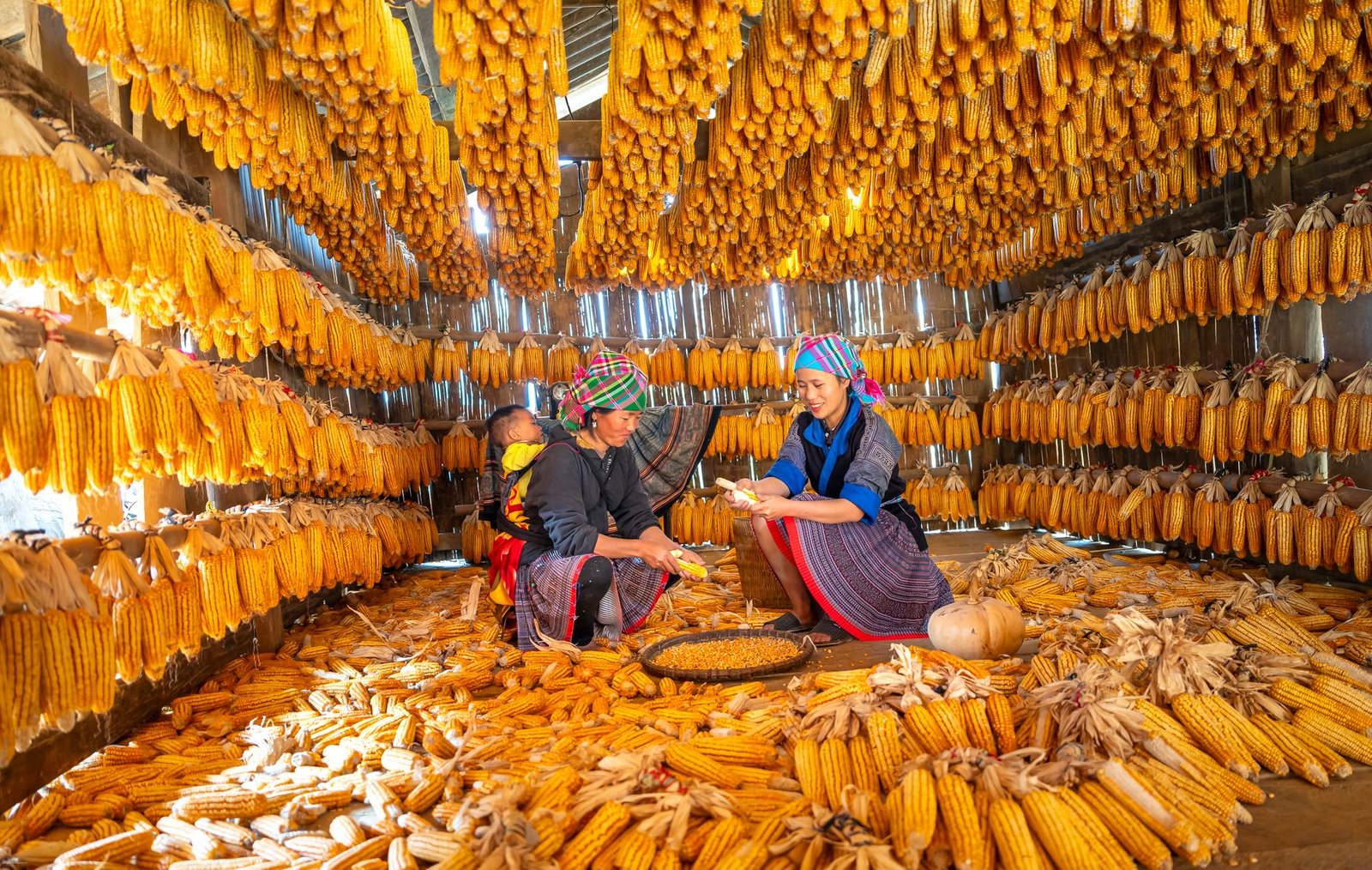
A systematic review in the journal Nature Food argues that indigenous food knowledge systems can help address overlapping nutrition and climate crises. Professor Nitya Rao of the University of East Anglia led the work. Her team examined 39 peer-reviewed studies from communities across Africa, Asia, Latin America and the Pacific, and found that traditional ecological knowledge, passed down through oral and communal practice, already delivers strong nutritional and environmental outcomes that formal public health programmes often struggle to match. These findings add academic weight to work the Food and Agriculture Organization has pursued for years through its Indigenous Peoples Unit.
The review’s central argument is that nutrition education has relied too heavily on medicalised, top-down messaging that rarely reaches the communities most at risk of poor diets. Rao and her co-authors call for a shift toward what they term food systems literacy, an approach that recognises how people already learn about food through storytelling, apprenticeship and shared labour. Public health systems need to meet communities in those existing spaces, rather than import standardised dietary advice, treating indigenous knowledge as a working system worth studying rather than a cultural relic to be documented and set aside.
Three examples anchor the review’s case. In Guatemala, national food guidelines were revised after incorporating oral knowledge held by K’iche’ Indigenous women, so that dietary advice matched what households could realistically grow and cook. In the Pacific, a health application built around Maori and Pasifika storytelling traditions used digital tools to carry those practices forward after oral transmission alone had been struggling to sustain them. Fiji offers a third case, where agroforestry systems mixing tree crops, root vegetables and shifting cultivation supported more nutritionally diverse diets than monoculture farming, while keeping the ecological diversity these communities have long managed.

The review sets these indigenous food knowledge systems against a bleak backdrop. Over 600 million people could face food insecurity by 2030, and industrial food systems are pushing up the cost of healthy diets faster than incomes rise in many low- and middle-income countries. Indigenous food systems, by contrast, tend to prioritise diversity and resilience over yield alone, a difference the authors argue agricultural policy has undervalued, built as it is around a narrow set of staple crops and export commodities.
Knowledge shaped by ecosystems
FAO’s Indigenous Peoples Unit makes a related case in its own published work on food and knowledge systems, describing indigenous communities as holding knowledge of ecosystems refined over millennia and expressed through fisheries, pastoralism, hunting, shifting cultivation and gathering, rather than a single farming model. The agency frames food production, biodiversity conservation and cultural practice as inseparable within these systems, arguing that conventional agricultural planning tends to split that interdependence into separate technical problems. The framing lines up closely with the Nature Food review’s central claim, that nutrition, ecology and culture cannot be tackled in isolation.
Turning research into practice
FAO runs a Global Hub on Indigenous Peoples’ Food Systems, a platform meant as a space where academic researchers and indigenous knowledge holders contribute on equal terms, rather than one validating the other. Its work follows the 2021 White or Wiphala Paper on indigenous food systems and is tied to broader UN commitments, including the Decade of Action on Nutrition and the Decade on Family Farming running to 2028. The Nature Food review’s emphasis on community-led, culturally grounded programming echoes that model, suggesting a growing convergence between UN policy language and peer-reviewed nutrition science.
Rao summed up the shift the review calls for, saying the shift to food systems literacy means public health must meet communities where they already learn. Applying that lesson at scale will take more than research findings. The review notes it depends on funding and policy structures that treat indigenous knowledge holders as partners in designing programmes, rather than as subjects whose practices are studied after the fact.