
Bangladesh’s food inflation rose to 7.22% in September 2026, up from 7.02% in August, according to data the Bangladesh Bureau of Statistics (BBS). Headline inflation, which combines food and non-food prices, climbed to 8.34% from 8.26% the previous month. Non-food inflation eased slightly to 9.30%, narrowing the usual gap between the two measures.
The uptick in food prices came despite a modest easing in non-food costs. That suggests September’s price pressure was concentrated in items households cannot easily defer buying. BBS does not break down the food inflation figure by individual commodity in its headline release. But market reporting from Dhaka’s wholesale markets that same week recorded sharp price rises for ginger, garlic and onion, alongside smaller increases in rice and other staples.
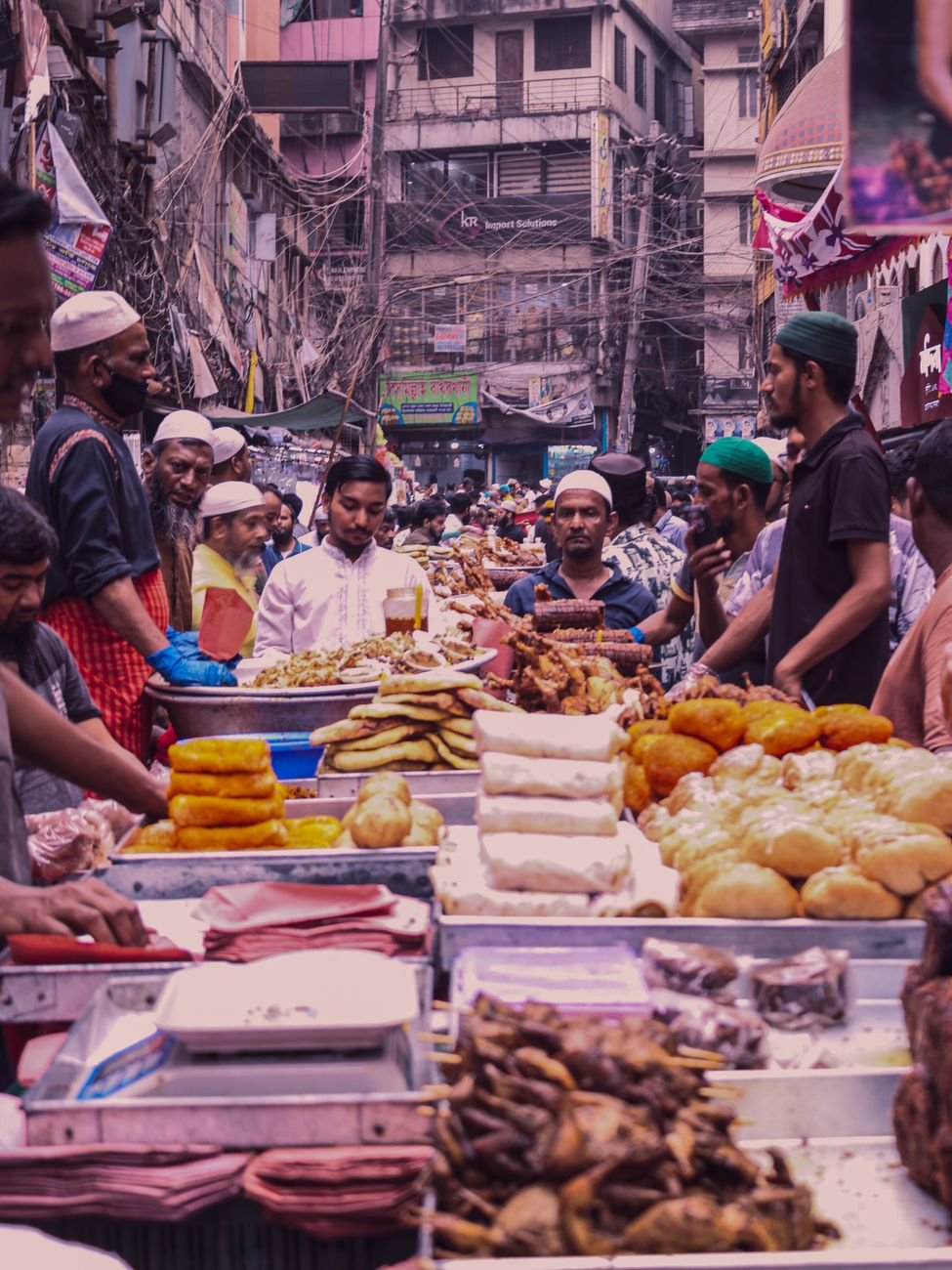
The data arrived as Bangladesh’s commerce ministry held talks with importers in Chittagong over securing stable supplies of edible oil, sugar, rice, lentils, wheat and imported dates ahead of the Ramadan season. Demand for these staples typically rises sharply in the weeks before the start of fasting.

A persistent squeeze on household budgets
September’s rise extends a pattern of high food inflation that has held above 7% for most of 2026. That squeezes households already managing a non-food inflation rate close to double digits. Economists at Dhaka-based research institutions point to currency depreciation, higher import and transport costs, and periodic supply disruptions from flooding in rice-growing districts. These have been the recurring drivers of the gap between Bangladesh’s food and non-food inflation rates over recent quarters.
Bangladesh imports a significant share of its edible oil, sugar, lentils and spices. That makes domestic food prices sensitive to global commodity markets and to the taka’s exchange rate against the US dollar. The commerce ministry’s pre-Ramadan outreach to importers reflects a recurring seasonal effort to prevent price spikes during peak demand. Past years have seen only partial success in holding prices steady through the fasting month itself.
Policy response remains narrow
The government has not announced broader fiscal measures, such as duty cuts on food staples generally, in response to the September data. Its public response so far is limited to the Ramadan-specific supply talks and a proposed duty reduction on imported dates. Bangladesh’s Trading Corporation has periodically run subsidised sales of essential goods in Dhaka during past spells of high food inflation. No announcement of a renewed programme accompanied this month’s data release.
Consumer groups in Dhaka have called for the subsidised-sales programme to resume ahead of Ramadan, rather than waiting for prices to spike further. They argue earlier intervention would cost the government less than an emergency response later. BBS is scheduled to publish October’s inflation figures in early November. Those will show whether food prices kept climbing through the start of Ramadan preparations.
Bangladesh’s import-heavy exposure contrasts with neighbouring Vietnam, where rice export earnings have fallen even as shipped volumes held broadly steady, a reminder that South and Southeast Asian food economies are often moving in different directions even within the same season.
A wider South Asian pattern
Bangladesh is not alone in facing high food inflation this year. Several South Asian economies have reported similar pressure on staple prices, driven by a mix of weaker currencies, higher global freight costs and uneven monsoon harvests across the region. Economists say the pattern makes coordinated regional responses, such as shared import planning for pulses and edible oil, harder to achieve even when neighbouring countries face comparable pressures.
For Bangladeshi households, the practical effect is straightforward: a larger share of monthly spending now goes toward food that cost noticeably less a year ago, leaving less room for other expenses even where wages have kept pace with headline inflation.