
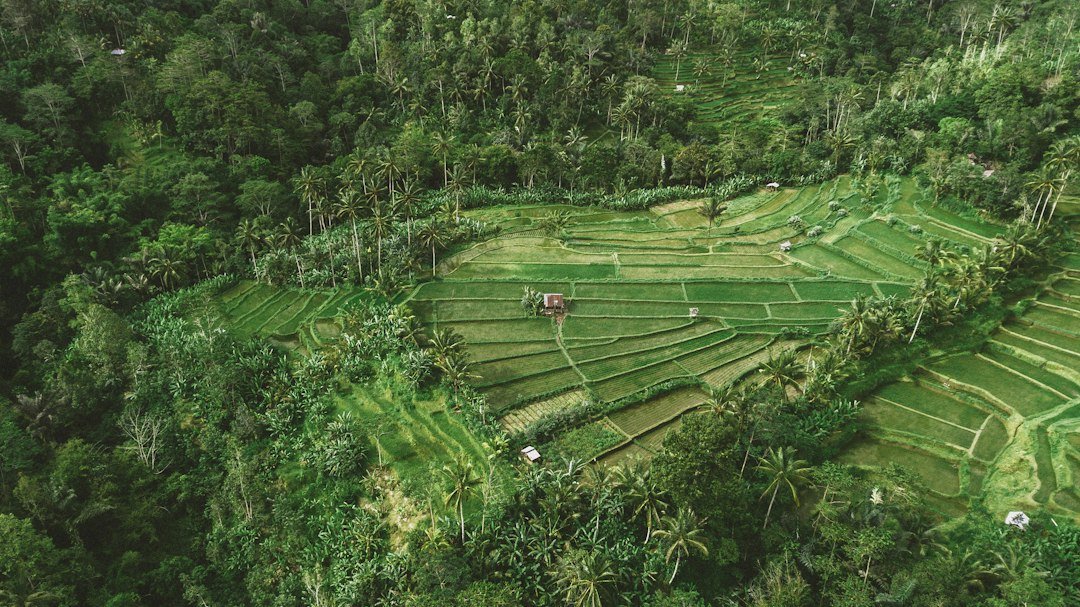
Indonesia’s government has stopped clearing forest for new rice paddies under its national food-estate programme, reversing a policy that had drawn sustained criticism from environmental groups. The decision, confirmed by officials in early October, means roughly 2 million hectares of land earmarked or already cleared for the scheme now sit in administrative limbo.
The food-estate programme was designed to cut Indonesia’s reliance on imported rice and other staples by opening new farmland in Papua, Kalimantan and other outer provinces. Greenpeace and other conservation groups argued the conversion threatened carbon-rich peat forests and the communities who depend on them, and that much of the cleared ground proved poorly suited to rice farming.
Government officials have not detailed how the roughly 2 million hectares already affected will be managed, including land where clearing began but paddies were never planted. Some projects already under way may continue, according to reporting by Mongabay, while plans for further clearing have been shelved. The reversal puts the emphasis instead on raising yields from paddies that already exist, a shift agronomists have long argued makes more sense for a country where rice yields lag behind those of Vietnam and China.

A policy built on contested ground
Indonesia’s food-estate push began in 2020 under a presidential mandate to secure staple-crop supply after pandemic-era disruptions exposed import dependence. Critics said the sites chosen, including former peatland in Central Kalimantan, had already failed as farmland once before, during a 1990s mega-rice project that left large areas degraded and prone to fire.
The latest reversal follows years of monitoring that tracked forest loss linked to the programme, alongside complaints from Indigenous communities about land taken without full consultation. Indonesia’s broader deforestation rate has fallen in recent years, part of a wider decline across tropical forests, which made continued clearing for food estates harder for officials to justify.
Agriculture officials are now expected to redirect funding towards irrigation, seed quality and extension services on established rice land, rather than new clearing. For Kerala and other Indian rice-growing regions watching Southeast Asian supply trends, the shift matters because Indonesia remains one of the world’s largest rice producers and consumers; any change to its domestic output plans affects regional trade flows, including the durian and coffee diversification under way in neighbouring Vietnam’s Dak Lak province.
Indonesia’s rice self-sufficiency target, long a point of national pride for successive governments, now rests on intensification rather than expansion. Agronomists note that the country’s average rice yields trail Vietnam’s by a meaningful margin, suggesting genuine room for improvement without clearing another hectare of forest. Closing that gap would require sustained investment in irrigation repair and farmer training, spending that competes for the same budget lines the food-estate programme had previously consumed.
What happens to land already cleared
Environmental groups have welcomed the halt but want clarity on restoration obligations for land already stripped of cover. Without active replanting, degraded peat and forest margins can turn more fire-prone in dry seasons, a risk Indonesia has struggled to manage before.
The government’s own messaging has focused on the positive framing of raising output on existing farmland rather than acknowledging the scale of the reversal. For now, projects with existing infrastructure, canals and partial planting appear likely to continue under review, while greenfield clearing for the scheme has stopped. How Indonesia manages the gap between its rice self-sufficiency ambitions and this slower, intensification-focused path will be watched closely by regional food-security planners through the rest of 2026.
Civil society groups that campaigned against the food-estate clearing say they will press for a formal restoration plan covering the degraded land, rather than allowing it to sit idle and fire-prone. Indonesia’s environment ministry has not yet published a timeline for that assessment, leaving affected communities uncertain about whether the land will return to forest, revert to smallholder use or remain in limbo indefinitely.



