
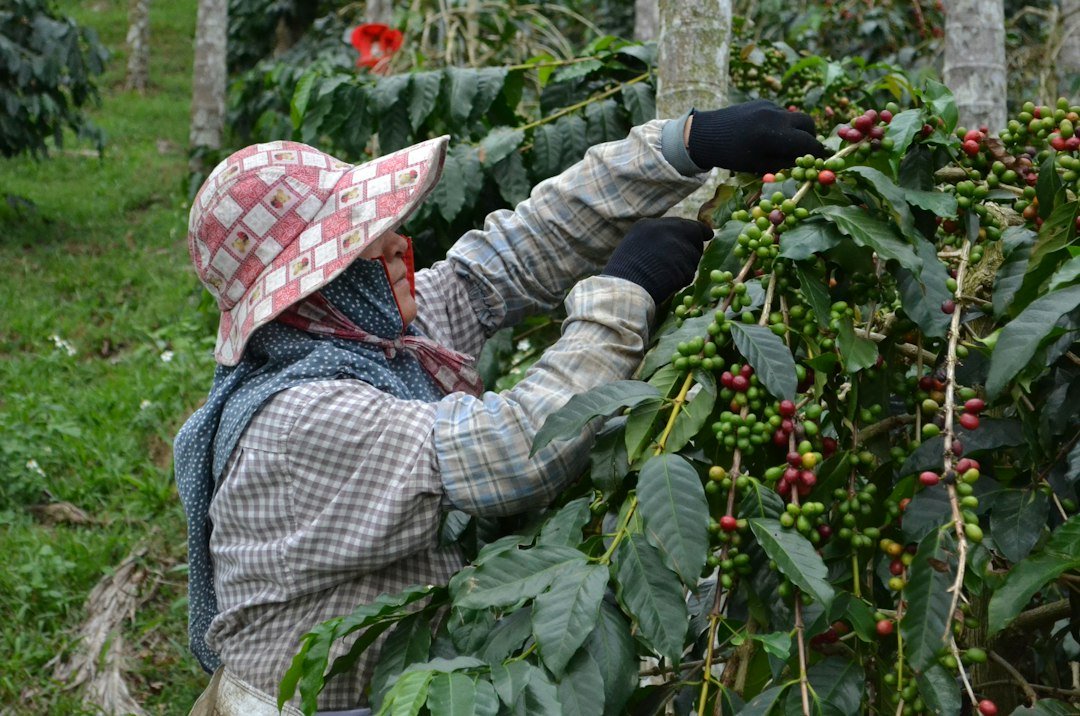
Costa Rican coffee growers have seen their income from this year’s harvest fall by around 30 percent compared with recent seasons, as an unusually strong colón erodes the dollar earnings that underpin coffee farmers’ livelihoods, according to the Costa Rican Coffee Institute, known as Icafe. The institute has tracked a steady decline in grower income through 2026 as the colón has strengthened against the US dollar, the currency in which coffee is traded internationally.
Coffee is sold on international markets in dollars, so when a producing country’s currency strengthens, farmers receive fewer colones for each dollar earned from export sales, even if the dollar price of coffee itself holds steady. Icafe has said the unusually strong colón, driven by factors including a current account surplus and foreign investment inflows unrelated to the coffee sector, has left growers earning markedly less in local currency terms than the volume and quality of their harvest would normally generate.
Producers warn of job losses
Icafe officials have warned since earlier in the year that the currency pressure risks forcing job cuts among coffee processing and harvesting workers, many of whom are seasonal labourers from Nicaragua and Panama who travel to Costa Rica specifically for the coffee harvest. Producers have raised the alarm repeatedly through 2026, with warnings escalating from concerns about reduced profit margins in February and March to direct reports of double-digit income cuts by October, as successive harvests failed to bring the relief growers had hoped for.

Costa Rica’s coffee sector is smaller by volume than regional producers such as Brazil and Colombia, but the country has built an international reputation for high-quality, often specialty-grade arabica beans that command premium prices, making the crop economically significant for the rural communities, particularly in the Central Valley and Tarrazú regions, where it is concentrated. That premium positioning has offered some insulation against swings in benchmark commodity prices, but it does not protect growers from currency movements that affect the whole sector equally, regardless of how well a given farm’s beans are regarded by international buyers.
A currency problem, not a harvest problem
The exchange rate pressure has coincided with a broader test for Central American agriculture this year, as an intensifying El Niño weather pattern has cut yields and incomes for farmers well beyond Costa Rica’s coffee belt. Dry corridor countries further north, including Guatemala and Honduras, have reported far more severe impacts, with aid agencies warning that a majority of farming families there can no longer meet basic food needs, even as Costa Rica’s problem stems from currency strength rather than crop failure.
Costa Rica’s government has not announced currency intervention specifically targeted at supporting coffee exporters, and Icafe’s public statements have focused on urging growers to diversify into higher-value processing and direct export relationships that can command better prices regardless of the exchange rate. Some larger cooperatives have moved toward direct-trade arrangements with overseas roasters, which can offer more predictable dollar pricing than selling through intermediaries exposed to currency swings, though smaller independent growers often lack the scale or certification history to strike such deals themselves.
The colón’s strength reflects wider dynamics in Costa Rica’s economy, including tourism revenue and foreign direct investment inflows into sectors such as medical devices and technology services, which have little direct connection to the coffee sector but nonetheless shape the exchange rate coffee farmers depend on for their income.
Icafe has tracked the decline through a series of reports issued roughly every six to eight weeks since February, each showing the colón holding its strength rather than easing as some producers had hoped heading into the main harvest. That persistence has made 2026 one of the more difficult seasons in recent memory for Costa Rican growers, even though the underlying coffee harvest itself has been broadly normal in volume and quality, a distinction producers say is often lost in public discussion of the sector’s troubles.



