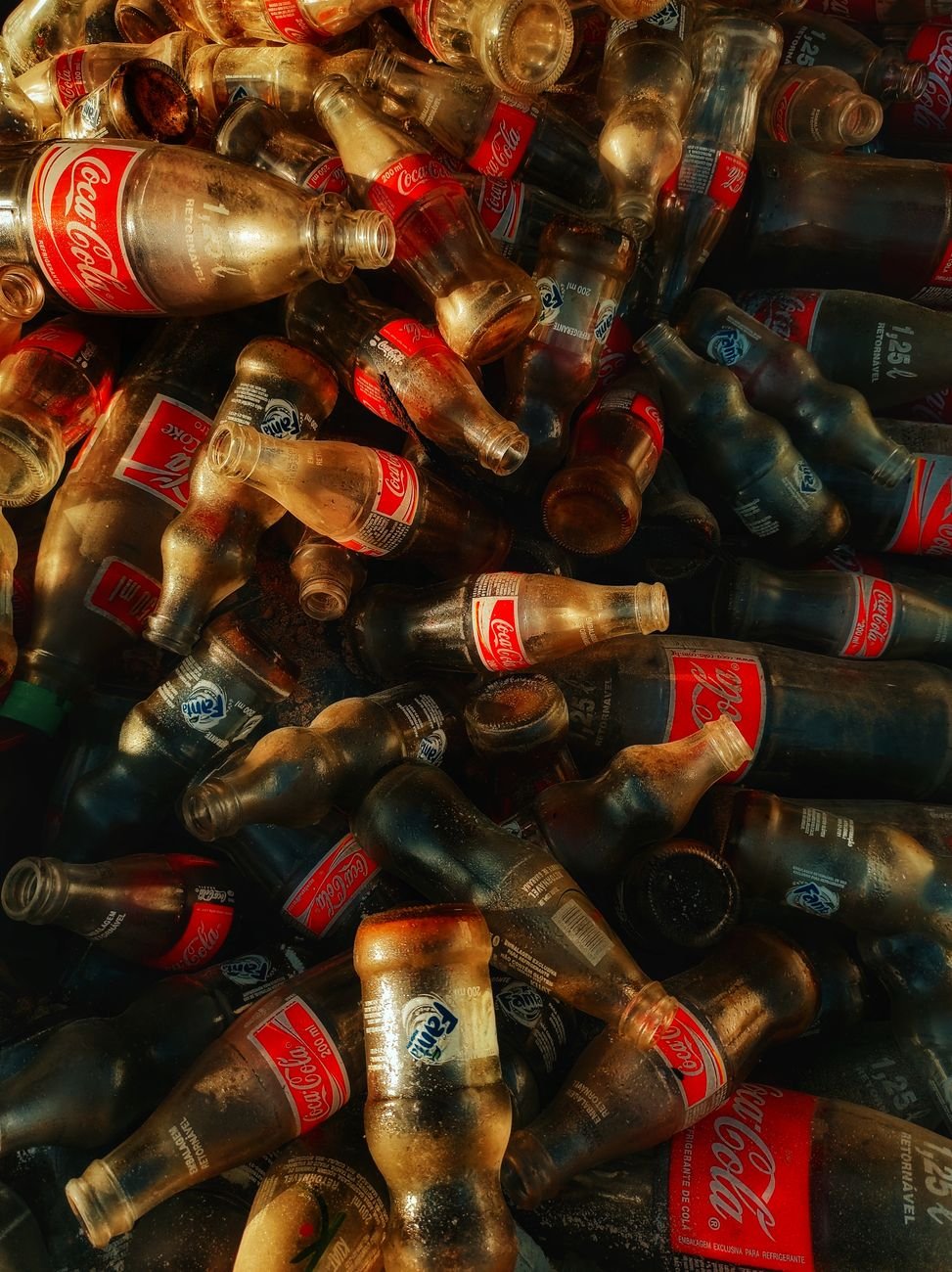
India's Food Safety and Standards Authority has raided a warehouse where expiry dates and nutritional information had been falsified on products from PepsiCo, Nestle, Coca-Cola and Unilever. The raid is one part of a wider crackdown. It has also reached Domino's, Pizza Hut and McDonald's outlets, alongside upscale restaurants across several states. Regulators are intensifying enforcement against India's roughly $100 billion packaged food industry, a sector that has grown quickly as incomes and urbanisation rise.
Maharashtra's Food Commissioner, Tukaram Mundhe, has become the public face of the campaign, leading high-profile raids on major restaurant chains and food warehouses. In one Uttar Pradesh operation, inspectors seized 1,300 kilograms of adulterated paneer, the fresh cheese that features in everyday meals across much of the country. The scale of enforcement has grown sharply this year, food industry lawyers say, compared with the more routine inspection regime that preceded it.
The numbers behind the crackdown are striking. Since 2020, food inspectors have tested more than 100,000 samples annually across India. Roughly one in five has been found unsafe, substandard or improperly labelled. Regulators have cancelled nearly 8,000 food business licenses over the past three years. India's population of 1.4 billion consumes an estimated 1.5 trillion meals a year. Even a small percentage of unsafe food, at that scale, translates into a very large number of affected meals across the country each day.

Testing data shows a persistent problem
Enforcement raids are only one part of the current push. A separate and more contested proposal would require red hexagonal warning stamps on packaged foods high in two or more of three nutrients: saturated fat, sugar or salt. India's Supreme Court has scheduled a review of the labelling proposal, with hearings beginning on 10 September. The review follows years of delay in finalising front-of-pack labelling rules, first proposed by the food safety authority some years earlier and repeatedly revised since.
Industry warns of over-broad warnings
Packaged food executives argue the proposed thresholds are too strict to be useful to consumers. One industry chief executive, speaking about the draft rules, said bluntly that under the proposed limits, "everything will be red." The warning, the executive argued, risks losing its meaning if it ends up on the majority of the shelf rather than on a targeted subset of genuinely unhealthy products.
Public health advocates take the opposite view. They say watered-down thresholds are the main reason India's front-of-pack labelling policy has taken years longer to finalise than comparable rules. Chile, Mexico and several other countries have already put similar warning labels into force, in some cases years ago, with measurable shifts in purchasing patterns that Indian advocates want to see replicated.
The crackdown and the labelling fight are, in practice, two fronts in the same underlying debate. Both turn on how much oversight India's fast-growing packaged food sector should face as consumption rises across income levels. Multinational food companies operating in India say they support stronger enforcement against genuinely unsafe products, while pushing back on labelling rules they argue conflate ordinary processed foods with harmful ones.
For now, both tracks are moving forward at once. Raids continue at the state level even as the Supreme Court works through the warning-label case at the national level. A ruling is not expected immediately, legal observers following the case say, given the scale of industry submissions the court is still reviewing before it can issue a decision on the label thresholds. The scrutiny arrives during a month when India’s harvest calendar is drawing its own attention, with Odisha’s Nuakhai festival renewing rural food traditions.