
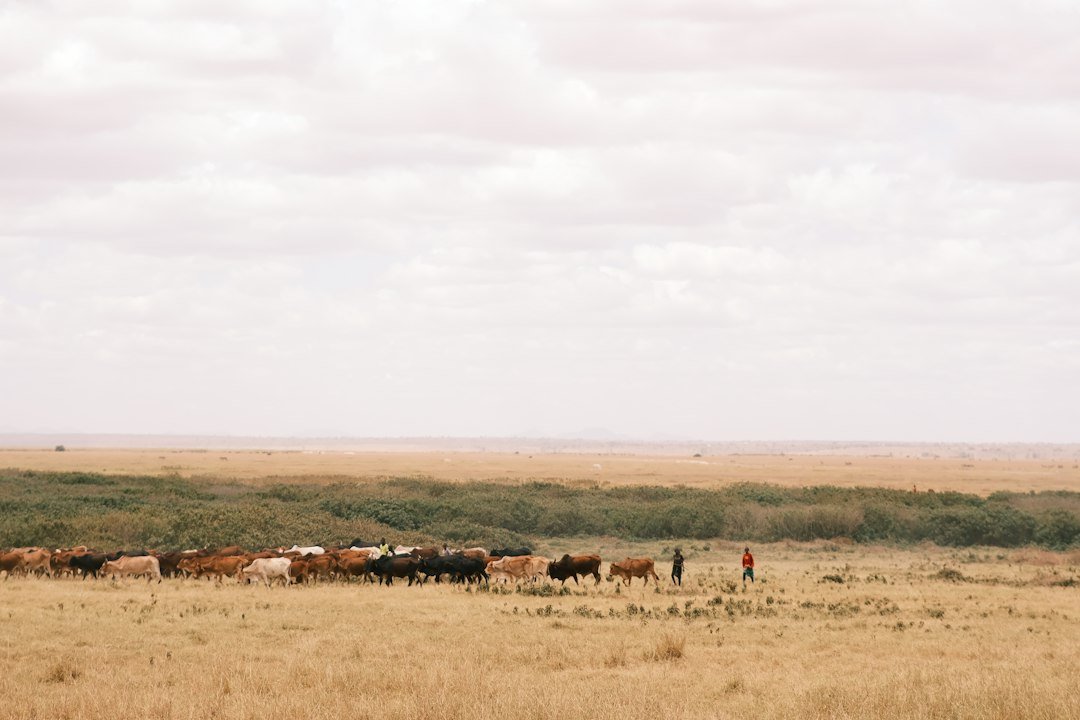
Namibia is battling an outbreak of foot-and-mouth disease that has spread to two separate regions, prompting the European Union to suspend imports of fresh meat from the country’s main export zone. The outbreak was first confirmed on a commercial farm in the Karasburg State Veterinary District, in the southern Kharas Region, on 23 September.
By 5 October, President Netumbo Nandi-Ndaitwah reported 127 positive cases across 15 farms, after veterinary teams inspected nearly 29,300 animals on 68 properties. A week later, confirmed infections had been found on 17 farms, with inspectors still working through dozens more. On 7 October, authorities confirmed a separate outbreak in cattle on Kalala Island in the northern Zambezi Region, though officials have not established a direct link between the two outbreaks.
The European Union responded on 5 October by suspending entry of fresh meat from cattle, sheep and goats, along with other farmed and wild hoofed-animal products, from Namibia’s NA-1 export zone. The measure also covers processed products such as biltong and jerky, though it falls short of a blanket ban: treated processed goods remain eligible, and fresh-meat consignments certified before 23 September can still enter during a 90-day transition period.

Zambezi region faces tight new restrictions
Authorities imposed strict new controls in Zambezi on 10 October, suspending movement of cloven-hoofed animals and raw animal products, cancelling existing movement permits, and halting auctions, informal markets and public gatherings involving livestock. Slaughter has stopped at local abattoirs, though export abattoirs may continue operating for cattle that meet quarantine and traceability requirements.
Namibia has started emergency vaccination in the affected areas, backed by roadblocks and intensified surveillance, and has notified the World Organisation for Animal Health of the outbreak. Officials are now tracing livestock movements that occurred before the infections were detected, while construction began this month on a veterinary cordon fence along the Orange River in Kharas, strengthening the border with South Africa.
Export halt already hitting producers and workers
The Meat Corporation of Namibia placed about 400 production workers on three weeks of paid special leave, a decision due for review on 23 October. The company had paid farmers N$31 million, about US$1.8 million or roughly £1.35 million, for cattle delivered to its Windhoek abattoir between 29 August and 11 September, before the export restrictions took hold.
Vendors report store closures, higher meat prices and falling earnings, with some premium beef products running short on shelves. Marianne Pretorius of the Namibia Agricultural Union said “the outbreak has been a heavy blow to our country,” adding that when export markets close, every livestock producer feels it. Aranos farmer Gert Engelbrecht said simply: “We need to regain our disease-free status.”



