
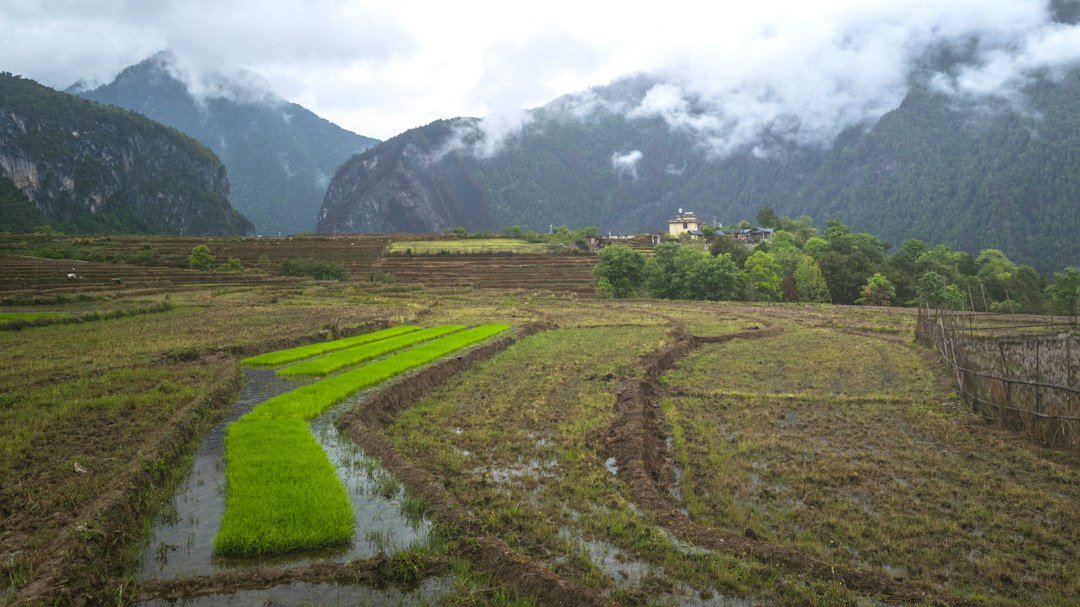
Cheruvayal Raman, the Wayanad farmer Kerala knew as “Nellachan,” father of paddy, died on 14 October at Kozhikode Government Medical College Hospital, aged 74. He left behind more than 45 traditional rice varieties growing on his three-acre farm in Kammana, conserved over six decades of quiet, unpaid work that outlasted every government seed-bank scheme built around him.
Raman belonged to the Kurichiya tribal community. He began farming at age 10, left formal schooling after Class 5, and in 1969 turned down a government warden’s job to keep growing rice on the 40 acres he inherited from his maternal uncle. That choice, made when he was barely out of his teens, shaped the rest of his life.
Forty-five varieties, one farmer
Among the varieties Raman kept alive were the aromatic Gandhakashala and the red-grained Thondi, both increasingly rare as Kerala’s farmers shifted toward high-yield hybrid paddy over recent decades. He gave seeds away free to any farmer who asked, and opened his land to students, researchers and visiting farmers who wanted to learn methods that predated chemical fertiliser by generations.
In 2011, Raman represented Kerala’s farming community at an international biodiversity conservation conference in Hyderabad, alongside delegates from 11 countries, a rare moment of formal recognition for work he had been doing without any institutional support for forty years by then. Recognition eventually followed at home too: a National Plant Genome Saviour Award in 2016, the Padma Shri in 2023, and the first Oommen Chandy memorial award in 2025, named for the late Kerala chief minister.
A farewell with full state honours
Raman was laid to rest on 15 October at the Cheruvayal Kurichiya community crematorium in Kalpetta, with full state honours. Kerala minister T. Siddique represented the state government at the funeral, which drew hundreds of mourners including CPM state secretary M.V. Govindan and former minister A.K. Saseendran. Indian politician Priyanka Gandhi posted a tribute afterward calling him “My Malayali Acchan,” my Malayali father.
Raman lived until the end in a 150-year-old traditional mud house on his farm, the same land where he had spent his entire working life. His death leaves an open question that Kerala’s agriculture department has not yet answered publicly: who now maintains the genetic diversity of varieties that exist, in some cases, nowhere else but his three acres.
Seed conservation of this kind rarely survives the death of the person doing it, unless deliberate institutional effort follows quickly. Community seed banks elsewhere in India, including several catalogued on the national Community Seed Bank Atlas, offer one model for keeping Raman’s varieties in circulation. Whether Wayanad builds on his work now, or lets it quietly disperse among the farmers he once gave seeds to for free, will say as much about Kerala’s seed-conservation policy as any report could.



