
By Apurv Waghmare
The Indian agricultural sector, often regarded as the backbone of the nation, is staring at an impending crisis that could have a profound impact on millions of Indian farmers and the broader national economy.
Agriculture in India employs more than 50% of the population and contributes significantly to the GDP. The upcoming agricultural crisis is a complex convergence of climatic, economic, environmental, social, and policy-related factors, each compounding the vulnerabilities that Indian farmers already face.
The changing climate pattern is perhaps the most alarming and immediate threat. Unpredictable monsoons, increasing frequency of droughts, unseasonal rains, and floods are becoming more commonplace. The Indian monsoon, which was once predictable, has now become erratic, directly impacting sowing patterns, crop yields, and farming schedules.

Compounding the climate issue is the degradation of natural resources. Indian soil quality is deteriorating due to the overuse of chemical fertilizers and pesticides. Water scarcity is another ticking time bomb. Groundwater levels are falling at an alarming rate across the nation, particularly in states like Punjab, Haryana, and Maharashtra, where water-intensive crops like paddy and sugarcane dominate.
Structural economic challenges
Most farmers in India operate on small landholdings of less than two hectares. These marginal and small farmers often lack access to institutional credit, reliable markets, modern machinery, and storage facilities. As a result, they rely heavily on informal moneylenders, often falling into debt traps that lead to cycles of poverty and, tragically, suicides.
The price realization for farm produce is another chronic issue. Despite government announcements of Minimum Support Prices (MSPs) for various crops, the actual procurement is often limited, leaving farmers to sell their produce at prices far below the MSP.
Input costs have surged in recent years. Prices of fertilizers, seeds, diesel, and electricity have risen steadily, further squeezing the profit margins of farmers.

Wider economic impact
Food inflation, resulting from supply shocks due to agricultural distress, impacts the entire economy and disproportionately affects the poor. A failure in agriculture can quickly translate into a broader economic slowdown, as rural consumption, which is largely driven by agricultural income, accounts for a substantial share of domestic demand. The slowdown in agriculture affects allied industries like food processing, fertilizer manufacturing, agricultural equipment production, and rural banking.
Moreover, agrarian distress has significant social consequences. It leads to increased rural-urban migration, overburdening urban infrastructure and creating slums. The upcoming agriculture crisis is not just an agrarian issue; it is a national crisis with multi-dimensional impacts. From food security to national income, from employment to environment, from social stability to political dynamics, every facet of the Indian system is intertwined with the fate of agriculture.
The psychological and social dimension
The psychological impact of the agricultural crisis is often overlooked in policy discussions but it is one of the most severe consequences faced by Indian farmers. The constant uncertainty, financial stress, social isolation, and lack of institutional support contribute significantly to mental health problems among farmers. Reports of farmer suicides have become distressingly common, and behind each such case lies a story of desperation, loss of hope, and systemic failure.
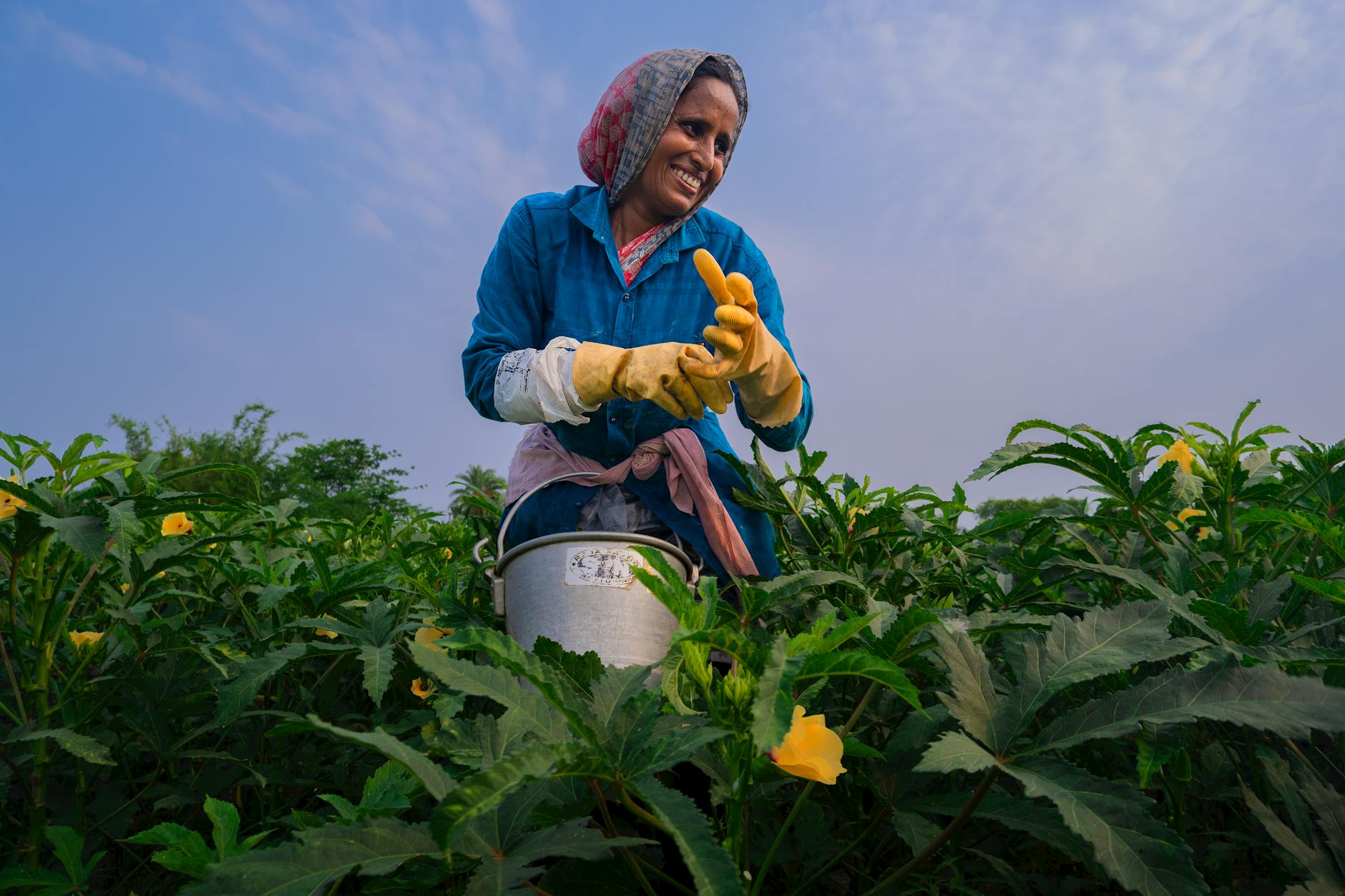
Moreover, the intersection of caste, class, and gender in the rural agricultural economy creates layers of disadvantage. Women, who contribute significantly to farm labor, are often not recognized as farmers because land titles are rarely in their names, preventing them from accessing schemes, loans, and insurance.

Solutions and the path forward
To prevent the Indian agricultural sector from slipping further into crisis, improving access to credit is critical. Strengthening rural financial institutions, simplifying loan processes, and enhancing the reach of microfinance can make credit more accessible and fair.
Irrigation reform is crucial. Despite India having one of the largest irrigation networks in the world, a vast portion of its agriculture remains rain-fed. The focus should shift from increasing irrigation coverage to improving irrigation efficiency. Drip and sprinkler irrigation, if widely adopted, can help conserve water and improve yields.
Digital agriculture holds transformative potential, yet its impact remains largely untapped in India. Mobile technology, satellite data, AI, and blockchain can be leveraged to provide weather forecasts, market prices, crop advisory, soil testing, and traceability of produce.
Strengthening institutional support
Farmers need to be organized and empowered to assert their rights and negotiate better. Farmer Producer Organizations (FPOs) are critical in this regard. By aggregating farmers, especially smallholders, into collectives, FPOs can facilitate better bargaining power, access to inputs, credit, storage, and market linkages.
Political will and cooperative federalism are crucial to executing these reforms. Agriculture is a state subject, and hence coordination between central and state governments is vital. The controversial farm laws introduced in 2020, followed by their repeal in 2021, highlighted the policy paralysis and lack of consensus on structural reforms. This episode underscores the importance of participatory policymaking where farmers are treated as equal stakeholders.
Reform of subsidy structures is equally important. Currently, massive amounts are spent on fertilizer subsidies, electricity for irrigation, and loan waivers—measures that often do not improve long-term outcomes. A gradual shift from input-based subsidies to income support and productivity-enhancing investments will deliver better value for public money.
Schemes like PM-KISAN that provide direct income support are helpful but need better targeting and transparency. Universal health coverage, old-age pensions, and accident insurance should be extended to farmers and farm laborers, who remain some of the most vulnerable sections of society.
Trade and market integration
International trade policy affects Indian agriculture significantly. Export restrictions, frequent changes in tariffs, and cumbersome compliance norms have limited India’s share in global agri-trade. With rising global demand for organic, processed, and traceable food products, India has an opportunity to position its farmers as global suppliers.
Market reform must focus on enabling real-time, transparent, and fair price discovery. Digital mandis, e-NAM, and farmer-owned marketplaces can help cut out middlemen, but their reach and adoption need to be expanded.
National implications and urgency
The upcoming agricultural crisis in India is deeply intertwined with national security, social stability, and economic growth. A nation where a majority of the population is engaged in agriculture cannot afford to treat the sector as a liability. The decline in agriculture will not only result in food shortages but also in mass unemployment, rising rural-urban migration, increased social unrest, and political polarization.
With India’s population projected to stabilize at over 1.6 billion, food security cannot be taken for granted. Importing food will not only be economically burdensome but geopolitically risky, especially in times of global crises. A weak agricultural sector will also hamper India’s ambition of becoming a $5 trillion economy, as rural distress will drag down growth and widen inequality.
The youth of rural India are increasingly alienated from farming, seeing it as a trap rather than an opportunity. Unless farming is made aspirational again through education, innovation, dignified incomes, and recognition, the future of Indian agriculture will become increasingly bleak.
Conclusion
The upcoming crisis in Indian agriculture is both a challenge and an opportunity. It exposes the fragility of our current systems but also opens the door for a transformation that is inclusive, sustainable, and economically vibrant.
Indian agriculture, if revitalized with intelligence, compassion, and courage, can become a model for the world—a model where small farmers thrive, the environment is respected, food is secure, and rural India becomes a source of pride and prosperity.
The time to act is now, before the crisis becomes irreversible, and the damage beyond repair. A resilient, equitable, and thriving agricultural sector is not just essential for farmers, but for the very future of India as a nation.

Apurv Waghmare is a data analyst. Connect with him here