
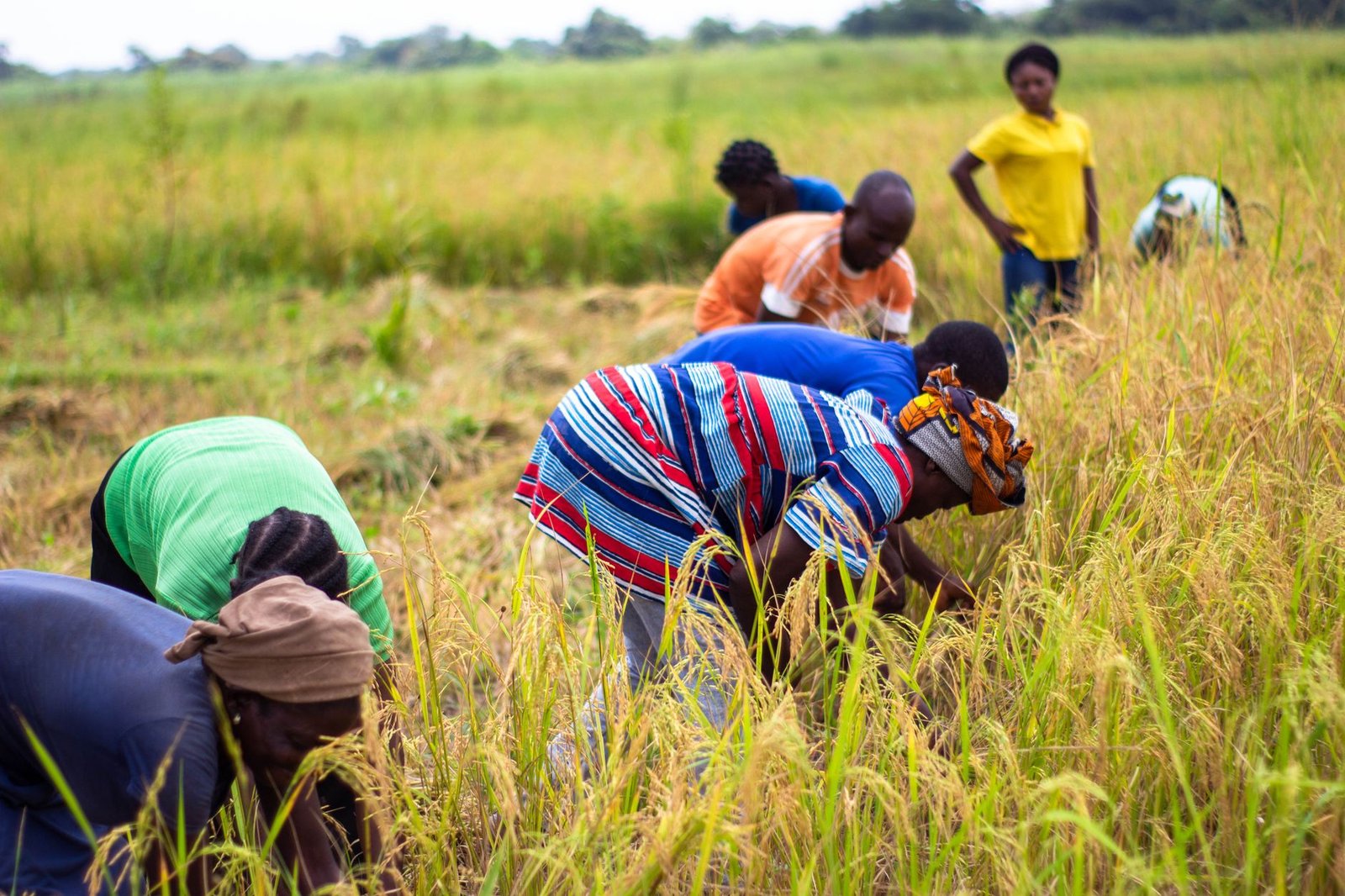
The International Institute of Tropical Agriculture has released more than 200 improved crop varieties for Nigerian farmers, spanning staples including cassava, maize, cowpea, soybean and yam, the Ibadan-based research institute said.
The varieties were developed to resist pests and disease, tolerate drought and deliver higher yields than older lines still common on many Nigerian farms. IITA director general Simeon Ehui has said the institute’s breeding work aims to close the gap between the yields achieved on research plots and those typically harvested by smallholder farmers. That gap remains wide across much of Nigeria’s farming sector.
Nigeria is Africa’s largest producer of both cassava and cowpea, and improved varieties of each crop carry outsized importance for the country’s food security. Cassava in particular underpins rural incomes and urban food supplies through products such as garri and fufu, while cowpea is a key protein source in diets across northern Nigeria. IITA says the newly released lines were bred with smallholder conditions in mind, rather than the larger, more mechanised farms that typically adopt new varieties first.

Adoption remains the harder task
Releasing a variety is only the first step. Getting it into farmers’ hands at scale has historically proved harder in Nigeria, where the certified seed system struggles to reach remote growing areas and informal seed-sharing between farmers remains common. IITA has worked with Nigeria’s National Agricultural Seeds Council and state-level agencies to multiply seed of the newly released varieties. The institute has not published adoption figures showing how many farmers are currently growing them. Past experience with improved cassava varieties in Nigeria suggests adoption can take years even after a variety proves itself on demonstration plots. Seed multiplication and farmer trust both build slowly, researchers say.
Yam varieties released under the programme have already reached farmers in several states, according to Nigerian agricultural officials. Early reports describe stronger yields on plots planted with the new lines compared with local varieties. Similar multiplication efforts for cassava and cowpea are expected to follow a comparable path, moving from breeder seed through foundation and certified seed stages before reaching the open market. Soybean, a newer addition to many Nigerian farming systems, is being promoted partly for its ability to fix nitrogen in the soil, offering smallholders a lower-cost alternative to synthetic fertiliser between cereal plantings.
Seed access as a food security lever
Nigeria’s federal government has set its own targets for raising domestic food production and cutting import dependence. Improved seed is one of the few agricultural interventions that can lift yields without requiring farmers to invest in new land or expensive machinery. IITA’s work sits alongside separate breeding programmes run by national research institutes, together forming the backbone of Nigeria’s effort to modernise its seed supply. Comparable breeding partnerships elsewhere in the Global South follow a similar logic. CIMMYT’s long-running wheat collaboration with Pakistan’s Ayub Agricultural Research Institute is one example: locally bred, locally adapted seed does more for food security over time than relying on imported grain to cover shortfalls.
The institute says further releases are expected as breeding pipelines for other staple crops mature, though it has not set a public target for how many additional varieties might reach farmers in the coming year. For now, officials say, the task is less about breeding new lines than about getting the 200 already released onto more of Nigeria’s farms. That shift in emphasis, from breeding to distribution, is one several of IITA’s partner agencies say they are now trying to match with their own extension budgets.



