
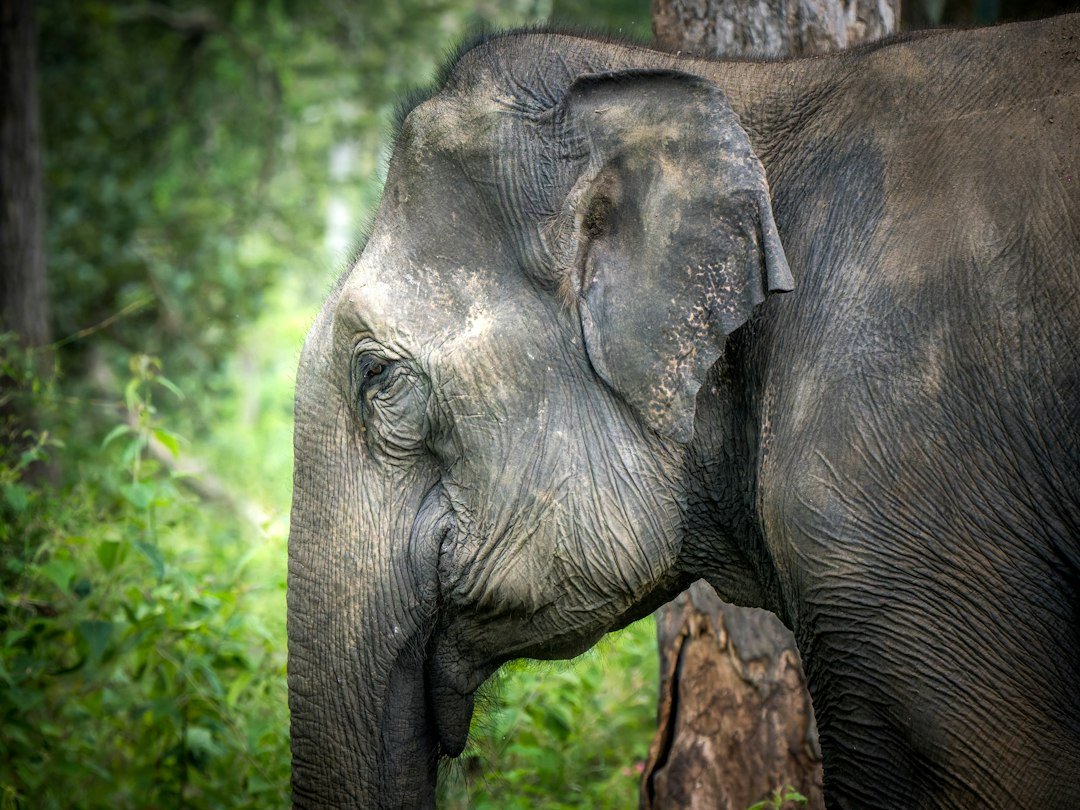
Idukki District Collector Dr Dinesan Cheruvat ordered the removal of illegal fences, walls and other structures blocking elephant corridors on 23 September. The order covers five panchayats. Chinnakanal, Santhanpara and Rajakumari are the worst-affected areas. Six people have died in wild elephant attacks in Idukki so far this year, district officials say, a toll that has sharpened pressure on the administration to act before the situation worsens further.
The Devikulam Forest Range Office has already acted on the order. Officials dismantled illegal fences in the Anayirankal dam catchment, structures that farmers had erected for cardamom cultivation across traditional elephant routes. Forest teams separately removed solar fences at Panthadikkalam. They also cleared a barrier that had blocked elephants from crossing National Highway 85 between Mathikettan and Chinnakanal. Forests Minister Shibu Baby John said the blocked corridors had trapped about 18 wild elephants in Chinnakanal.
A task force is now identifying further barriers to remove. It draws staff from the Munnar forest office, Revenue, local government and Survey departments. The Devikulam Sub-Collector has joined the effort too, coordinating between the panchayats most affected by the blocked routes. Forest officials say Asian elephants need roughly 500 to 700 kilograms of food and water daily. Shrinking corridors make that requirement steadily harder for a herd to meet.

A divide between farmers and conservationists
The order has drawn sharp opposition. The Idukki Diocese of the Syro-Malabar Church called it “inhumane” and demanded its withdrawal. The All India Kisan Sabha and the KCBC Jagratha Commission have also objected. Ten environmental organisations have backed the Collector instead. The Sanctuary Nature Foundation wants genuine farmers protected, but it wants disputed orders challenged through the courts, not through protest on the ground.
Kerala Chief Minister VD Satheesan says the drive targets encroachers’ fences specifically. Genuine farmers will not be affected, he has said. The Forest Department says it is not touching fences on legitimate private land. A technical committee began reviewing the dispute on 28 September. Dr PS Easa, former director of the Kerala Forest Research Institute, heads the panel. It includes a tribal representative, Murukesan, and must report back within a month.
Human-wildlife conflict over shrinking corridors is not unique to Kerala. A new global report finds that Africa’s monitored wildlife populations have fallen 80% since 1970. Habitat loss, as farmland and roads fragment forest, drives much of that decline. Both cases share the same underlying tension. Agriculture and wildlife are competing for the same shrinking land, with fatal consequences on both sides when nobody manages that competition.
Four corridors, decades of pressure
A 2017 report titled Right of Passage had already identified four major elephant corridors in Keralam. Those corridors include the routes now at the centre of the Chinnakanal dispute. Pressure on them has built for years, as cardamom cultivation spread into forest fringe land that elephants have used for generations, long before the first fence went up. The technical committee must report within a month. Its findings will likely decide whether this clearance drive becomes a lasting template for the state, or simply another contested order that stalls in court while the conflict continues on the ground.