
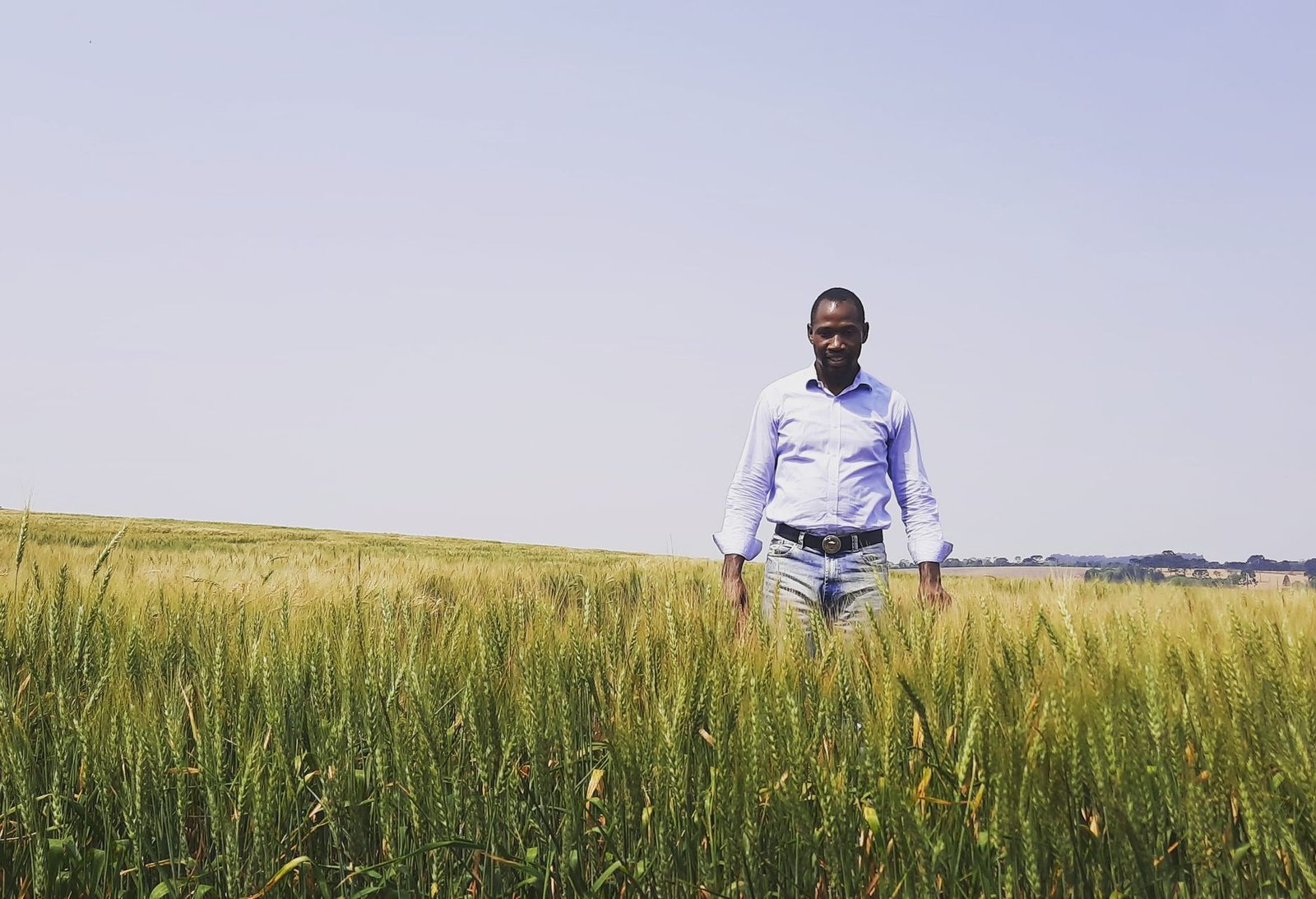
Kenya faces a grain shortage severe enough to require large-scale maize and wheat imports, after drought cut deep into harvests across the country’s main growing regions. Trade estimates put the combined import requirement at up to five million tonnes, splitting roughly into 2.3 million tonnes of maize and 2.6 million tonnes of wheat. The US Department of Agriculture separately projects a domestic maize shortfall of 2.2 million tonnes for the season. This gap signals a difficult year for food security in East Africa’s largest economy, as neighbouring countries report similar strain. Maize, milled into flour for ugali, remains Kenya’s dominant staple, while wheat underpins bread and other processed foods sold widely in urban markets.
Drought has hit hardest in the North Rift Valley and western Kenya, the country’s principal grain-producing belts. Failed rains have destroyed close to half of the grain fields across these regions this season, sharply reducing the maize and wheat harvest Kenya normally relies on for most of its domestic demand. The shortfall follows a now-familiar pattern of erratic rainfall disrupting planting and harvest cycles in recent seasons, leaving farmers with smaller and less predictable yields, even as the population depending on those harvests keeps growing. Smallholders across both regions supply a large share of the maize reaching domestic markets, so a poor season there hits national supply harder than a similar shortfall elsewhere would.
The scale of the shortfall is forcing Kenya to lean more heavily on maize and wheat imports at a time when global and regional supplies are also under pressure. Millers and traders typically source wheat from the Black Sea region and elsewhere, while maize imports usually come from neighbouring Tanzania, Uganda and further afield when local harvests fall short. A shortfall covering both staple grains at once adds pressure to import logistics and foreign exchange budgets, at a time when many East African economies are already managing tight finances. Securing shipments quickly matters too, since delayed deliveries widen the gap between the shortfall and the point at which imported grain actually reaches millers and consumers.

A region already under strain
Kenya’s shortage sits within a wider regional pattern, as climate extremes, declining soil fertility and rising market costs push East Africa toward a prolonged food crisis. Regional reporting shows the effects could persist well into 2027. Grain prices are already climbing sharply in several countries, and crop failures are mounting in key farming zones of both Kenya and Uganda. The overlap between Kenya’s own shortfall and this broader regional stress suggests the pressure on East African food systems reaches well beyond one country’s harvest.
Forecasters warn that a strong El Nino expected later in 2026 could deepen the crisis further, bringing floods, droughts and other disruptions depending on location. El Nino episodes have historically produced uneven rainfall across East Africa, with some areas flooding while others turn drier than normal, complicating recovery for farmers already contending with depleted soils and costly inputs.
Higher prices, tighter budgets
Rising grain prices are likely to be the most immediate effect for consumers, at a time when household budgets across the region are already strained by broader cost-of-living increases. Governments facing similar import gaps will need to weigh the cost of large-scale grain purchases against other spending priorities, a trade-off that gets harder if a strong El Nino disrupts the 2027 planting season too. For now, the scale of Kenya’s import requirement points to a food security challenge likely to outlast this single season.