
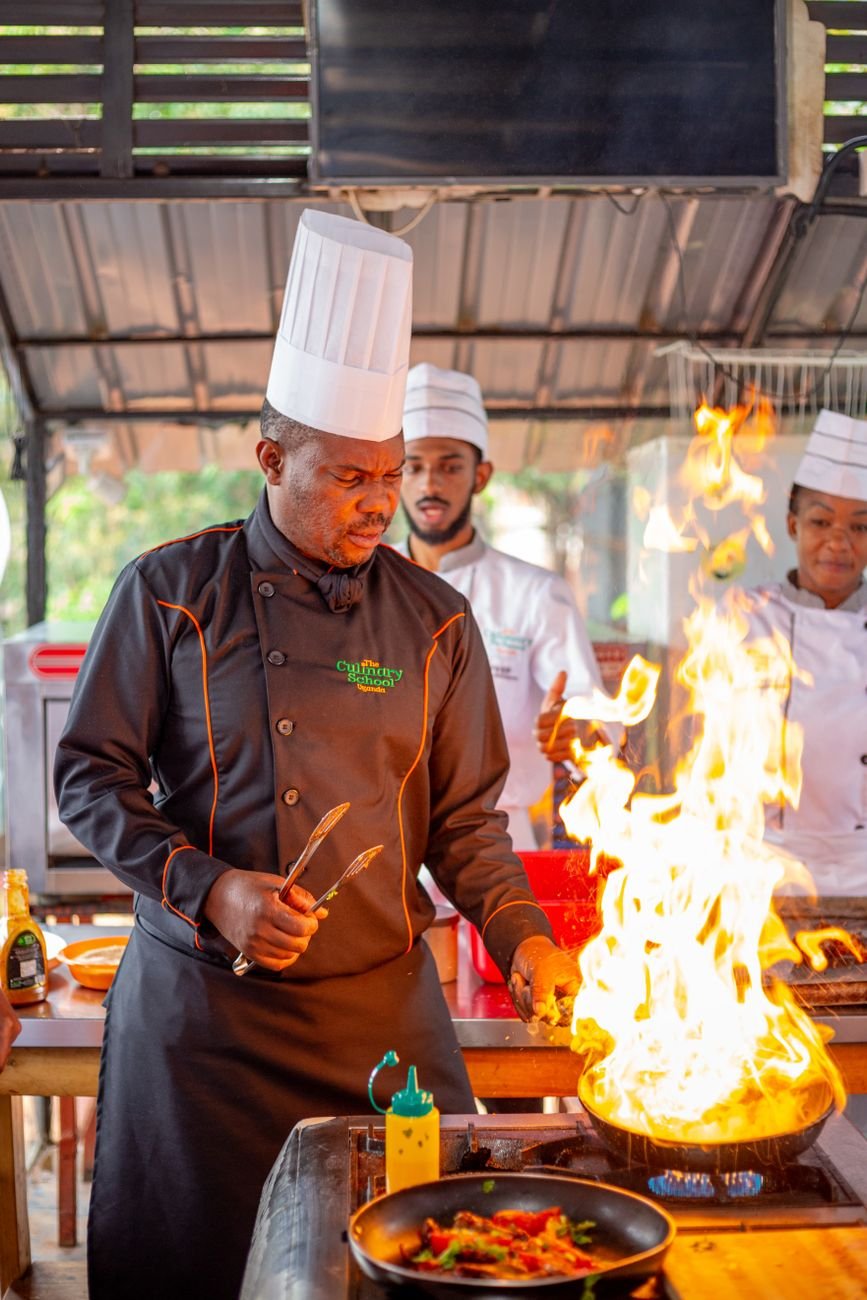
Kenyan chefs and hospitality students dominated the winners’ list at Ladha Za Afrika 2026, the pan-African culinary competition held at Boma International Hospitality College in Nairobi. Now in its second edition, the contest drew entrants from Kenya, Uganda, Nigeria and Botswana under the theme Fahari ya Mapishi ya Afrika, presented in English as a food safari expedition. Judges assessed dishes and service on creativity, technical execution, presentation, taste, sustainability and professionalism, with Kenyan talent taking most of the top honours across both culinary and service categories.
The top Diamond Awards for culinary excellence went to Abigael Anne Mumbi Mugo of Kibondeni College and Samwel Njuguna of Sarova Hotels, while Livingstone Mulu of the host college and Agnes Akoth of Tribe Hotel took the Diamond Awards for service. Judges also singled out sustainability practice, naming Jeff Kiama of Radisson Blu for integrating sustainable methods into his culinary work. Bonface Kalingu of Kenya Coast National Polytechnic received the Prof George A. O. Magoha Award 2026, a special recognition category at the competition.
Younger specialists were recognised too. Teddy Munge was named junior sommelier of the year, Faith Achieng Odhiambo took the junior mixologist title and Shelvin Kalaghan was named junior barista, each drawn from a different hospitality training institution. South African chef Shaun Michael Smith led the judging panel, with scoring that covered originality and sustainability alongside technical skill. The Boma Hotels group separately received an industry recognition award for its contribution to hospitality training, underlining the competition’s ties to Kenya’s wider tourism and hotel sector.

A stage for Africa’s culinary talent
Organisers frame the competition as part of a broader push to raise the profile of African cuisine on the international stage. Samuel Irungu, principal of Boma International Hospitality College, said gastronomy is becoming a central driver of tourism and cultural identity, adding that competitions such as Ladha Za Afrika help promote local cuisine, encourage innovation among young chefs and strengthen the hospitality industry more widely. Organisers point to a global gastronomy market worth an estimated 1.1 trillion US dollars, projected to approach 1.8 trillion dollars by 2027, as evidence of the commercial stakes behind culinary tourism and skills development across the continent.
Most winners were affiliated with hotel groups or hospitality colleges rather than entering as individuals, reflecting the event’s roots in formal culinary and hotel management education. Entrants from Uganda, Nigeria and Botswana competed alongside Kenyan teams, giving Ladha Za Afrika 2026 a genuinely continental character despite its Nairobi base. Institutions represented among the winners included Kibondeni College, Boma International Hospitality College, Kenya Coast National Polytechnic and Dedan Kimathi University of Technology, alongside hotel groups such as Sarova, Tribe and Radisson Blu.
For a sector that trains much of East Africa’s hotel and restaurant workforce, the competition doubles as a recruitment showcase, with named employers drawing talent straight from the winners’ list. Kenya’s sweep of the culinary, service and specialist categories reflected the depth of its hospitality college pipeline. Coverage of the event across Kenyan media framed it as a moment of national pride, with the country’s chefs, sommeliers, baristas and mixologists all placing among the winners.
The result cements Nairobi’s role as a hub for hospitality training on the continent and gives young chefs from across the region a continental stage to build careers on, as the competition heads into its second year of judging Africa’s rising culinary talent.