
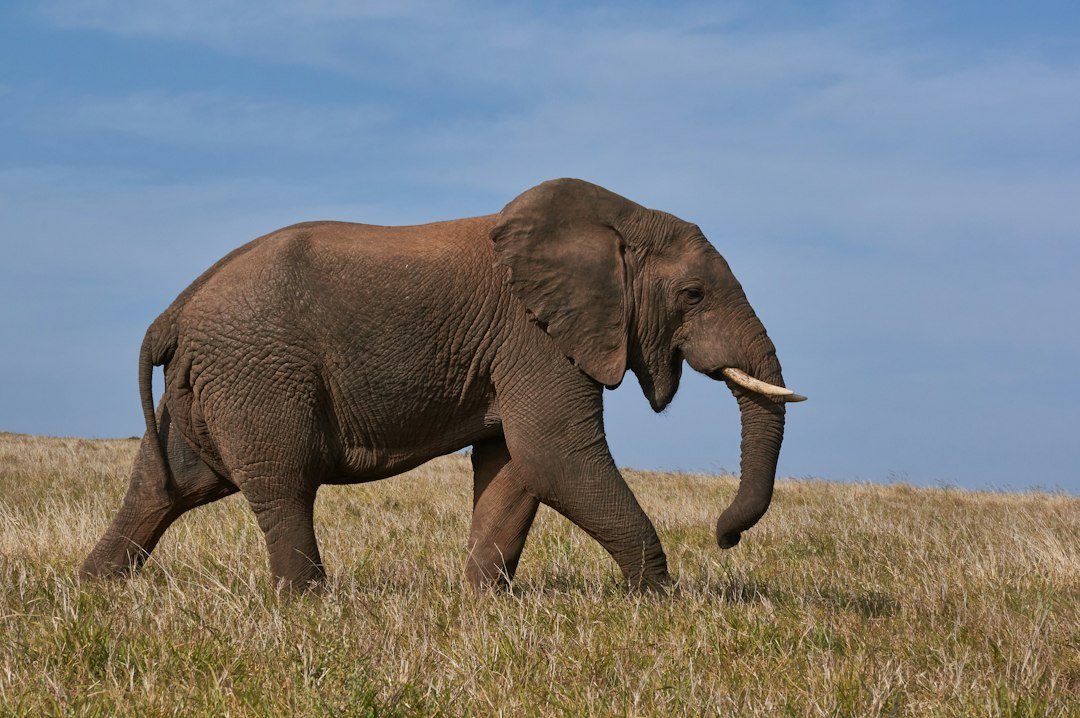
Tanzania’s Nyerere-Udzungwa Wildlife Corridor, running through the Kilombero Valley in the south of the country, has reconnected Nyerere National Park with Udzungwa Mountains National Park through an unusually voluntary process. Rather than expropriating land, authorities secured the route after 368 farmers and landowners agreed to give up parcels of between 1,000 and 2,000 square metres each, receiving compensation in return. The corridor sits in a landscape long recognised for its importance to elephants and other large mammals migrating between the two protected areas.
The farmers were paid nearly 2.2 billion Tanzanian shillings (about £650,000/$880,000) in total for their land, a settlement that allowed the corridor to be established without the forced removals that have accompanied other conservation projects on the continent. The corridor itself stretches around 14 kilometres, narrowing to just 200 metres at its tightest point, a slim but continuous passage between two protected areas that had previously been cut off from one another by farmland and settlement.
Early results suggest the approach is working. Trail cameras placed along the route recorded 529 elephants using the corridor over a 15-month monitoring period, evidence that wildlife is already moving between the two parks in meaningful numbers. For a region where human-elephant conflict has long strained relations between farmers and conservation authorities, the voluntary, compensated model offers a different template for how such corridors might be built elsewhere.

A different model for conservation land
Wildlife corridors are usually established through a mix of government decree, protected-area expansion, or negotiated easements, and voluntary land transitions remain comparatively rare. In the Kilombero Valley, the involvement of 368 separate landowners meant assembling a corridor was a slow, parcel-by-parcel negotiation rather than a single administrative act. The scale of that coordination, across hundreds of individual holdings, distinguishes the NUWC from many other corridor projects, where a handful of larger landholders or state-owned tracts can simplify the process considerably.
The compensation figure, averaging out to a modest sum per farmer once divided across 368 participants, nonetheless represented a meaningful transfer for smallholders giving up productive land. That the process proceeded without reported disputes or forced removals suggests the compensation was judged acceptable by those involved, even if the per-farmer amounts were comparatively small set against the value of the conservation outcome secured.
Measuring the corridor’s early impact
The elephant count from the trail cameras gives conservationists a rare early indicator of whether a corridor is functioning as intended. Rather than waiting years to assess whether wildlife populations in the two parks have genetically or behaviourally reconnected, the 15-month camera data already shows substantial elephant movement through the narrow 200-metre bottleneck, a promising sign for a corridor still in its early life.
If the pattern holds, the Kilombero Valley corridor could become a reference case for conservationists elsewhere in East Africa weighing how to reconnect fragmented habitats without displacing the rural communities who live within them. The case also suggests that conservation and agricultural livelihoods need not be framed as opposing interests, provided compensation and consultation are handled carefully.