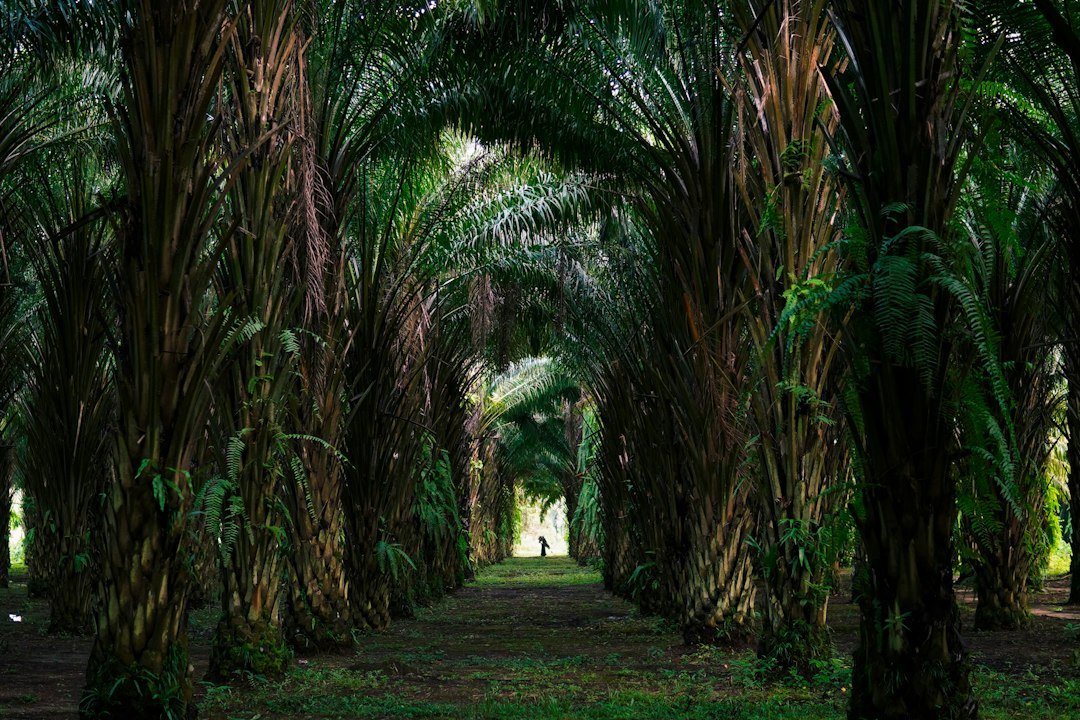
Malaysia is on track to exceed its 2026 palm oil production target, Plantation and Commodities Minister Datuk Seri Noraini Ahmad said after officiating the Malaysian Palm Oil Forum in Kuala Lumpur. Total 2026 output is projected at between 19.5 and 19.8 million tonnes, building on production of 10.8 million tonnes recorded over the first seven months of the year.
With two months of the year remaining, Noraini said she expects 2026 output to at least match, and potentially beat, the record 20.28 million tonnes Malaysia produced in 2025. She attributed the strong run to positive industry developments and aggressive marketing efforts rather than to any single factor such as weather or new planting.
More than 80% of Malaysia’s palm oil production is exported, making the industry one of the country’s most important sources of foreign exchange and a significant employer across plantation regions in Peninsular Malaysia, Sabah and Sarawak. India has been Malaysia’s largest palm oil buyer for 13 consecutive years, a relationship Noraini discussed directly with Indian companies during a visit to the Globoil India 2026 conference in Mumbai in late September.

Diversifying buyers while chasing bigger harvests
The Malaysian Palm Oil Council and the Malaysian Palm Oil Board are running promotional programmes aimed at expanding the industry’s reach in international markets beyond its traditional buyer base, part of a broader effort to reduce reliance on any single importing country even as India remains the anchor market. Malaysia’s exporters have faced years of scrutiny in the European Union in particular, where deforestation-linked import rules have complicated market access for palm oil producers across Southeast Asia.
Noraini also pointed to the government’s continued push for a palm oil-based biomass industry as a longer-term priority, saying it could generate additional income for the sector while supporting renewable energy goals and more efficient use of plantation waste. She did not set a specific commercialisation target for biomass, suggesting the initiative remains at an earlier stage than the output and export figures she detailed for this year’s harvest.
Malaysia’s emphasis on hitting, or beating, its production target comes as regional competitor Indonesia has reported its own output pressures this year, with Indonesia’s statistics agency forecasting a near 12% quarterly fall in rice output even as farmers’ terms of trade continue to improve. The contrast underscores how unevenly 2026’s growing conditions have played out across Southeast Asia’s major agricultural exporters, even within commodities as different as rice and palm oil.
For Malaysia, sustaining record-level output while diversifying its export markets and building out a biomass industry represents a multi-front strategy rather than a single policy lever. Whether the final two months of 2026 confirm a new production record will become clear once full-year figures are tallied, but the minister’s comments suggest the government is confident the underlying trend will hold.
Smallholders account for a substantial share of Malaysia’s palm oil planted area, alongside large corporate estates, and production trends at the national level do not always translate evenly across both groups. A record national harvest can still leave smaller producers exposed if input costs or replanting cycles move against them, a distinction that tends to get less attention than the headline tonnage figures the minister cited this week, even though smallholders collectively farm a substantial share of the country’s total planted palm oil area and rarely benefit from the same economies of scale as large estates.