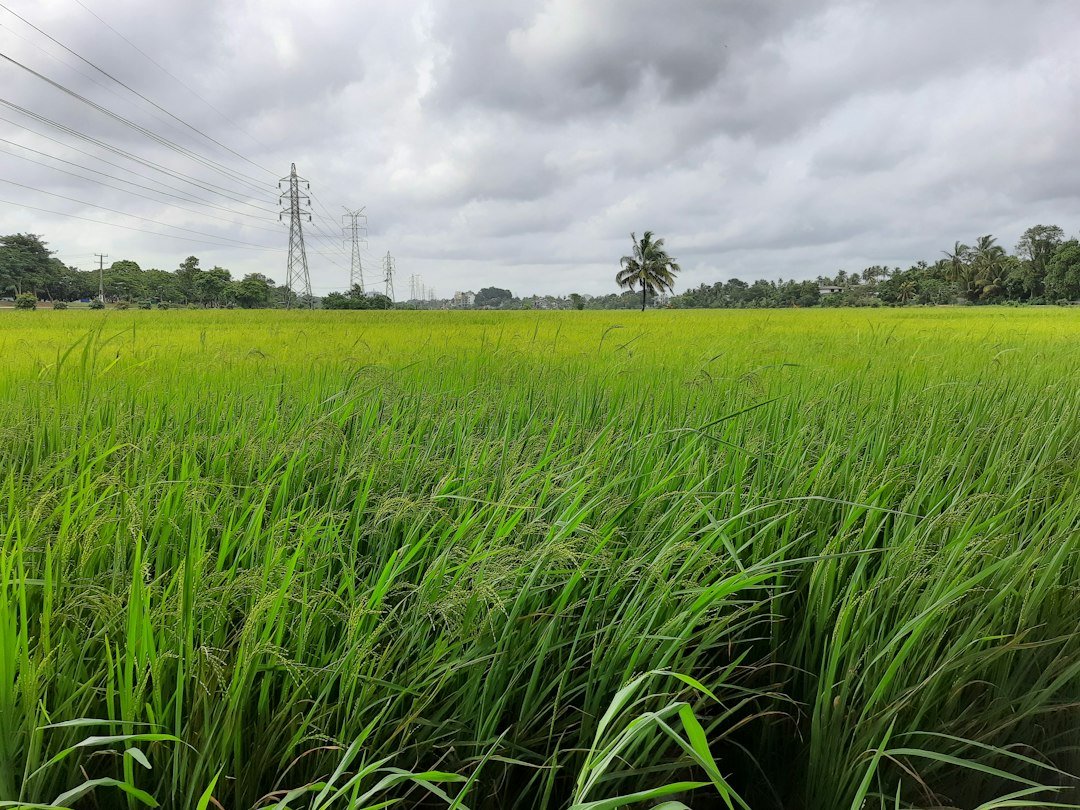
Sri Lanka’s Cabinet has approved a Rs 16 billion fertiliser subsidy for paddy farmers ahead of the 2026/27 Maha cultivation season, the island’s main rice-growing period. The decision followed a proposal from Agriculture, Livestock, Land and Irrigation Minister K.D. Lalkantha, built on recommendations from the Director General of Agriculture.
Under the scheme, farmers will receive Rs 30,000 per hectare, up to a maximum of two hectares, putting the largest individual payout at Rs 60,000. At the exchange rate of roughly Rs 437 to the pound recorded on 9 October 2026, Rs 16 billion is equivalent to about GBP 37 million, underlining the scale of the government’s commitment to paddy cultivation at a time when fertiliser costs remain a persistent burden for smallholders.
The Maha season, which typically runs from September to March, is Sri Lanka’s primary rice harvest and a critical determinant of national food security. Paddy farming underpins rural livelihoods across the island’s dry and wet zones alike, and fertiliser costs are consistently cited by farmer groups as one of the biggest pressures on their margins.

Sri Lanka has rotated through several fertiliser subsidy models in recent years, after a 2021 ban on chemical fertiliser imports contributed to a sharp fall in paddy yields and helped trigger the country’s wider economic crisis. Since then, successive governments have restored and adjusted subsidy schemes for both the Maha and Yala seasons, with this year’s allocation continuing that course correction.
A season-by-season balancing act
The subsidy is paid out in two parts: part of the sum is released once the eligible-farmer list is finalised through the Seasonal, or Kanna, meetings held in farming districts, with the remainder tied to confirmation that planting has actually begun. That structure is designed to reduce leakage and ensure the subsidy reaches land that is genuinely under cultivation, rather than being claimed on paper.
For many Sri Lankan farmers, the subsidy is less a windfall than a buffer against input costs that have stayed high since the 2021-22 crisis. Diesel, imported urea and other agrochemicals are all priced largely in US dollars, which means currency movements can erode the value of a fixed subsidy allocation even when the rupee amount looks unchanged from one season to the next. Farmer groups have long argued that a subsidy fixed in rupee terms offers less protection than it appears to on paper, since a weaker currency can quietly shrink its real purchasing power between the time it is announced and the time it is actually spent on fertiliser.
The government’s decision to confirm the subsidy ahead of the Maha season, rather than part-way through it, gives farmers more certainty when making planting decisions on how much land to bring under paddy and which inputs to budget for. Sri Lanka has previously seen cultivation plans disrupted by late subsidy announcements, with some farmers delaying fertiliser application until payments were confirmed.
Whether the Rs 16 billion allocation proves sufficient will depend on fertiliser import prices over the coming months and on rainfall through the Maha season. A repeat of past disbursement delays, farmer groups have warned, would blunt the benefit of even a generous subsidy if payments do not reach growers before critical application windows close. The Agriculture Ministry has not yet published a disbursement schedule setting out when the first tranche will reach eligible farmers, leaving that question for the district-level Kanna meetings still to come this season.