
The National Agriculture Centre and Sheraa, the Sharjah Entrepreneurship Center, ran a six-week agritech incubation programme called Agriboost 2026 earlier this year, combining a foundational bootcamp on agile methodologies with a hands-on incubation phase. The programme drew more than 100 applications before narrowing the field to five winning start-ups, who presented their work at a closing Demo Day.
The Demo Day took place at the Emirates Agriculture Conference and Exhibition 2026, which opened on 22 April in Al Ain, placing Agriboost’s results within one of the UAE’s established showcases for agricultural innovation. Sheraa provided mentorship and strategic guidance throughout the programme, while the National Agriculture Centre co-organised the initiative and hosted the closing ceremony.
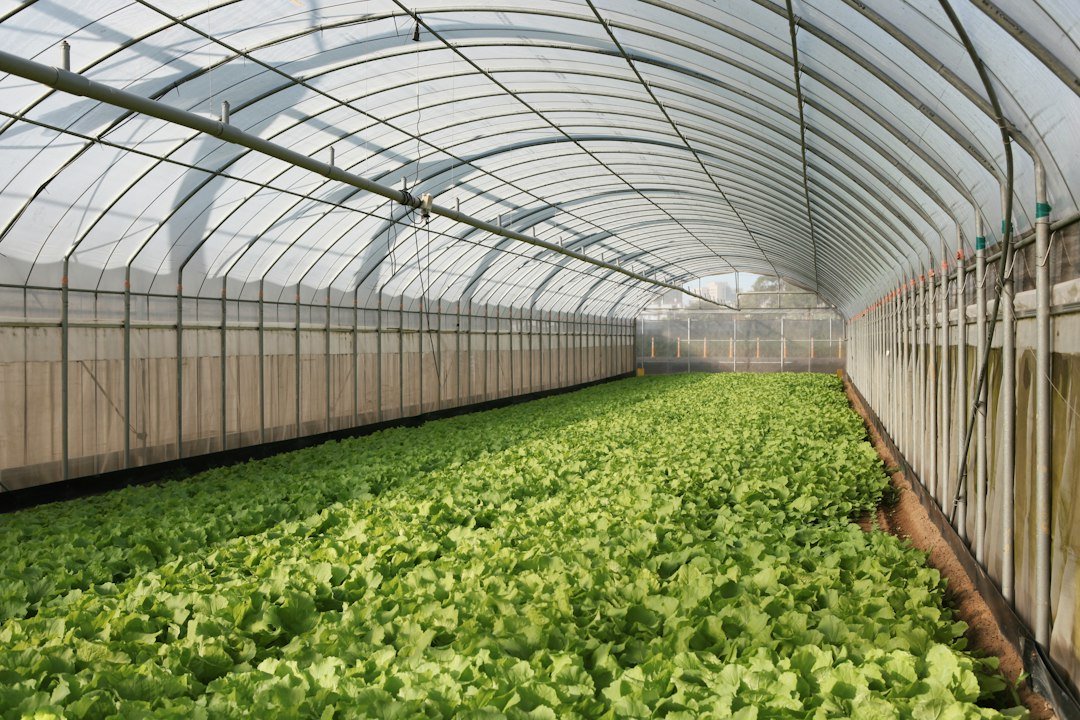
Madiya Farms took first place with a vertically integrated platform combining standardised greenhouse infrastructure with AI-driven farm management. Hareth placed second with Internet of Things solutions aimed at irrigation optimisation and managing soil salinity and water scarcity, two of the most persistent constraints on farming in the UAE’s arid conditions.

Five start-ups, one shared climate challenge
The remaining three finalists tackled related problems from different angles. CropGuard, placed third, combined soil sensing with smart precision irrigation and adaptive shading designed for arid climates. Agrotunes, in fourth, built an AI-powered platform for intelligent farming within built environments, extending agritech tools into indoor and controlled-environment growing. INNOFarms.AI, rounding out the top five, offered an enterprise AI and robotics platform providing real-time traceability and farm automation.
Taken together, the five winning start-ups cluster around a common set of problems, water scarcity, soil salinity, heat stress, and the need for automation, that define farming in the Gulf’s arid conditions. Rather than importing solutions wholesale from temperate agricultural systems, each start-up built tools specifically suited to local growing conditions, from greenhouse standardisation to adaptive shading.
Part of a wider food-security strategy
Agriboost sits alongside the UAE’s broader push to build domestic food-security capacity, a strategy that also includes hosting major international trade events such as Global Food Week in Abu Dhabi. Where the trade show connects the UAE to global food and agriculture markets, programmes like Agriboost aim to cultivate homegrown technology that can reduce the country’s reliance on imported agricultural solutions and, eventually, imported food itself.
Though the programme concluded months before this report, its outcomes remain relevant to the UAE’s ongoing agritech ambitions. With five start-ups now carrying NAC and Sheraa backing into the market, the real measure of Agriboost’s success will be whether their greenhouse, irrigation, and automation technologies find commercial traction among the country’s farmers in the years ahead.