
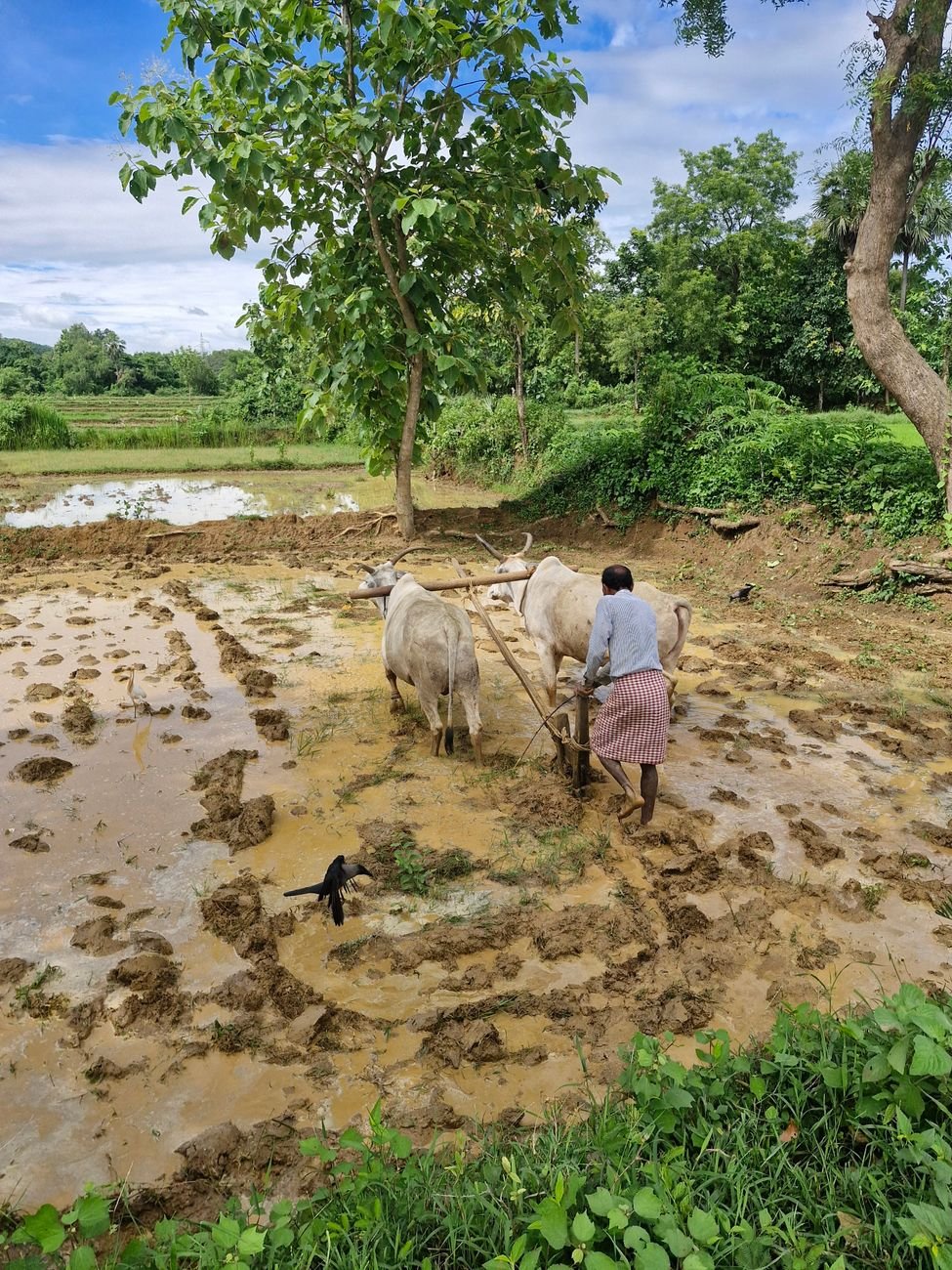
Telangana’s farm mechanisation scheme will receive Rs 147.99 crore, or about $15.3m (£11.6m), for 2026-27. That is more than double the Rs 71 crore set aside last year. Agriculture and Marketing Minister Tummala Nageswara Rao announced the allocation in Hyderabad, confirmed by the state agriculture department. He said local and central funds had been aligned for the scheme’s next phase.
The Congress-led government revived the farm mechanisation scheme in 2025-26 after a gap of several years. Farmers used Rs 63 crore of that year’s Rs 71 crore budget. Most of it went on tractors, power tillers, rotavators and other equipment. Officials say the jump for 2026-27 reflects strong take-up in the scheme’s first year back. It also reflects rising demand from smallholders squeezed by labour shortages and shrinking farm sizes.
Subsidies will be tiered by social category. Scheduled Caste and Scheduled Tribe farmers will receive a 60% subsidy on approved machinery. Farmers from Backward Classes and other groups will get 40%. Payments will move directly into beneficiaries’ bank accounts through Direct Benefit Transfer. That bypasses the paper trail and middlemen that slowed earlier equipment subsidy rounds in the state.

Farmers can buy from any approved dealer
Telangana’s scheme does not restrict buyers to a short list of preferred brands. Farmers can purchase from any empanelled manufacturer or dealer. The policy should widen competition among equipment suppliers. It should also let farmers match machinery to their own landholding and crop mix, rather than settle for whatever a single approved vendor stocks.
The state is not yet accepting applications. Officials are waiting on operational guidelines from the Union government, which co-funds the scheme through its central farm mechanisation programme. Those guidelines will decide how beneficiaries are selected. Rao has told district agriculture officers to begin selection as soon as the directives arrive, to avoid the kind of delay that slowed disbursement in 2025-26.
A wider push to mechanise smallholder farms
Telangana’s rural economy still runs on small and marginal holdings, many under two hectares. Manual labour accounts for a large share of cultivation costs on farms that size, particularly in the state’s paddy and cotton belts, where sowing and harvesting both remain labour-intensive. Mechanisation schemes elsewhere in India have followed a similar pattern. There is a slow first year while beneficiary lists and vendor networks are built. Disbursement then speeds up once farmers see neighbours benefit from the subsidy.
The rise from Rs 71 crore to Rs 147.99 crore suggests Hyderabad expects that pattern to repeat. The state is budgeting for higher demand in advance, rather than topping up the scheme mid-year as take-up grows. Officials say recurring mid-year top-ups were a persistent problem under the mechanisation programme that ran before the 2025-26 revival. This year’s larger upfront allocation is meant to avoid a repeat.
The investment sits alongside other South Asian efforts to raise farm output through better inputs rather than new land. Pakistan is pursuing a parallel route, licensing Russian wheat and cotton varieties for its own breeding programmes. Both approaches target the same constraint. Yields have to rise, because the land under cultivation mostly cannot expand to match growing demand.
For now, the budget is set and the minister has spoken. What farmers actually receive, and how quickly, depends on how fast Delhi issues the guidelines Hyderabad says it is waiting for. Telangana’s agriculture department has not given a public timeline for when applications might open.