
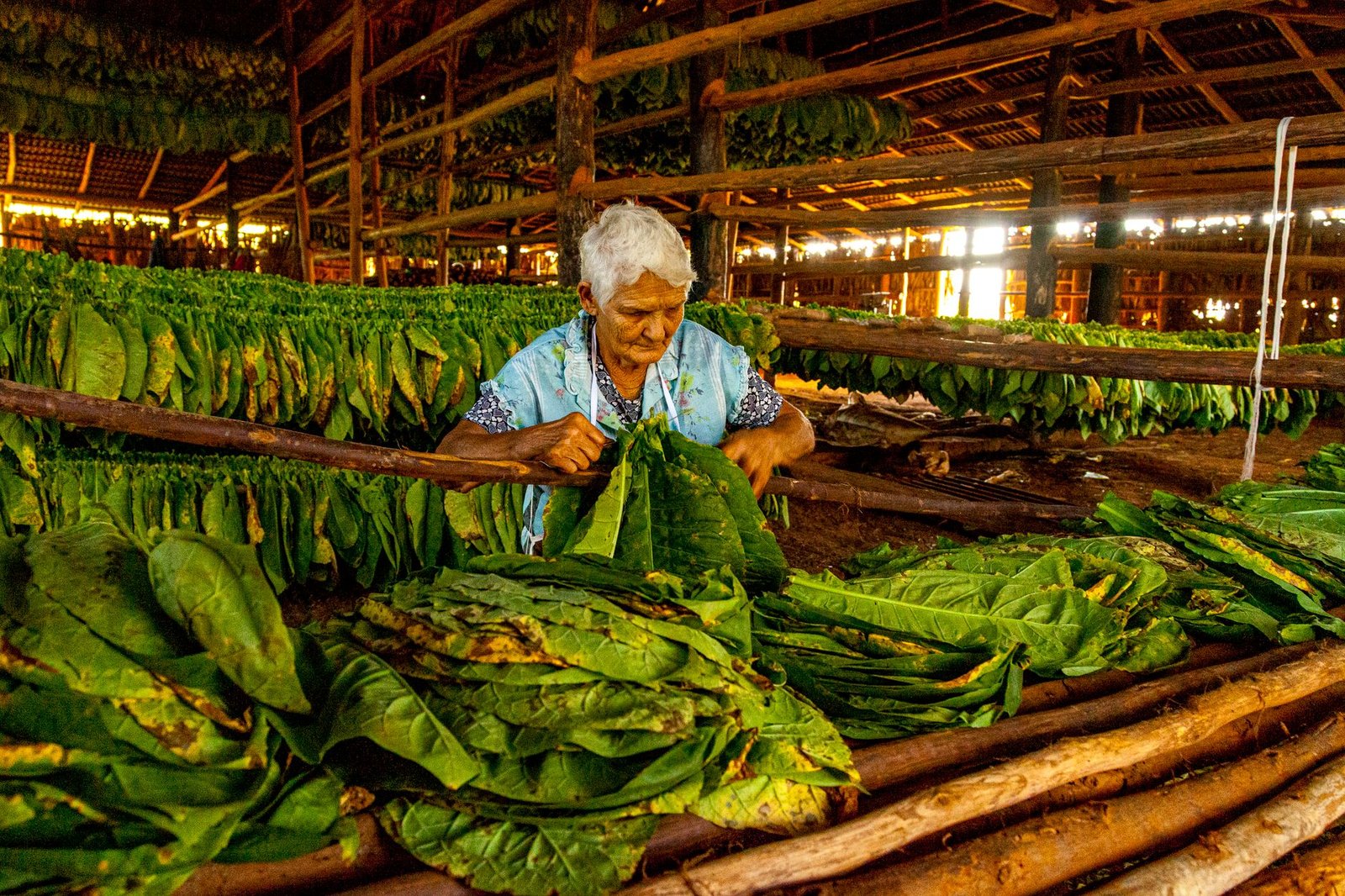
The 20th Caribbean Week of Agriculture closed in Trelawny, Jamaica, after a week of talks in which the region’s agriculture ministers pressed each other to move from discussion to delivery on long-standing plans to cut the Caribbean’s reliance on imported food.
The Jamaican government hosted the conference, held from 27 September to 2 October 2026 at the Ocean Coral Spring Resort under the theme “The New FACE of Caribbean Food Systems,” together with the CARICOM Secretariat. Jamaica’s agriculture minister, Floyd Green, told delegates the region needed clear, actionable outcomes rather than further dialogue. “We are very good at talking but oftentimes we fall down on implementation,” he said, calling for the region to convert its discussions into measurable action. The conference is linked to CARICOM’s “25 by 2025” target, which aims to cut the region’s extra-regional food import bill by 25% by 2030, a goal set against a Caribbean that still imports a large share of the food it consumes despite a long agricultural tradition across the islands.

A roadmap, and a new research hub
A plenary session on the conference’s second day, titled “Achieving the Region’s Vision 2025+5 Initiative: The Roadmap for Regional Food Security and Food Systems Transformation,” brought together agriculture ministers from across the Caribbean with international partners. Panellists included Belize’s agriculture minister Rodwell Ferguson, Barbados’s Shantal Munro-Knight, St Lucia’s Lisa Jawahir, Muhammad Ibrahim of the Inter-American Institute for Cooperation on Agriculture, and René Orellana Halkyer of the UN Food and Agriculture Organization’s Latin America and Caribbean office, moderated by CARICOM’s Ambassador David Prendergast.
Green pointed to the region’s identified vulnerabilities, chiefly climate change and high food import bills, and, citing the current hot and dry conditions affecting several islands, called for countries to share experience in building resilience into farming and food systems. He argued that integrating youth, technology and agribusiness is the only viable path to making Caribbean farming both profitable and resilient, and pressed for better regional logistics so that agricultural goods can move efficiently and affordably between countries rather than relying on costlier routes through outside markets. Several small island states in the region currently find it cheaper to import produce from outside the Caribbean than to buy from a neighbouring island, a logistics failure that officials at the conference described as one of the clearest obstacles to the import-reduction target CARICOM has set itself.
One concrete outcome from the week is a new Regional Centre of Excellence for Agricultural Innovation, to be established in Jamaica as a collaborative hub for climate-smart technologies, advanced agronomy research and data-driven farming. The panel discussion that produced the commitment to the centre drew on the Food and Agriculture Organization’s regional office as well as national ministers, placing the initiative within a wider Latin America and Caribbean push for food-systems transformation rather than treating it as a purely Jamaican project.
Organisers say the gathering is meant to produce a definitive action plan covering sector growth, food security, agribusiness, climate-smart technology and expanded regional exports, though the plan’s final contents and any binding commitments have yet to be published. For a region that imports a large share of what it eats despite its agricultural base, the test of this year’s conference, as Green himself framed it, will be whether the roadmap agreed in Trelawny produces results on farms and in supply chains, rather than becoming one more talking point ahead of next year’s meeting, when the region’s ministers will likely gather again to measure how much of this year’s “actionable outcomes” pledge actually reached a farm.



