
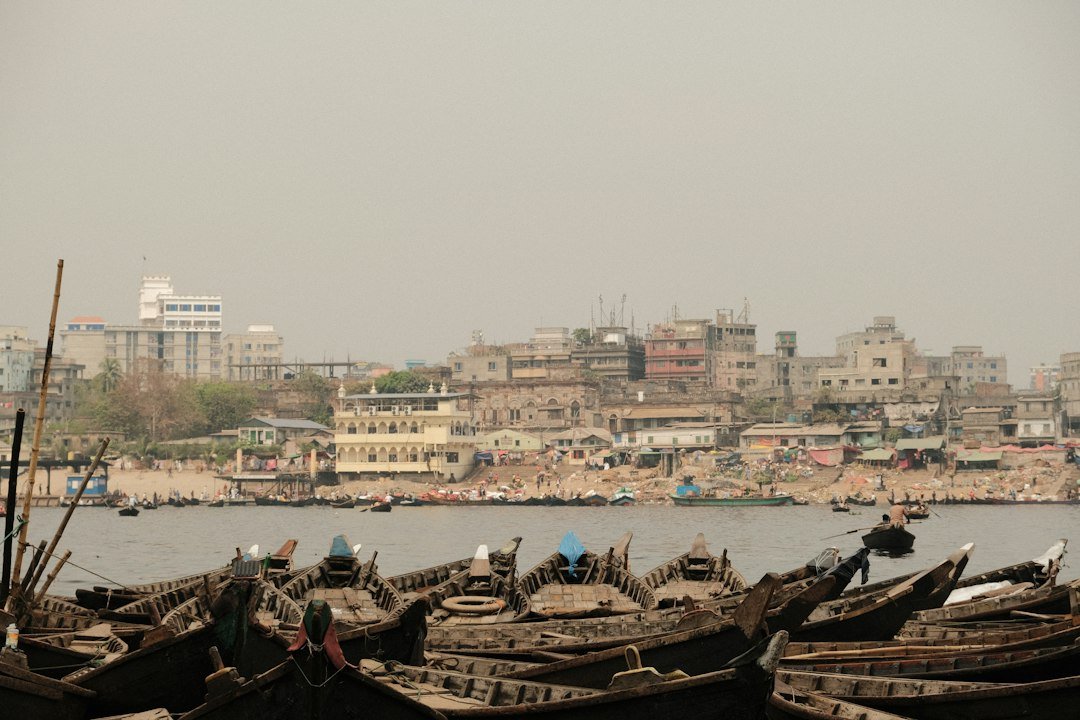
A nationwide 22-day ban on catching, selling, hoarding and transporting hilsa took effect across Bangladesh on 13 October, running until 3 November, as authorities move to protect the country’s most economically significant fish during its peak breeding window. Fisheries and Livestock Adviser Farida Akhter announced the decision to reporters at the Secretariat following a government meeting, confirming that the restrictions apply to the full supply chain rather than fishing alone, covering wholesalers and transporters as well as fishing crews.
Hilsa holds a unique position in Bangladesh’s fishing economy and culture: officials describe it as the country’s national fish, and as a single species it contributes more to overall fish production than any other, underpinning the livelihoods of hundreds of thousands of fishing households along the Padma, Meghna and Jamuna river systems and the Bay of Bengal coastline. The ban is timed to coincide with the period when female hilsa migrate upriver to spawn, a window fisheries scientists have identified as the single most effective point in the species’ life cycle at which to intervene to protect breeding stock.
Authorities have run similar seasonal bans in previous years, typically lasting around three weeks in October, as part of a broader hilsa conservation programme that also includes restrictions on catching juvenile fish, known locally as jatka, at other points in the year and limits on certain net types in hilsa sanctuaries. Officials credit the cumulative effect of these measures with helping to stabilise hilsa catches after a period of decline linked to overfishing, pollution and reduced river flows during the dry season, though catch levels remain below historic peaks recorded decades earlier.

The ban’s enforcement typically falls to a mix of coast guard, navy, police and fisheries department patrols, working to intercept both fishing boats on the water and hilsa entering wholesale markets during the restricted period, since the prohibition extends to possession and sale as well as the act of fishing itself. Violations can result in confiscation of catch and equipment and prosecution under fisheries law, though enforcement across Bangladesh’s extensive river delta and coastline remains logistically difficult given the sheer number of small-scale fishing operations spread across the affected waterways.
For the fishing households whose income depends on hilsa, the ban represents an annual trade-off between a guaranteed short-term loss of income and the longer-term sustainability of the stock they depend on every other month of the year. Unlike some previous seasons, this year’s announcement did not include details of compensation or alternative income support for registered fishermen during the restricted period, a gap that fishing community representatives have raised in past years when government rice or cash assistance programmes were delayed or fell short of covering the full ban period.
The timing of this year’s ban, running through early November, falls after the most intensive part of the monsoon-season river flow that hilsa rely on to move upstream to spawn, giving fisheries officials a narrow but consistent annual window in which they argue conservation gains can be achieved without permanently disrupting the wider fishing economy that depends on the species the rest of the year.
Market traders in Dhaka and Chittagong say prices for hilsa typically spike in the days immediately before a ban takes effect, as buyers stock up, before falling away sharply once the restricted period ends and fresh catch returns to wholesale markets. Fisheries officials maintain that this short-term price volatility is a worthwhile trade-off against the longer-term risk of a stock collapse, pointing to the partial recovery in overall hilsa landings since the ban programme was first introduced as evidence the approach is working, even if catches remain below the levels recorded before overfishing and river pollution took hold.



