
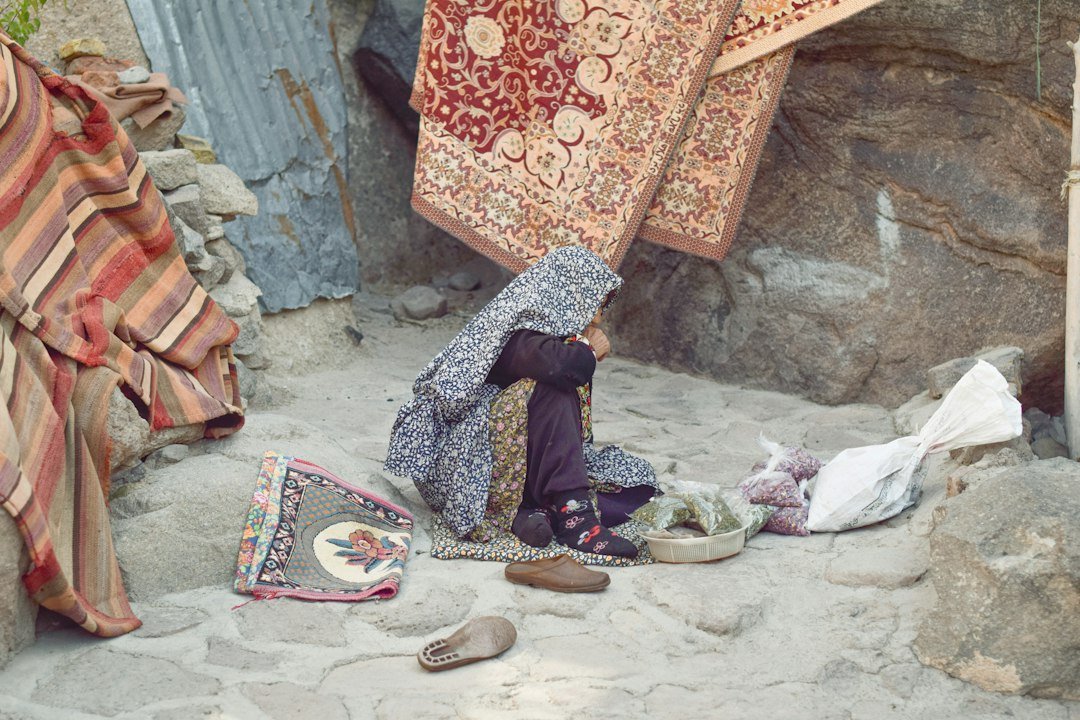
UN Women has warned that escalating conflict across the Middle East, combined with disruption to shipping through the Strait of Hormuz, could push an additional 11.7 million women and girls into food insecurity by the end of 2026. The figure comes from a new analysis, Food security risks of the Middle East escalation for women and girls, released from Geneva and reported on 5 October, which models a projected rise of 22 million additional food-insecure people across 28 countries in total, meaning women and girls would account for 53 per cent of that increase despite making up roughly half the population analysed.
The report’s authors are explicit that the figures are scenario-based estimates rather than forecasts, built to show how shipping disruption translates into household hardship. Blocked or diverted traffic through the Strait of Hormuz raises energy, fertiliser and transport costs, which in turn push up food prices across import-dependent economies; those price rises compound existing income and livelihood losses, while gender gaps in employment and access to financial services leave women with fewer resources to absorb the shock. UN Women’s baseline estimate puts the number of women and girls already food insecure or undernourished across the 28 countries studied at around 208 million before this year’s escalation is even factored in.
The report’s country-level breakdown shows the risk is far from evenly spread. In South Sudan, the additional caseload would equal about 14 per cent of the entire female population, the highest share of any country studied, followed by Lebanon at nearly 4 per cent. In Afghanistan, women and girls are projected to make up about 60 per cent of those newly at risk, rising above 57 per cent in Yemen and close to 56 per cent in Sudan. South Sudan, Sudan, Haiti, Yemen and Palestine were flagged as facing overlapping vulnerabilities, while the largest absolute numbers of affected people fall in the region’s more populous countries.

UN Women’s analysis links the gendered impact to structural barriers that predate the current escalation. Around 80 per cent of women are outside the labour force in Egypt, Iraq, Palestine, Sudan and Syria, a figure that rises to roughly 95 per cent in Afghanistan and Yemen. Among women who are employed, over 80 per cent hold vulnerable or informal jobs in Afghanistan, Burkina Faso, Ethiopia, Haiti, Mali and South Sudan, leaving little financial cushion when food prices rise. Access to formal finance compounds the problem: fewer than one in five women hold a bank or mobile money account in Iraq, Lebanon, Pakistan and Yemen, limiting their ability to save, receive remittances or cash assistance, or borrow against a bad season.
The agency’s recommendations call for an integrated humanitarian response that combines food and cash assistance with nutrition, protection, livelihoods and agricultural support, rather than treating food aid as a standalone intervention. It also urges donors and governments to expand women’s access to land, credit, services and productive assets, to target resources toward areas of overlapping risk, and to deliver support on time, including ahead of agricultural planting seasons rather than after a shortfall has already taken hold. UN Women further called for better data on where food insecurity is worsening and on how it specifically affects women’s food intake, unpaid care burdens and protection risks, arguing that generic food security statistics routinely obscure the scale of the gendered gap its new analysis attempts to quantify.
Related reading: Famine risk deepens across Darfur and Kordofan as conflict blocks aid access, on one of the specific conflict-driven hunger crises feeding into these regional projections.



