
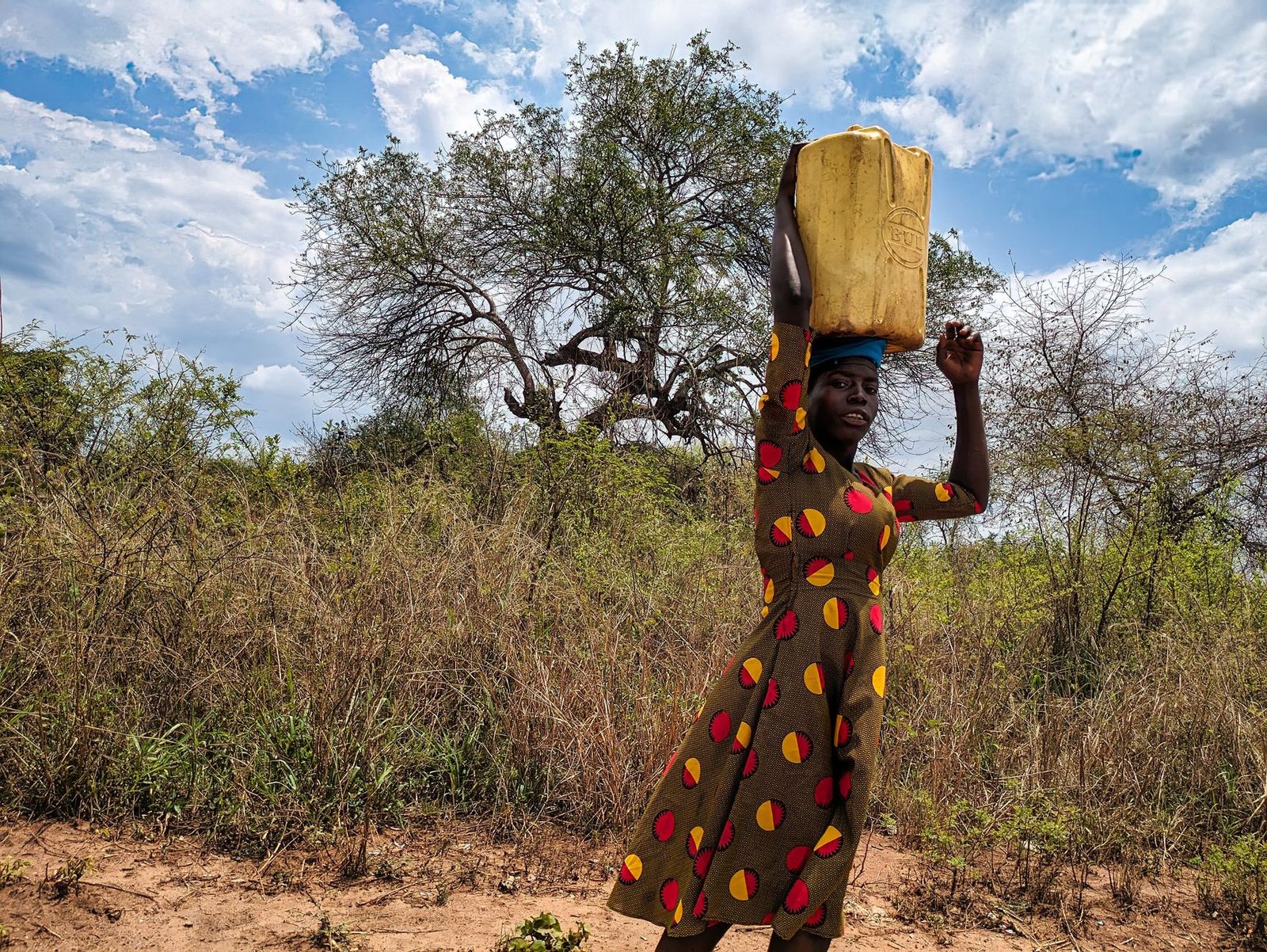
Mathias Mpuuga, president of Uganda’s Democratic Front party, has warned that prolonged drought and sharply rising fuel costs could deepen food insecurity across the country unless the government takes urgent action, speaking to journalists in Kampala as Uganda marked 64 years of independence on 9 October 2026.
“The prolonged sunshine and drought are exposing Uganda to a serious food crisis,” Mpuuga said at the Democratic Front’s headquarters in Lungujja. He called it shameful that Ugandans faced the danger of hunger 64 years after independence, and accused the government of failing to respond adequately, saying its silence was adding to people’s suffering. Karamoja, in Uganda’s north-east, is experiencing particularly severe conditions, he said, and recent food-security assessments indicate that about 3.6 million people in the areas analysed face crisis-level food insecurity or worse.
The timing of his remarks, delivered as the country marked the anniversary of its independence from Britain in 1962, was deliberate. Independence Day speeches in Uganda, as in much of the region, typically draw contrasts between the promise of self-rule and the government’s present-day record, and Mpuuga used the occasion to argue that a government unable to protect citizens from a predictable seasonal drought has fallen short of that promise regardless of the political distance covered in 64 years.

Fuel costs compound the pressure
Petrol and diesel prices have climbed sharply in recent weeks, approaching 7,000 Ugandan shillings a litre (roughly $1.68, or about £1.27), a rise reporting has linked to global oil-market pressures, exchange-rate movements and other supply costs. Mpuuga argued that higher fuel prices raise the cost of transporting food from producing areas to markets, compounding the effects of the drought itself and pushing food further out of reach for households already under strain.
He called for greater investment in irrigation so farmers can keep producing through prolonged dry spells rather than losing entire seasons to weather they cannot control, framing this as a more durable response than emergency relief alone. Irrigation coverage across Uganda remains limited relative to its farmed area, leaving most smallholders dependent on rainfall timing of exactly the kind this year’s drought has disrupted, which is the gap Mpuuga’s proposed investment would need to close if it is to do more than add another unmet pledge to the country’s agricultural policy record.
Beyond food security, Mpuuga also raised unemployment, limited economic opportunities, and what he described as human rights violations and political repression, urging Ugandans to unite behind efforts to chart a new path for the country in the way he said they had during the independence struggle.
Mpuuga’s warning lands as Uganda, like much of the wider East African region, faces a drought that United Nations agencies have linked to a strong El Niño pattern disrupting rainfall across the Horn of Africa and neighbouring areas this year. His critique is also explicitly political, delivered by an opposition leader against a government he accuses of inaction, which means the figures he cites deserve the same scrutiny as any other claim in Uganda’s often contested food-security debate. What is not contested is the underlying pressure: a population in Karamoja and beyond already classified as facing crisis-level hunger, and a fuel price trend that, if sustained, will keep raising the cost of moving whatever harvest Uganda’s farmers do bring in this season to the people who need it most, in a country where most food still reaches market by road rather than rail or river. Kenya, too, is grappling with the fallout of its own agricultural shortfalls, after a court ruled that substandard subsidised fertiliser breached farmers’ constitutional rights.



