
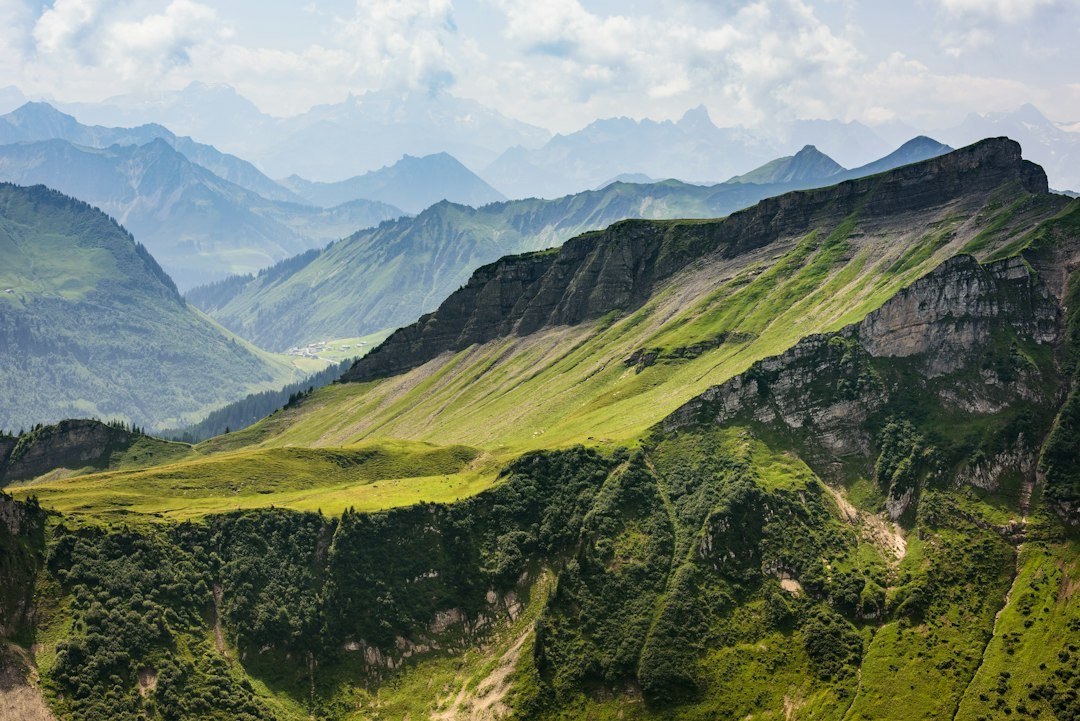
Yerevan will host the seventeenth Conference of the Parties to the Convention on Biological Diversity, known as COP17, from 19 to 30 October 2026, bringing national delegations to Armenia for what organisers describe as the first comprehensive worldwide review of progress against the Kunming-Montreal Global Biodiversity Framework since governments adopted it in 2022.
That framework commits signatories to protecting 30 per cent of the planet’s land and sea areas by 2030, restoring degraded ecosystems and halving the flow of harmful subsidies that drive habitat loss. COP17’s central task is to measure, country by country, how far that commitment has actually travelled since 2022, using national reports and updated biodiversity strategies that parties were required to submit in the run-up to the summit.
Financing is expected to dominate the two weeks of talks. Negotiators will revisit the framework’s financial mechanism and the broader question of how far wealthier nations have met pledges to mobilise money for conservation in lower-income countries, an argument that has repeatedly stalled previous biodiversity summits. The conference’s monitoring framework, which sets out how the Kunming-Montreal targets are tracked and reported, is also up for review, alongside rules on digital sequence information, the genetic data drawn from plants, animals and microbes that increasingly underpins biotechnology and pharmaceutical research.

Delegates will also consider a new Gender Action Plan addressing women’s role in biodiversity conservation, and sessions dedicated to the links between biodiversity loss, climate change, agriculture and invasive species, reflecting a shift in recent COPs towards treating these pressures as connected rather than separate policy tracks. The summit runs alongside the twelfth Meeting of the Parties to the Cartagena Protocol on Biosafety and the sixth Meeting of the Parties to the Nagoya Protocol on Access and Benefit-Sharing, both of which feed into the main biodiversity negotiations.
For countries across the Global South, the stocktake carries particular weight. Many of the ecosystems richest in species, from the Western Ghats to the Amazon and the forests of Central Africa, sit within lower- and middle-income nations that argue they cannot meet 30-by-30 targets without sustained international financing and technology transfer. Armenia’s own environment ministry has promoted the summit as a chance to showcase biodiversity work in the South Caucasus, a region whose mountain and steppe ecosystems rarely feature in global conservation debates.
Observers caution that the review is unlikely to produce dramatic new commitments. Instead, COP17 is expected to function as a mid-course correction, identifying which countries are falling behind their 2030 targets and adjusting the monitoring and financing architecture accordingly, ahead of a fuller assessment expected at COP18. Civil society groups have signalled they will use the Yerevan talks to press for firmer deadlines on phasing out subsidies that harm biodiversity, an area where progress since 2022 has been described by several observer organisations as the framework’s weakest link.
The outcome of the financing and monitoring discussions in Yerevan will shape how much pressure reaches national governments to accelerate conservation commitments over the remainder of the decade.
Armenia has framed the summit as an opportunity to draw attention to biodiversity in the South Caucasus, a mountainous region that straddles several distinct ecological zones but has historically received a fraction of the international conservation funding directed at tropical hotspots. Hosting COP17 gives Yerevan a platform to argue that temperate and steppe ecosystems deserve a larger share of global biodiversity financing, a case that lower-profile regions across the Global South, including parts of the Western Ghats and Central Asia, are expected to echo during the two weeks of talks.
Related reading: Brazil’s 25 October runoff pits two Amazon policy visions against each other, on how the country’s presidential race could shape one of the ecosystems most central to this month’s biodiversity talks.



