
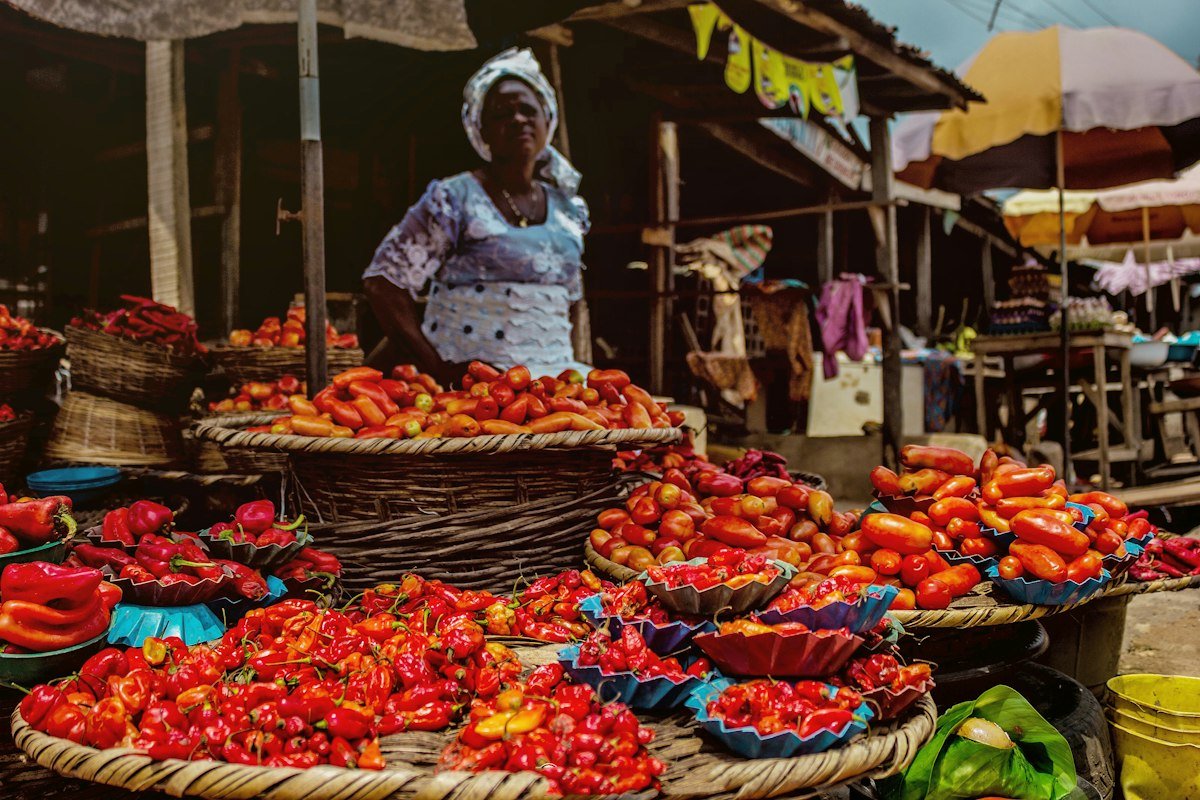
About 3.9 million Nigerian children are affected by wasting, a measure of low weight for height that points to acute malnutrition. The figure comes from Dr Ibukun Afolami, a nutrition scientist at the University of Ibadan. She described the scale of Nigeria child malnutrition as a persistent problem that cuts across regions and income groups. The debate over the issue comes as rising food prices and strained budgets weigh on households nationwide.
The 2024 Nigeria Demographic and Health Survey recorded stunting in 40% of children under five, wasting in 8%, and underweight in 27%. These figures measure separate conditions and should not be added together. Stunting reflects long-term deprivation that limits growth over years and is difficult to reverse once established. Wasting reflects a sudden and acute shortage of food, often requiring urgent treatment. Underweight combines elements of both over a shorter period and is sometimes used as a general screening indicator. Taken together, the three measures describe overlapping but distinct forms of Nigeria child malnutrition, each requiring a different kind of response.
Afolami also pointed to rising overweight and obesity among Nigerian children and adults, trends she linked to higher risks of diabetes and stroke later in life. She gave no specific figures for these conditions. She said they now sit alongside undernutrition as a growing public health concern, with underweight and overweight sometimes present within the same community. She made the remarks at the 2026 Nestle Business Journalism and Nutrition Programme, organised with Pan-Atlantic University, where researchers and media professionals examined Nigeria’s food and nutrition landscape.

Income shapes what families eat
Dr Richard Ikiebe, a media scholar and public affairs professional, told the same programme that diet in Nigeria depends heavily on income. He said rising food prices, persistent inflation and widening poverty are steadily eroding households’ purchasing power, forcing families to change what they buy and eat. For many, he argued, nutrition choices are dictated less by awareness and more by what a household can afford that week. As incomes fail to keep pace with costs, he said, families often substitute cheaper, less varied foods for the balanced diets nutrition campaigns recommend.
Both experts traced the problem to weaknesses across the food system, including how food is produced, made available, priced, marketed and governed through public policy. Insecurity in farming regions, transport difficulties and inadequate storage all contribute to food losses that reduce supply and push up prices for consumers. Produce that spoils before reaching markets never reaches household plates at all, compounding the effect of higher prices. Many households have responded by cutting protein from meals, while higher bread costs have added further strain to already stretched budgets. The findings arrive days before Lagos’s World Food Day programme, which will bring similar food-system questions into public view this year.
Journalists urged to look beyond diet advice
Neither expert proposed a specific government programme to address the figures. Instead, they urged journalists covering nutrition to investigate the economic, political and social conditions that shape food choices, rather than repeating general healthy-eating advice. Ikiebe said reporting should connect household experiences directly to weaknesses in the food system, rather than treating diet as a matter of personal choice alone. Coverage that stops at dietary recommendations, he suggested, misses the pricing and supply pressures that determine what ends up on a plate.
Both speakers also called for closer scrutiny of the actors who control different stages of the food chain, from producers and transporters to retailers and policymakers. They argued that understanding who sets prices and controls supply helps explain why malnutrition persists in Nigeria. Their comments add detail to a wider picture in which stunting, wasting and underweight remain widespread among Nigerian children, despite years of nutrition programming across the country.



