
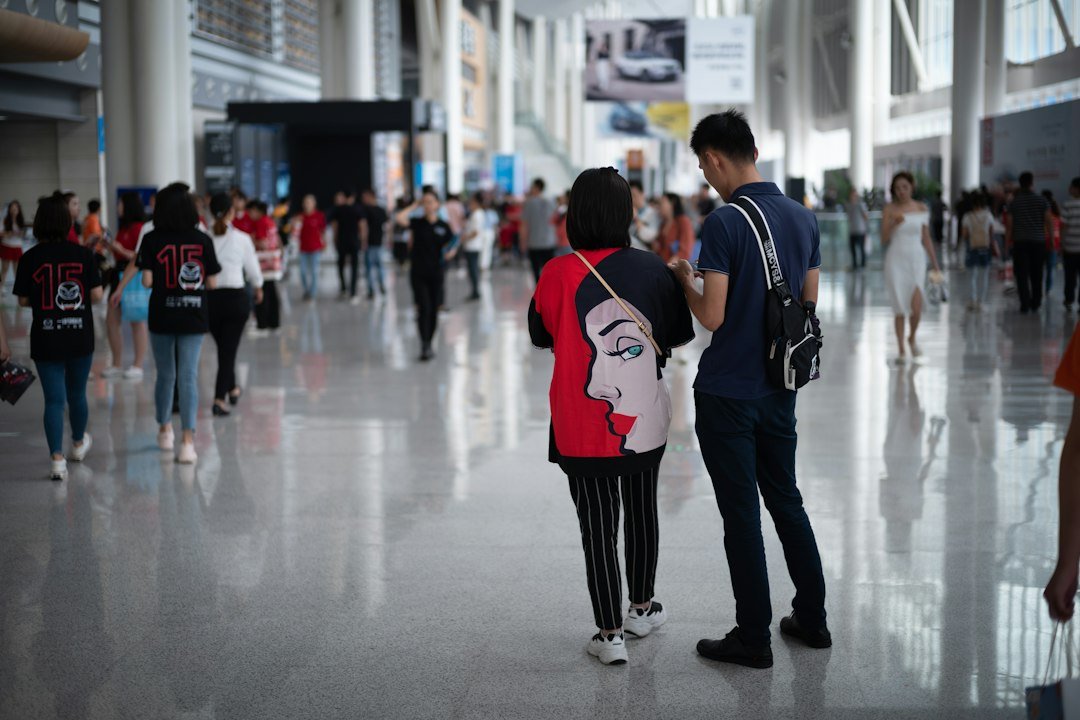
Global Food Week opened at the ADNEC Centre in Abu Dhabi from 6 to 8 October, organised by the ADNEC Group in partnership with the Abu Dhabi Agriculture and Food Safety Authority and held under the patronage of Sheikh Mansour bin Zayed Al Nahyan. This year’s edition named India as Guest of Honour, giving the country a dedicated pavilion where companies, exporters and brands could meet government entities, buyers and investors across three days of programming.
India’s presence spanned food and agriculture, exports and market access, retail and logistics, packaging and technology, and finance and investment, according to the official announcement carried by Zawya and the Emirates News Agency. Planned activities included business-to-business meetings, brand showcases and investment discussions between Indian and Gulf companies, alongside a broader cultural programme celebrating India’s cuisine, creativity and community that organisers described without detailing specific events.
New for this year was Shop at the Show, a retail platform letting producers sell directly to visitors through dedicated shopping areas stocked with food, beverages, honey, dates and agricultural goods from local and international brands. Independent coverage from Gulf News described the 2026 edition as the event’s biggest yet, reflecting steady growth in exhibitor interest since Global Food Week’s earlier editions.

A summit-heavy calendar
Global Food Week shared its venue and dates with the Global Food Security Summit, running 6 to 7 October, and the AgriTech Forum, running the full three days. The programme also included the Abu Dhabi Honey Symposium held with Apimondia, featuring a field day on 8 October, and an FAO Policy Majlis on 7 and 8 October, positioning the event as much around policy and food-security diplomacy as around commercial trade.
For Kerala and other Indian exporters eyeing Gulf markets, India’s Guest of Honour status offers a higher-profile entry point than in previous years, with organisers emphasising retail, logistics and investment matchmaking rather than purely ceremonial participation. Spice, seafood and agricultural exporters from southern India have increasingly looked to Gulf food trade events as a channel for building direct retail and food-service relationships in the region.
Food security diplomacy on display
The summit’s focus on food security diplomacy reflects the Gulf region’s continued push to diversify import sources and build resilience into its food supply chains, a priority that has intensified since recent years of volatile global grain and vegetable oil prices. Abu Dhabi has positioned itself as a hub for this conversation, drawing government delegations and agribusiness leaders from across Asia, Africa and the Gulf to the same three-day calendar.
With the event having closed on 8 October, attention now turns to how many of the trade discussions and investment conversations held on the pavilion floor translate into signed deals over the coming months, a measure organisers and participating governments will be watching closely.
The India pavilion’s emphasis on retail and logistics matchmaking, rather than ceremonial displays alone, reflects a broader shift in how Gulf food trade events are positioning themselves, as host governments compete to offer exporters tangible commercial outcomes rather than just exhibition space. Industry observers say the real test of this year’s India partnership will come in the months after the show, when procurement teams from Gulf retailers and food-service companies either follow through on pavilion conversations or let them lapse, a pattern that has varied widely across previous Guest of Honour countries at similar regional events.



