
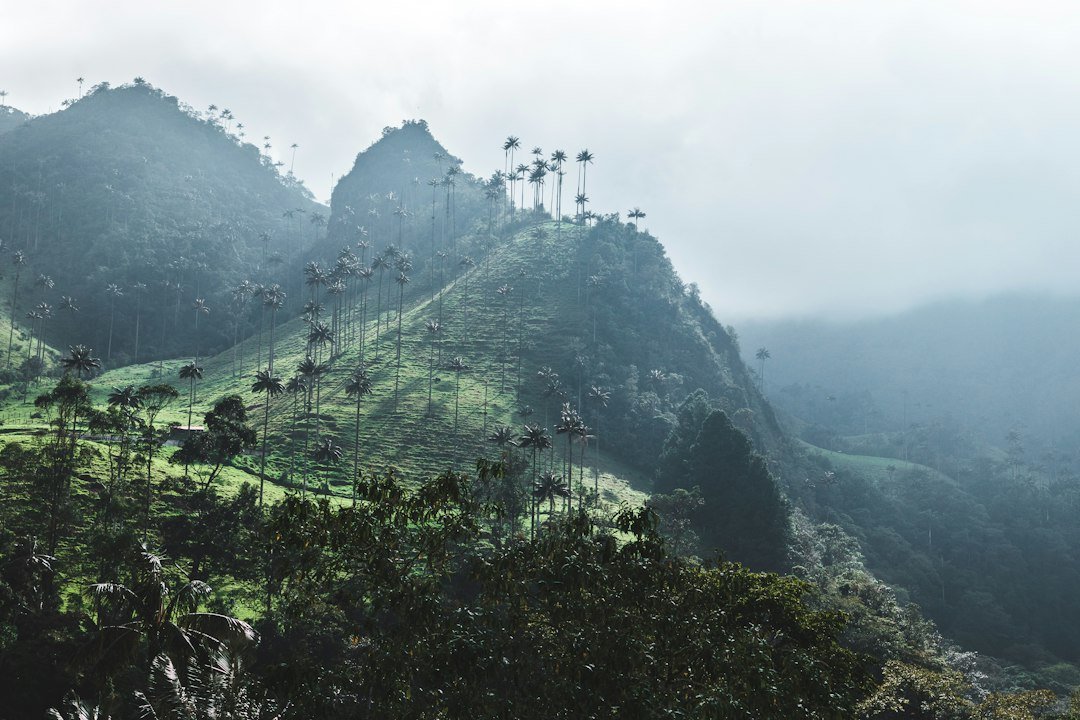
Colombia’s coffee production fell 15 percent in the 2025-26 crop year, which ran from 1 October 2025 to 30 September 2026, closing at 12.65 million 60-kilogram bags compared with 14.87 million the previous cycle, according to data from the Federación Nacional de Cafeteros reported by Valora Analitik. Year-to-date output through September reached 8.95 million bags, 10 percent below the same period a year earlier.
September itself bucked the downward trend, with production rising 6 percent to 1.21 million bags compared with the same month last year, and exports for the month climbing 9 percent to 1.172 million bags. For the full crop year, however, exports totalled 11.78 million bags, down 12 percent, while the federation’s own trading arm handled 2.54 million bags, a 21.5 percent share of national exports, up from 19.8 percent the previous cycle.
Federation manager Germán Bahamón pointed to climate conditions, plantation productivity and the profitability of growing families as the three factors that will shape the sector’s ability to meet demand going forward, rather than naming a single cause for the decline. Domestic consumption held at 2.32 million bags for the year, while Colombia imported 1.61 million bags over the past 12 months to supplement its own supply for export blending.

A regional divide within the crop
The weakness has not been evenly spread across Colombia’s coffee-growing departments. Growers in Antioquia, Caldas and Risaralda reported declines of as much as 30 percent in the mitaca, the smaller mid-year harvest, after torrential rain since late 2025 disrupted flowering, the stage that determines how much fruit trees eventually bear. One large grower in southeastern Antioquia described the mitaca bluntly: output had dropped by half on some farms.
Newer growing areas have fared better. In Nariño, output rose about 30 percent over the same period last year, according to Armando Benavides of the local coffee committee, while cooperative manager Luis Carlos Burbano said forecasts for the main harvest there were strong. Huila’s outlook remains mixed, with growers expecting a smaller crop than last year despite trees carrying heavy fruit loads.
Falling output meets a rising global supply
Colombia’s decline comes as the United States Department of Agriculture forecasts global coffee production will rise 6 percent to a record 189.7 million bags in the 2026-27 year that is just beginning, driven mainly by a bumper Brazilian harvest. That divergence, Colombia’s traditional growing heartland shrinking while Brazil surges, illustrates how unevenly climate pressures are falling across the world’s coffee belt even as overall supply grows (see our separate report on the global forecast).
For Colombian growers, the immediate concern is less about global prices than about getting through a difficult harvest with enough income to invest in the trees for next season.
The federation’s trading arm expanding its share of national exports to 21.5 percent suggests growers are increasingly routing their coffee through the cooperative structure rather than private intermediaries, a shift that can offer more price stability but typically means slower payment than selling directly to exporters. Analysts tracking Colombia’s coffee economy say the coming mitaca and main harvest will be closely watched for signs of whether the newer growing belt in Nariño and Cauca can keep expanding fast enough to offset continued weakness in the traditional heartland departments. Exporters say buyers have so far shown little sign of switching away from Colombian beans despite the lower volumes, a reflection of the country’s continued reputation for quality Arabica even in a weaker production year.



