
By Ashish Nigam
As global population centers become increasingly urban and climate pressures mount, vertical farming is emerging as a transformative force in agriculture, with market projections suggesting explosive growth in the coming years.
The global vertical farming market, valued at $7.74 billion in 2024, is poised to reach $9.6 billion by 2025, reflecting the sector’s dramatic acceleration. Industry analysts project further expansion to $21.12 billion by 2029, marking a compound annual growth rate of 24 percent. This remarkable trajectory reflects both technological advancement and shifting consumer preferences toward sustainable, locally-sourced produce.

The Technology Stack
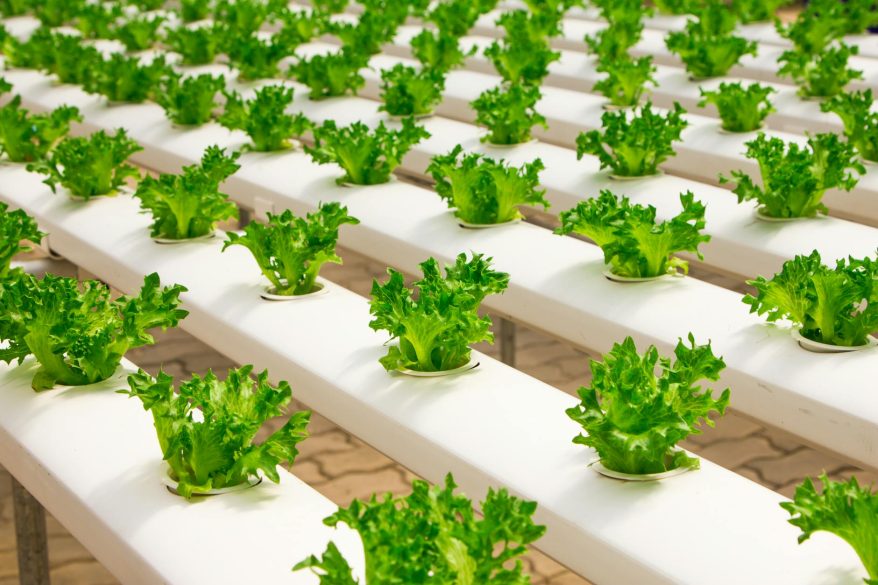
Modern vertical farming combines two revolutionary approaches: hydroponics and aeroponics. Hydroponics, the more widespread technique, involves growing plants in nutrient-rich water solutions without soil, enabling precise control over nutrient delivery and faster growth cycles. Aeroponics, its technological cousin, suspends plant roots in air, periodically misting them with nutrients. Both methods maximize space utilization and resource efficiency, making them ideal for vertical farming configurations.
These soil-less systems operate in controlled indoor environments, stacking multiple layers of crops to optimize space usage. The technology enables year-round production independent of external climate conditions, while reducing water consumption by up to 90 percent compared to traditional agriculture. Perhaps most significantly, these controlled environments eliminate the need for pesticides entirely.

Market Leadership and Growth
The North American market is spearheading this agricultural transformation, with projections indicating a 21.2 percent compound annual growth rate between 2025 and 2030. The United States market alone is expected to grow at 19.5 percent during the same period, driven by advances in renewable energy integration and soil-less cultivation techniques.
Beyond Traditional Agriculture
The implications of this growth extend far beyond market valuations. Vertical farms are fundamentally reshaping our approach to food security and urban sustainability. The industry is expanding beyond specialized growing facilities into retail spaces, research institutions, and educational initiatives, fostering broader consumer awareness and adoption.
Innovations in automated planting and harvesting systems, customized crop variants, and multi-layered farming systems are setting new industry benchmarks. The shift towards organic and locally sourced food is further driving vertical farming’s appeal, particularly in urban centers where consumers demand freshness and traceability.
Energy and Sustainability Challenges
Despite its promise, the sector faces significant challenges. The considerable electricity demand for lighting, climate control, and irrigation systems remains a primary concern. Industry leaders are increasingly turning to renewable energy sources, particularly solar and wind power, to address both operational costs and carbon footprints.
“The integration of renewable energy is crucial for the sector’s long-term viability,” says an expert. “It’s not just about growing food efficiently; it’s about doing so sustainably.”
Looking Ahead
While high initial capital costs and scalability limitations remain significant barriers to entry, the industry’s trajectory suggests these challenges will be progressively addressed through technological advancement and supportive policy frameworks.
The integration with smart city infrastructure and increasing investment in developing markets point to vertical farming’s expanding role. As global population growth and climate change pressures mount, these innovative farming methods are positioning themselves as crucial components of resilient, sustainable food systems.
For urban centers grappling with food security and sustainability challenges, vertical farming offers a compelling solution. Its ability to produce fresh, pesticide-free food year-round while minimizing resource consumption suggests that this is not merely a trend but a fundamental shift in agricultural practice for an urbanizing world.

Experience
Ashish Nigam is the General Manager at EverEnviro Resource Management Pvt Ltd. The views in this article are his own.