
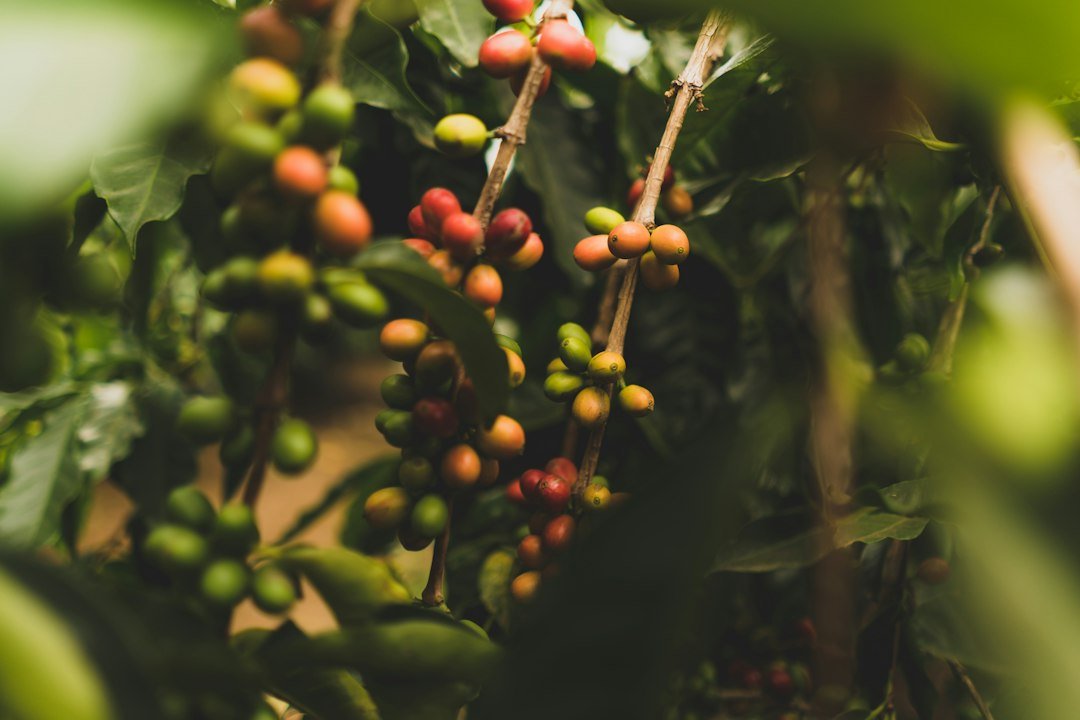
World coffee production is forecast to rise 6 percent, or 10.8 million bags, to a record 189.7 million 60-kilogram bags in the 2026-27 crop year that began this month, according to the United States Department of Agriculture. The increase is led by Brazil, where improved growing conditions are expected to push output to a record 71.9 million bags, up 14 percent year over year, the USDA’s Foreign Agricultural Service said in a June forecast cited by FoodBusinessMEA.
Globally, Arabica production is forecast to rise 12 percent, while robusta output is expected to fall slightly, down 0.7 percent, as growing regions respond differently to this year’s weather patterns. World ending stocks are projected to climb by 1.9 million bags to 26.3 million bags, suggesting buyers should have an easier time securing supply than in recent tight years.
Vietnam, the world’s largest robusta producer, is also contributing to the robust supply picture despite the dip in its own output category. The country’s January-to-June exports rose 7.3 percent year over year to 1.05 million metric tonnes, and its 2025/26 production is projected to rise 6 percent to 1.76 million metric tonnes, underscoring how much of the world’s coffee now flows through just a handful of producing nations.

Prices fall as supply outlook improves
Futures markets have already responded to the brighter supply outlook. September arabica contracts fell 2.29 percent and robusta contracts dropped 2.32 percent on the day the USDA forecast was published, as traders weighed Brazil’s slower-than-usual harvest pace and lingering El Niño concerns against the broader trend toward abundant supply. Rising robusta inventories and Vietnam’s strong export performance have added further downward pressure on prices.
The forecast illustrates how concentrated global coffee supply has become in a small number of producing countries. Brazil and Vietnam between them account for a large share of the projected increase, meaning weather shocks in either country carry outsized influence on prices paid by farmers and roasters worldwide.
Uneven gains across the coffee belt
Not every producing country shares in the upswing. Colombia, traditionally one of the world’s top three Arabica producers, closed its own 2025-26 crop year with output down 15 percent, as flowering disruptions from heavy rain hit several key departments (see our separate report on Colombia’s harvest). The contrast between Brazil’s surge and Colombia’s decline shows how unevenly a changing climate is affecting coffee-growing regions even within the same hemisphere.
For consumers, a record global harvest generally points toward steadier retail prices in the months ahead, though the benefit will depend on how quickly the improved supply works through shipping and roasting pipelines before reaching supermarket shelves.
Roasters in Europe and North America have told trade publications they expect to lock in forward contracts at more favourable terms than a year ago, betting that the larger harvest will hold through the main delivery season. That optimism carries some risk: Brazil’s harvest pace has already run slower than usual this year, and any further weather disruption during the remaining picking weeks could trim the record forecast before it is fully realised. For now, though, the direction of travel for global supply is firmly upward, a contrast with the tighter markets of recent seasons. Traders note that a bigger global harvest does not guarantee uniformly lower prices at the farm level in every producing country, since local currency movements and freight costs can still push domestic prices in different directions even as the world total climbs.



