
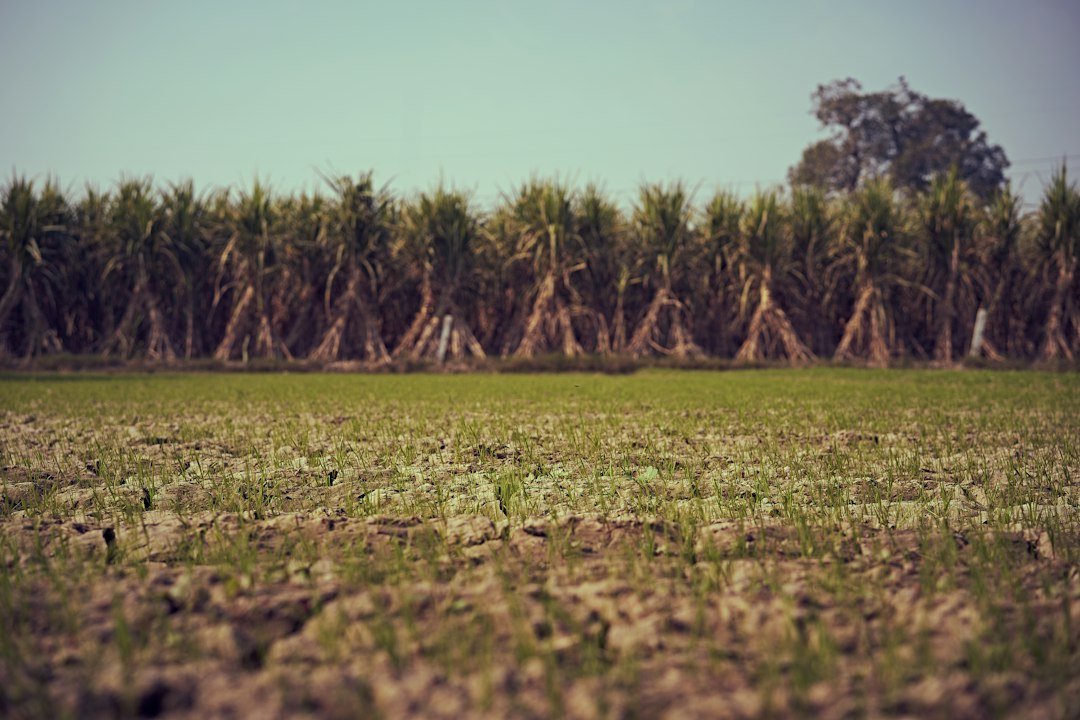
Thousands of sugarcane farmers gathered at Rani Chennamma Circle in Hubballi on 29 September, demanding Rs 5,500 a tonne for the 2026-27 crushing season, well above the central government’s fair and remunerative price. Organisers from the Karnataka Rajya Raitha Sangha and Hasiru Sene said growers from 31 of Karnataka’s districts joined the protest, along with farmers from neighbouring Maharashtra, Andhra Pradesh and Tamil Nadu.
The Centre set the fair and remunerative price at Rs 365 per quintal in May, which works out to roughly Rs 3,650 a tonne, far short of the farmers’ demand. Protesters also planned to march to the Hubballi residence and office of union minister Pralhad Joshi, who has pushed back on the criticism. “There is no need for you to protest or sit on the streets,” Joshi said on social media on 28 September, inviting farmers to Delhi for talks instead.
Joshi noted that the Centre does not set the fair price alone, pointing to a Press Information Bureau release that put the 2026-27 production cost at Rs 182 per quintal, meaning the official price already sits more than 100 percent above that cost. Farmer groups counter that rising labour, fertiliser, harvesting and transport costs have eaten into margins regardless of the formula used to set the price.

Demands beyond price
Alongside the headline price demand, protesters are calling for implementation of the Swaminathan Commission’s recommendations on farm pricing, a higher minimum selling price for sugar, and changes to how sugar mills allocate ethanol sales. Farmer leaders argue that mills have been slow to pass on profits from ethanol blending, which has become an increasingly important revenue stream for the sugar industry.
The protest adds to a string of farmer mobilisations across India’s sugar belt this season, as growers in several states push back against what they see as a widening gap between crushing-season prices and their actual cost of production. Karnataka is one of India’s largest sugarcane-growing states, and disruption to the crushing season there can ripple through mill supply chains nationally.
Talks offered, not yet scheduled
Joshi’s invitation to Delhi talks has not yet produced a confirmed date, and farmer leaders say they will continue mobilising until a firm commitment on price is made. With the crushing season already under way in parts of the state, growers are under pressure to settle the dispute quickly or risk cane rotting in the fields while negotiations drag on.
The standoff echoes earlier price disputes in Karnataka’s sugar sector, including unresolved payment arrears some mills owe growers from previous seasons, a grievance that farmer unions say has deepened mistrust ahead of this year’s harvest.
Karnataka is far from alone in facing this tension. Cane growers in Uttar Pradesh and Maharashtra have raised similar complaints in recent seasons, as the formula-based fair price has struggled to keep pace with input costs that vary significantly by region. Farmer unions argue that a flat national price formula fails to account for differences in labour costs and irrigation needs between states, a structural complaint that goes well beyond this season’s specific numbers. Mill owners, for their part, say they face their own margin pressure from sugar prices and ethanol policy, leaving little room to simply agree to the farmers’ asking price without wider policy changes. With crushing already under way in several districts, both sides have an incentive to settle quickly rather than let the dispute drag into the heart of the season.



