
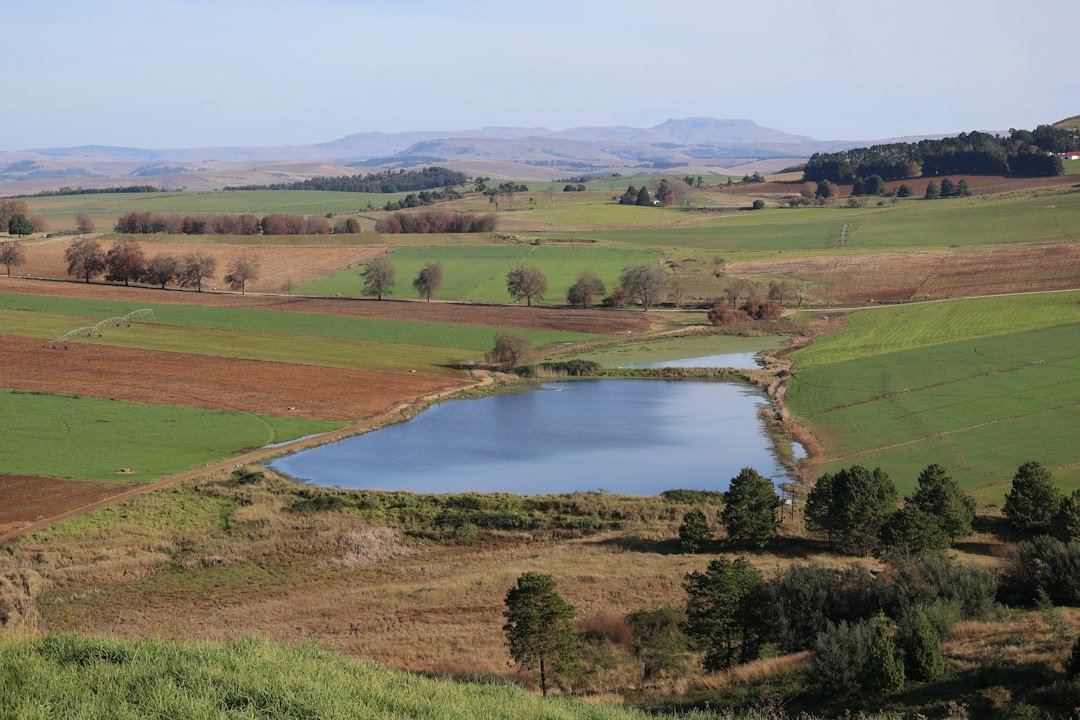
Nakuru County has released 26,000 fish fingerlings, 15,000 tilapia and 11,000 catfish, into Lakes Naivasha and Solai as part of a Sh4 million (roughly 24,000 GBP) restocking programme aimed at reversing years of fish depletion caused largely by illegal, unlicensed harvesting, according to the county government. Governor Lee Kinyanjui said the programme is designed to create jobs for unemployed young people while reducing poverty in fishing communities around the two lakes.
County executive committee member for agriculture Dr Immaculate Maina said the restocking is paired with tighter fishing rules, including closed seasons, restrictions on small-mesh nets, and upgraded Beach Management Units tasked with policing illegal fishing on Lake Naivasha, the only lake in the county where commercial fishing remains permitted, and only under strict controls. The Kenya Marine and Fisheries Research Institute is testing Lake Naivasha’s salinity levels before restocking proceeds further, since rising salinity has been a growing threat to the lake’s tilapia population.
Beyond the lakes themselves, the county is funding Sh40 million in support for raised fish ponds in Naivasha sub-county, an approach officials say works even in drier parts of the region where natural water bodies are scarce. The national government has contributed 1,000 pond liners to fish farmers taking up the scheme, while new county rules set a modest Sh2,000 licence fee for constructing a pond.

Training a new generation of fish farmers
The Rift Valley Institute of Science and Technology is training farmers to build and manage raised ponds, a skill county officials hope will spread fish farming beyond the areas immediately around Lakes Naivasha and Solai. Restocking is also planned for rivers and dams in Molo, Rongai, Kuresoi North and Kuresoi South sub-counties, extending the programme’s reach well beyond the two main lakes.
Lake Naivasha alone supports more than 10,000 people through fishing-related income, making its health a direct economic concern for the county rather than only an environmental one. Officials have pointed to illegal harvesting by unlicensed fishermen as the primary driver of the lake’s declining tilapia and catfish stocks in recent years, rather than pollution or climate factors alone.
A model county officials want to replicate
Governor Kinyanjui has framed fish farming as both a jobs programme and a poverty-reduction tool, arguing that raised ponds give farmers a way to diversify income without depending entirely on rainfall or lake conditions. “Fish farming is lucrative and can create jobs for the unemployed youth in the county and reduce poverty,” Kinyanjui said.
If the restocking succeeds in rebuilding lake stocks while the raised-pond programme takes root elsewhere in the county, Nakuru’s approach could offer a template for other Kenyan counties grappling with depleted inland fisheries and looking for ways to combine conservation with new livelihoods for young people.
Fish farming has lagged behind crops such as tea, coffee and horticulture in Kenya’s agricultural export story, but domestic demand for tilapia and catfish has grown steadily as urban consumers look for affordable protein alternatives to beef and chicken. County officials say the real measure of success will come in a year or two, once the current cohort of fingerlings has matured and officials can assess whether lake stocks have genuinely recovered or whether illegal fishing pressure has simply absorbed the new releases. Either outcome will shape how much further the county invests in restocking versus doubling down on the raised-pond alternative.



