
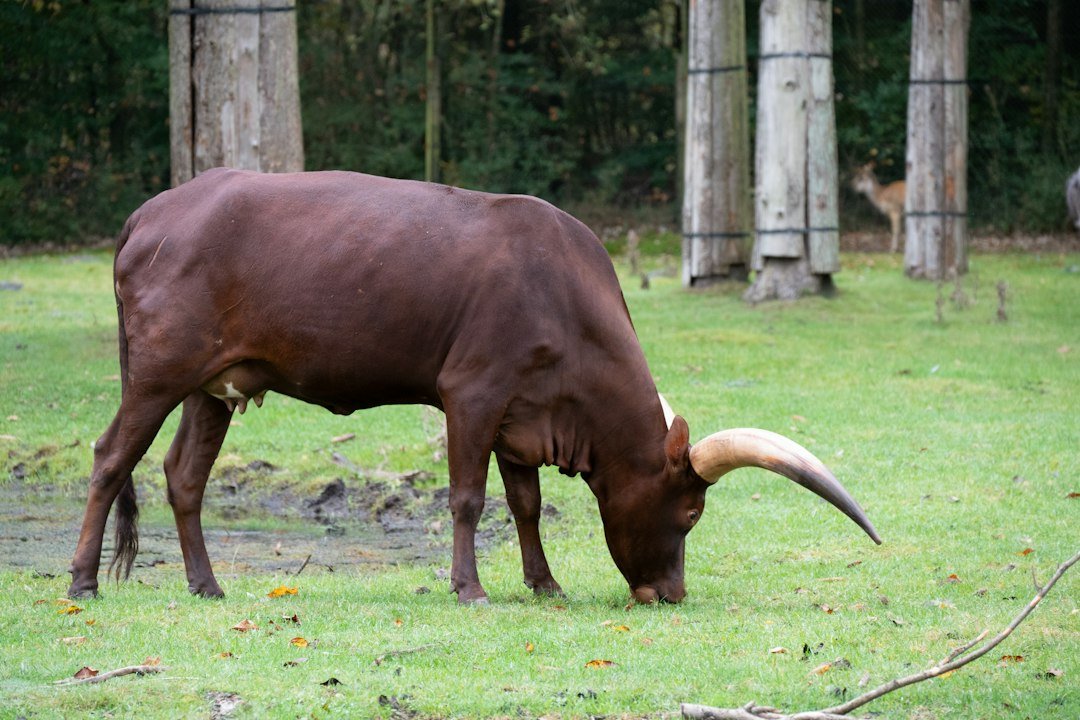
Namibian authorities have escalated enforcement against illegally imported and administered foot-and-mouth disease vaccines, warning that unauthorised vaccination of cattle undermines the country’s ability to prove it is disease-free, a status that underpins its beef export agreements. Officials said cattle found to have been vaccinated outside official veterinary programmes face culling, according to AllAfrica’s coverage of government statements earlier this year.
The crackdown follows warnings from the agriculture ministry that illegal FMD vaccines and livestock smuggling across Namibia’s northern borders threaten both the country’s disease-free status and recently signed meat export agreements, including arrangements with Ghana. A separate task force was set up as foot-and-mouth disease continued to spread across parts of southern Africa, according to Ecofin Agency, reflecting growing regional concern about cross-border livestock movement spreading the virus between countries.
Namibia’s Zambezi region has a documented history of FMD outbreaks tied to illegal cross-border cattle movement from Zambia, where gene sequencing of earlier outbreaks traced the virus to strains circulating there. Officials have previously ordered vaccine shipments costing millions of Namibian dollars and set up roadblocks at border crossing points to intercept unlicensed livestock movement, measures that remain part of the country’s broader containment strategy.

Trade stakes behind the enforcement
Namibia has worked for years to build a reputation as one of the few African countries with FMD-free zones certified by the World Organisation for Animal Health, a status that opens higher-value export markets than countries without it can access. Illegal vaccination muddies that picture because vaccinated animals can appear healthy while still carrying or transmitting the virus, making it harder for inspectors to certify herds as genuinely disease-free.
This enforcement escalation follows directly from the disease pressure The Fourth Plate reported on 12 October, when Namibia’s southern livestock zone recorded its first outbreak in 60 years and the European Union suspended imports of Namibian beef. Taken together, the two situations illustrate how FMD risk in Namibia is a recurring, multi-front challenge rather than a single contained incident, with authorities fighting both the disease itself and the informal vaccine trade that complicates efforts to stamp it out.
Farmers caught in the middle
For cattle farmers, the crackdown creates a difficult balance: unauthorised vaccines may offer cheaper, faster protection against a disease that can devastate a herd, but using them risks having otherwise healthy animals culled under the new enforcement push. Veterinary officials say farmers should rely only on vaccines distributed through official government programmes, even though wait times and limited vaccine stocks have at times pushed farmers toward informal suppliers.
The government has signalled that it intends to maintain strict border patrols and movement restrictions for the foreseeable future, framing the fight against illegal vaccines as inseparable from protecting the export earnings that Namibia’s commercial and communal cattle farmers depend on.
Veterinary officials say the longer-term fix lies in expanding the reach of official vaccination campaigns so farmers have less reason to turn to informal suppliers in the first place, alongside continued investment in border surveillance. Regional cooperation also matters: since Namibia’s outbreaks have repeatedly been traced to livestock movement from Zambia, officials say any durable solution will depend on coordinated disease control efforts between the two countries rather than unilateral action on the Namibian side of the border alone. Communal farmers in the affected border areas say they support stronger disease control in principle but worry that culling animals vaccinated in good faith, without knowledge the vaccine was unauthorised, could unfairly punish households who had no way of verifying the product’s origin.



