
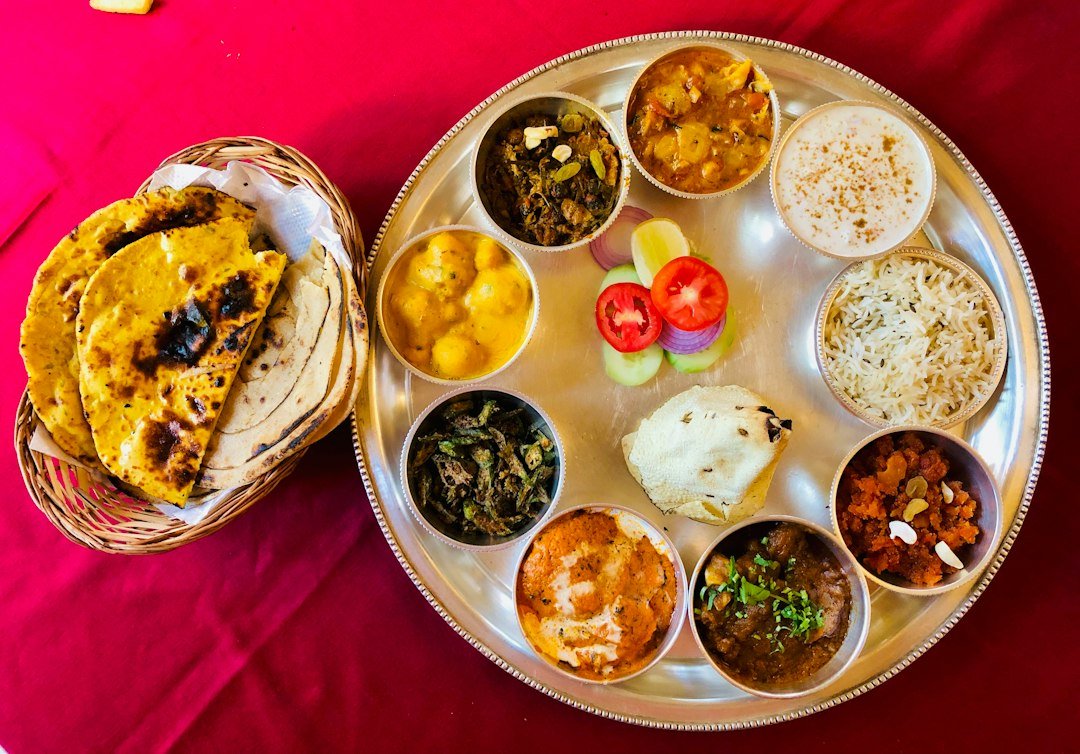
Kashmir’s wazwan, a multi-course meat feast with roots traced back some 600 years to Persian and Central Asian culinary traditions, is adapting to a changing economy as rising costs push families to rethink a tradition long measured by its scale. A Reuters report published on 30 September 2026 documented how the feast, which can traditionally stretch to dozens of dishes served at weddings, is increasingly being trimmed, restructured or outsourced to caterers as couples and families weigh its cost against other financial pressures.
A full traditional wazwan is built around a sequence of meat preparations, most of them lamb or chicken-based, cooked by specialist chefs known as wazas whose skills are passed down within particular families and communities. Dishes such as rista, gushtaba and tabak maaz each follow exacting preparation methods, and a wedding feast’s reputation has traditionally rested on the number and quality of courses a family could afford to serve, with grander weddings offering more courses as a visible marker of hospitality and status.
That scale-as-status logic is now colliding with a separate and more sensitive economic pressure, according to reporting from Kashmiri outlets: the cost of hosting a lavish wazwan wedding has become entangled with decisions about when, or whether, families feel able to marry off children at all, with some accounts describing the expense as a contributing factor in delayed marriages in parts of the valley.

Shorter menus, hired caterers, the same ritual
Families adapting to cost pressure are not abandoning the wazwan itself so much as renegotiating its scale: fewer courses, smaller portions, or catering arrangements that replace the traditional practice of a family’s own wazas cooking for the full guest list. Some households now serve wazwan-style dishes to close family while offering simpler fare to the wider gathering, a hybrid approach that preserves the feast’s symbolic presence at a wedding without its full historic cost.
Caterers who specialise in wazwan have in turn built businesses around offering tiered packages, allowing families to select a set number of courses rather than committing to the open-ended hospitality that defined the tradition historically. That shift has created a small but growing commercial sector around a practice that was, within living memory, conducted almost entirely within extended family and community networks rather than through paid contractors.
A tradition under pressure, not disappearing
Chefs and cultural commentators interviewed in the reporting describe the changes as adaptation rather than decline, noting that wazwan remains central to Kashmiri wedding identity even as its format shifts. The deeper question families are navigating is not whether to serve wazwan, which remains close to non-negotiable at a Kashmiri wedding, but how to reconcile that expectation with household budgets that have not kept pace with the tradition’s historic scale, a tension likely to keep reshaping the feast’s format in the years ahead.
The wazas themselves, whose craft has traditionally passed within families across generations, face their own adjustment as smaller, caterer-brokered events change the scale and structure of the work available to them. Some have begun training a new generation of cooks specifically for the catering model rather than the old household-commissioned one, a shift that may ultimately preserve wazwan’s techniques even as the social context in which they are deployed continues to change. Food historians following the shift say the underlying recipes and cooking methods have so far stayed largely intact, with the economics of presentation, rather than the cuisine itself, absorbing most of the pressure to change. That economic pressure has a sharper edge elsewhere this season, where Palestinian farmers are fighting to complete their olive harvest amid settler attacks on groves central to rural livelihoods.



