
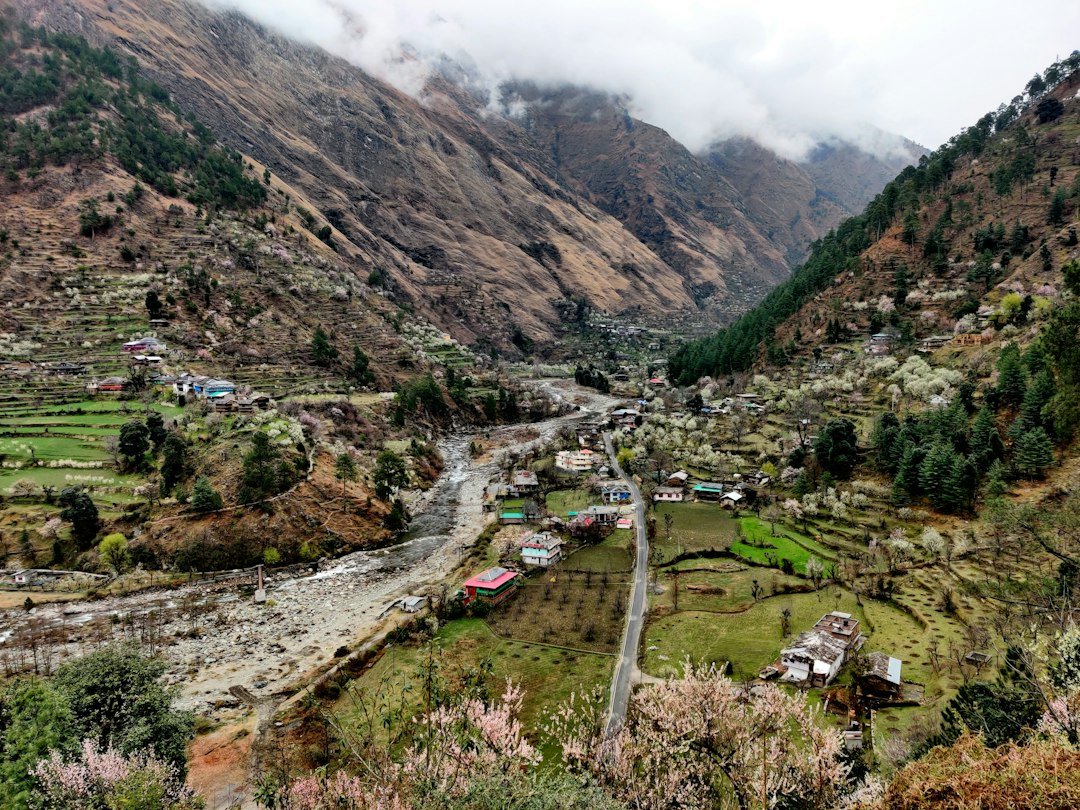
The World Bank has estimated that flash floods and landslides along Nepal’s Bhotekoshi and Trishuli river systems caused 1.66 billion US dollars (about 1.25 billion pounds) in direct physical damage, according to an assessment reported on 9 October 2026. The figure covers damage to roads, bridges, irrigation systems, farmland and other physical infrastructure, and comes as Nepali officials begin the slower task of costing a reconstruction programme that finance minister Swarnim Wagle has said could run into several billion dollars once indirect losses are included.
The flooding struck in the weeks before the assessment, triggered by intense monsoon-season rainfall that caused rivers in Nepal’s mountainous terrain to surge well beyond their banks, sweeping away roads, bridges and farmland across several districts. Nepal’s hydrology means that damage from events like this is rarely confined to the immediate flood path: landslides triggered by saturated slopes can block rivers temporarily and then release sudden surges downstream, compounding harm to communities that had already begun recovering from the initial flooding.
Agriculture is among the sectors the World Bank’s damage figure captures, since flooding of this scale typically destroys standing crops, washes away topsoil, and damages the small-scale irrigation channels that many Nepali farming communities depend on. For a country where agriculture still employs a large share of the workforce, damage to farmland compounds the immediate humanitarian impact of the floods with a slower-moving economic one that can depress rural incomes for one or more growing seasons.

A damage figure, not yet a reconstruction plan
The World Bank’s 1.66 billion dollar estimate is explicitly a physical damage assessment rather than a reconstruction budget, and the two figures tend to diverge once the costs of restoring services, supporting displaced households and rebuilding to more flood-resilient standards are added in. Wagle’s reference to a bill running into several billion dollars reflects that broader reckoning, and Nepali officials have indicated that external financing, likely including World Bank and other multilateral support, will be needed to close the gap between available domestic resources and the scale of the rebuild.
How quickly that financing materialises will shape whether farmers in the affected districts can resume planting on damaged land before the next growing season, or face a second consecutive season of reduced output. Reconstruction programmes in similar past events in Nepal have sometimes taken years to fully disburse, even when pledges were made quickly after the disaster.
Mountain infrastructure remains structurally exposed
Nepal’s road and bridge network is disproportionately vulnerable to this kind of event because so much of it runs along river valleys in steep terrain, with few alternative routes when a crossing is destroyed. That geography means a single flood event can cut off entire districts from markets and services for extended periods, independent of how quickly reconstruction funding arrives, and raises a recurring question for Nepali planners: whether rebuilt infrastructure should be sited and engineered differently to reduce exposure the next time rivers surge.
Donor governments and multilateral lenders have previously urged Nepal to build back with higher flood and landslide safety margins rather than restoring roads, bridges and irrigation to their pre-disaster specifications, but doing so typically costs more up front at a moment when the country is already under pressure to reopen damaged routes quickly. That tension between speed and resilience is likely to shape how the World Bank’s damage estimate eventually translates into an actual reconstruction programme on the ground. The floods arrive against a wider backdrop of El Niño-linked weather extremes now forecast across Africa, Asia and the Pacific for the season ahead.



