
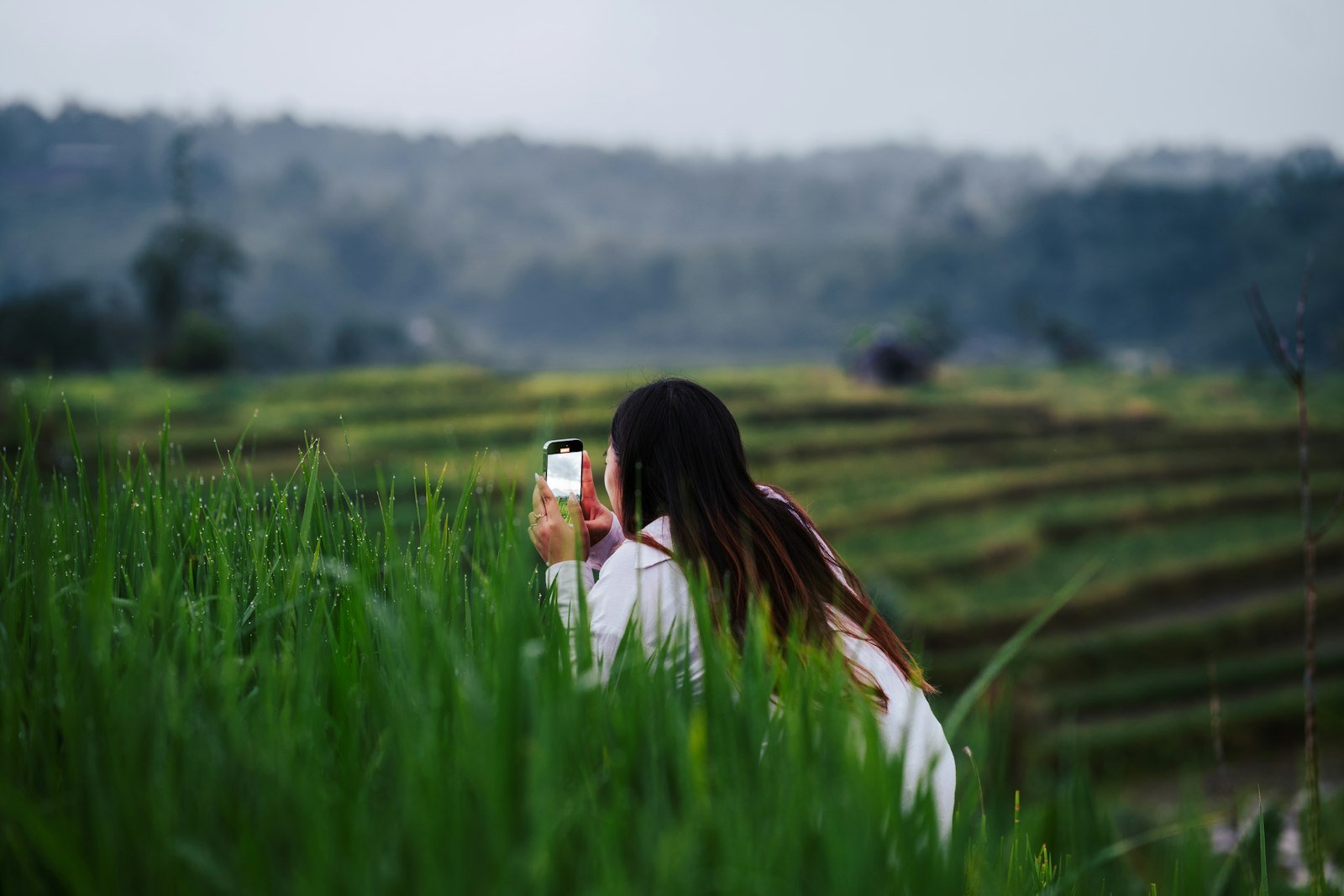
At the World Food Forum 2026 in Rome, a session hosted by the International Food Policy Research Institute (IFPRI) asked whether digital tools are actually reaching women farmers, and whether women’s own knowledge will shape the technologies meant to serve them. The 15 October discussion examined familiar technical questions around access, bias and data risk, but reframed them around a harder question of agency: do women control the tools and information meant to empower them, or are they passive recipients of solutions designed elsewhere?
The forum ran from 8 to 16 October under the theme “Innovate today. Nourish tomorrow,” bringing together government officials, researchers and farmer representatives from across the Global South. IFPRI framed its session as addressing access, agency, bias, exclusion and data risk together, rather than treating access to devices and connectivity as the only measure of digital inclusion in agriculture. That framing shifts the emphasis from distribution, meaning which devices and services physically reach farms, to governance: who decides how a technology is built, who owns the farm data it generates, and whether local knowledge is encoded into the tool or simply ignored by it.
A separate forum session looked specifically at young women and long-term systems change, focusing on solutions, partnerships and investment priorities intended to make food, land and water systems more equitable, resilient and sustainable through 2050. Its inclusion alongside the IFPRI session underlines the forum’s two-track approach: immediate questions about who is included in today’s digital agriculture rollouts, and longer-term questions about how investment and system design should change over the coming decades.

Access is easier to fund than agency
FAO’s own World Food Day materials, published as part of the same programme, place technological innovation alongside traditional knowledge and inclusive approaches, tying the IFPRI questions to a broader narrative promoted across the forum: that new tools should not displace local knowledge or bypass inclusive governance. The framing nonetheless remains policy-oriented. Neither the IFPRI session nor the FAO materials supplied empirical evidence that digital tools have already improved outcomes for women farmers on the ground.
Participants explored how design choices embed assumptions about who the end user is. Bias in algorithms trained on incomplete data, exclusionary rollouts that favour farmers who already own smartphones, and risks attached to how agricultural data is stored and shared were all raised as live concerns. These are technical and institutional problems at once, since they can be addressed by engineers, funders and regulators, but only if women’s perspectives shape funding and design priorities from the outset rather than being consulted after a product is already built.
A policy intent, not yet an outcome
The debate in Rome flagged a practical tension that donors and governments will have to work through. Advocacy for wider access to devices or mobile connectivity is comparatively easy to measure and fund, since success can be tracked in units shipped or SIM cards activated. The harder work of shifting power relations around data ownership, platform governance and design priorities is far less straightforward to measure, which is part of why it tends to receive less sustained investment than access alone.
Crucially, the Rome session recorded policy intent rather than a measured outcome. The central question IFPRI posed, whether women’s knowledge and perspectives will genuinely shape the digital transformation of farming, remains unresolved, and nothing in the forum’s published materials claims that a specific platform or programme has already lifted women farmers’ yields or incomes. The practical test going forward is institutional: who designs each service, who is able to use it, who owns the information it collects, and whether women’s own knowledge changes the decisions made with that information. A parallel debate over who controls agricultural innovation plays out in new maize-breeding research, where candidate genes for drought tolerance still await field validation.



