
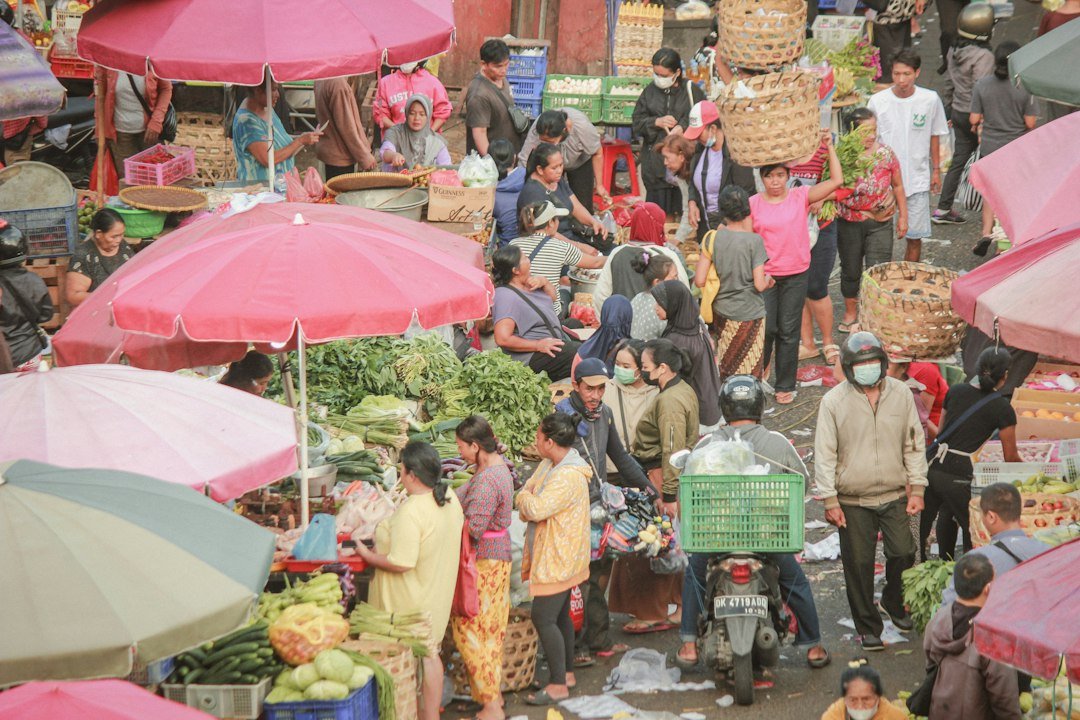
Indonesia’s Ministry of Tourism ran the second edition of Wonderful Indonesia Gastronomy from late September through early October. The festival’s theme, “From Local Roots to Global Recognition,” set its intent plainly. Officials want regional food to work as a tourism and export asset, not merely a backdrop to travel.
The festival spanned six cities: Solo, Yogyakarta, Jakarta, Bali, Semarang and Surabaya. It spotlighted local ingredients, heritage markets such as Pasar Gede in Solo, and palace-style dining traditions linked to the Mangkunegaran royal house. Indonesian state broadcaster RRI and the Singapore-based trade publication TTG Asia both covered the events. New editions of the Indonesia Gourmet Guide, a government-backed culinary reference, launched alongside the festival.
Food as the country’s second-biggest tourism draw
Government data cited at the festival found that 58% of Indonesia’s international visitors in 2025 took part in culinary activities during their trip. That makes food the country’s second-largest tourism draw, after its beaches and nature sites. The figure has pushed the tourism ministry to treat gastronomy as a distinct strategic category, rather than a secondary attraction bundled into broader destination marketing.

The emphasis on heritage markets and palace cuisine reflects a deliberate choice. Organisers chose depth and specificity over a generalised “Indonesian food” pitch to international visitors. Pasar Gede, a century-old market in Solo, offers a lived, working food culture that package-tour dining experiences often cannot replicate. Mangkunegaran palace dining ties cuisine to a specific royal lineage, with culinary techniques developed over generations within the Javanese court tradition.
A regional pattern in food-led tourism branding
Indonesia’s approach fits a wider regional trend. Governments across Southeast Asia increasingly treat food heritage as both cultural preservation and economic strategy at once. Efforts elsewhere range from UNESCO recognition campaigns for specific dishes to state-backed culinary tourism boards. The shared calculation is simple: food offers a lower-cost, higher-authenticity tourism pitch than large infrastructure-dependent attractions.
For Indonesia specifically, spreading the festival across six cities carried its own logic. Jakarta and Bali are the two destinations most familiar to international travellers, so organisers chose not to concentrate the festival there. The aim was to redirect some tourist spending toward secondary cities with strong culinary identities but less existing visitor infrastructure. Solo and Semarang, in particular, receive a fraction of the foreign visitors that Bali does, despite having deep, distinct food traditions of their own.
Whether the festival actually shifts visitor behaviour, rather than simply generating event-week attention, will not be clear until next year. Tourism arrival and spending data broken down by city should offer the first real test. Tourism economists note that culinary festivals often draw strong domestic attendance and media coverage. That does not always convert into the longer-stay, higher-spending international visits that government strategies typically target.
Indonesia has not said whether Wonderful Indonesia Gastronomy will become an annual fixture, or continue rotating through different city selections in future editions. Given the scale of government investment already committed, including the Gourmet Guide’s publication costs and multi-city event logistics, tourism officials are likely to face pressure to show measurable results. That is the test facing many government-led cultural tourism initiatives, once the initial launch publicity fades.
A multi-city format, by design, invites exactly this kind of follow-on itinerary, pairing Solo’s markets with Bali’s home-dining experiences within a single trip. Whether private tour operators build and sell such routes is a fair test of the festival’s reach. Doing so would show something more durable than one city’s food scene folded into a standard beach-and-temple package. It would suggest the festival’s pitch has actually reshaped how Indonesia is marketed abroad.



