
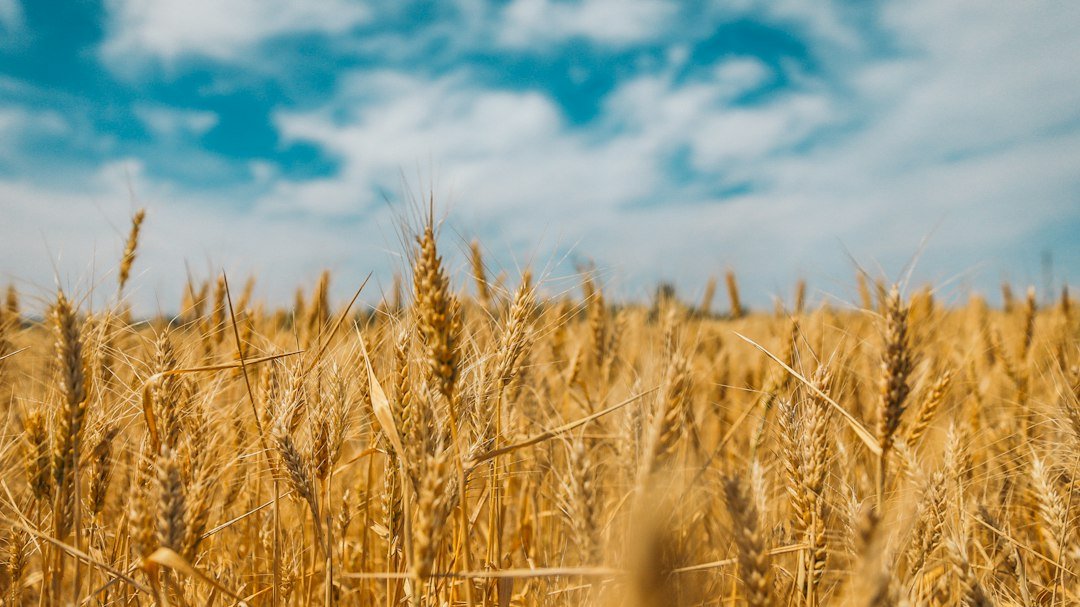
OlsAro, an agricultural technology company spun out of Lund University and the University of Gothenburg, has closed a 5 million euro seed round. The Swedish investment group Industrifonden led the funding. The money will scale an AI platform that matches genetic markers to climate-resilience traits in cereal crops. The first target is salt-tolerant wheat for South Asia’s salt-affected farmland.
The wheat is already in field trials in Uttar Pradesh and Bihar, two Indian states where rising soil salinity has pushed some farmers away from wheat. OlsAro is targeting a 2027 commercial launch in Bangladesh through a licensing partner. Salinity intrusion in the Ganges delta already affects an estimated one million hectares of cropland there.
Why salinity is a delta-wide problem
Salt-affected soil is a growing constraint across South Asia’s river deltas. The causes are mixed: upstream dam construction, groundwater overuse and, increasingly, seawater pushing further inland as sea levels rise. In Bangladesh’s coastal districts, farmers already rotate rice with shrimp ponds. They do this partly because standard rice varieties cannot tolerate the salt left behind by tidal flooding. A similar pattern is now reshaping farming in Vietnam’s Mekong Delta.

Salt-tolerant wheat would give farmers in affected areas an alternative staple crop. It would not force a wholesale shift away from cereals altogether. OlsAro’s approach uses machine learning to narrow down which genetic markers in wheat’s existing diversity correspond to salt tolerance. It then breeds those traits into varieties suited to local growing conditions. That route is faster, in theory, than conventional trial-and-error breeding.
New funding, wider ambitions
Beyond the new round, OlsAro is lining up two further trait categories: drought tolerance and nitrogen-use efficiency. Both matter as fertiliser costs rise and rainfall becomes less predictable. The company has also said it intends to apply the same platform to rice eventually. Rice remains the dominant staple across the salt-affected deltas OlsAro is targeting.
The funding adds OlsAro to a small but growing cluster of agtech start-ups. All are betting that AI-assisted trait discovery can shorten breeding cycles faster than public institutes manage alone. The logic echoes Google DeepMind and ICRISAT’s new genetic atlas for sorghum. That project also uses machine learning to speed up crop breeding, though for a different staple and through a public-institute partnership rather than a venture-backed company.
Field trials in India are still under way. OlsAro has not yet disclosed yield data from this season’s plots. Independent agronomists say salt-tolerant wheat varieties typically need three to five years of multi-location trials before national regulators approve them for commercial sale. A 2027 Bangladesh launch would therefore be an unusually fast turnaround, if it holds.
The real test will be whether OlsAro’s AI-identified traits perform as well in Bangladeshi growing conditions as they have in early Indian trials. Soil salinity levels, monsoon timing and pest pressure all differ between the two countries. Wheat bred for one delta does not always transfer cleanly to another. The company says it will publish trial results from both countries as they become available. That data should give the clearest picture yet of whether machine-learning-assisted breeding delivers the speed it promises.
Crop breeding, unlike software, cannot be rushed past a growing season. Each trial generation still needs a full planting cycle to show results, whatever computing power sits behind the trait selection. That constraint applies equally to OlsAro’s wheat and to the sorghum work under way at ICRISAT. It is likely to set the real pace of this wave of AI-assisted breeding, regardless of how quickly the underlying genetic analysis improves.



