
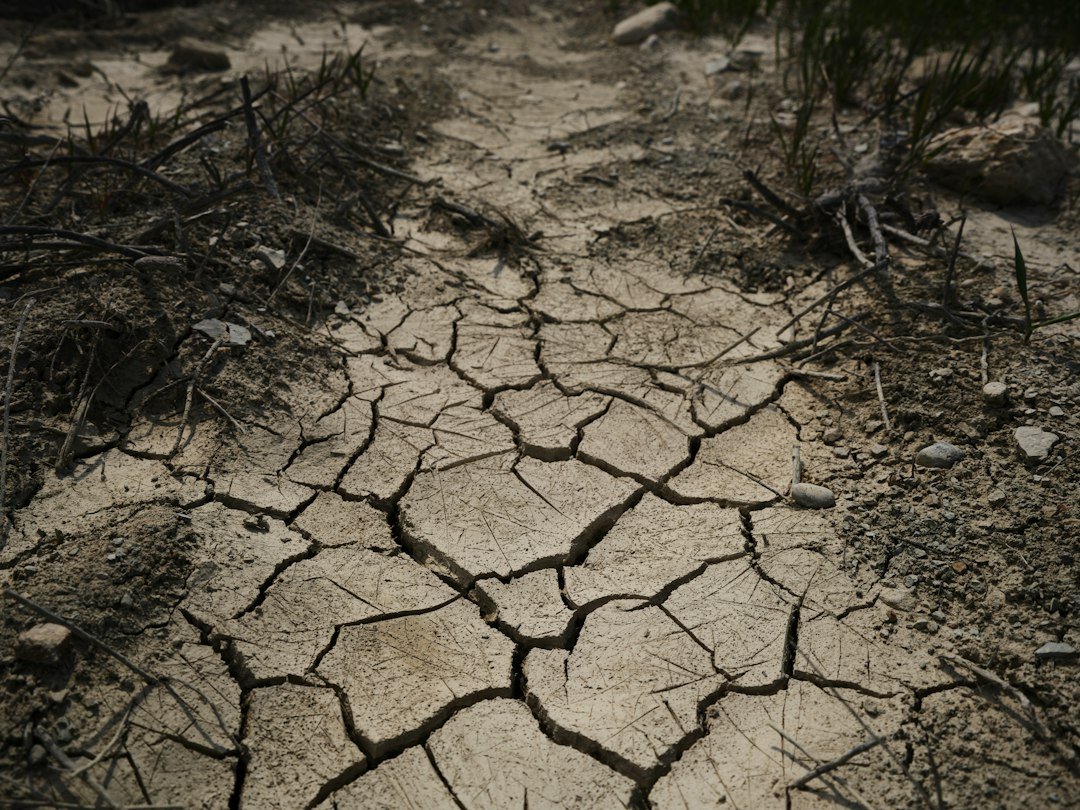
Pakistan’s Indus River System Authority has projected a 22% shortfall in water available for the Rabi cropping season. Rabi is the winter planting period when the country grows most of its wheat. The authority estimates 29.183 million acre-feet will be available against higher seasonal requirements. Punjab and Sindh, the country’s two main wheat-growing provinces, are expected to bear the brunt.
The projection comes against the backdrop of India’s continued suspension of the Indus Waters Treaty. That 1960 agreement governed how the two countries share the Indus basin’s water for six decades. Roughly ninety per cent of Pakistan’s agricultural output depends on irrigation from that basin, according to The Standard and figures reported by The CSR Journal. Any disruption to treaty-based water-sharing is therefore a direct threat to the country’s main staple crop.
A shortfall layered on existing strain
IRSA’s projection does not attribute the shortfall solely to the treaty dispute. Reduced snowmelt and rainfall variability also factor into the authority’s seasonal calculations. But irrigation officials in Punjab say the treaty’s suspended status has removed a layer of predictability. Farmers and provincial water managers previously relied on that predictability when planning Rabi-season allocations, since India is no longer sharing the hydrological data the treaty required.

Wheat is Pakistan’s most politically sensitive crop. It underpins both food security and rural livelihoods across the Indus basin’s farming communities. A shortfall at the start of the planting window forces a hard choice on farmers. They must either reduce the area they sow or risk lower yields on fields that receive less water than the crop needs through its growing cycle. Provincial agriculture departments are already warning farmers to prepare for that trade-off.
Comparable pressure elsewhere
Pakistan’s predicament echoes water-security concerns playing out elsewhere in the region. Egypt and the dryland research centre ICARDA are separately racing to expand solar-powered irrigation and desalination as their own river-dependent agriculture comes under strain. Both cases show how exposed river-basin food systems have become, whether to decisions made far upstream or, in Pakistan’s case, to a bilateral treaty now in limbo.
Pakistani officials have called for renewed dialogue with India over the treaty’s status. They have not set out a contingency plan specific to this Rabi season beyond the usual provincial water-rationing measures IRSA applies during shortfalls. Agricultural economists in Lahore say a shortfall of this scale could reduce wheat output enough to affect import requirements, if it holds through the season. It is still too early in the planting calendar to quantify the impact with confidence.
Much will depend on winter rainfall and snowpack in the Indus basin’s upper catchment over the coming months. IRSA will revise its estimates against those factors as the season progresses. For now, Punjab and Sindh’s wheat farmers face a planting season shaped as much by unresolved diplomacy between two nuclear-armed neighbours as by the weather itself. That combination leaves little room for the seasonal flexibility farmers usually rely on to manage a dry year.
Provincial water managers typically respond to a shortfall of this size by rationing canal releases across the growing season, rather than cutting supply evenly from the outset. Farmers facing reduced canal allocation often turn to tube wells as a backup, a workaround available mainly to those who can afford the drilling and diesel costs. That option deepens groundwater depletion in a basin already under long-term strain from over-extraction, a trade-off IRSA’s seasonal projections do not account for directly.



