
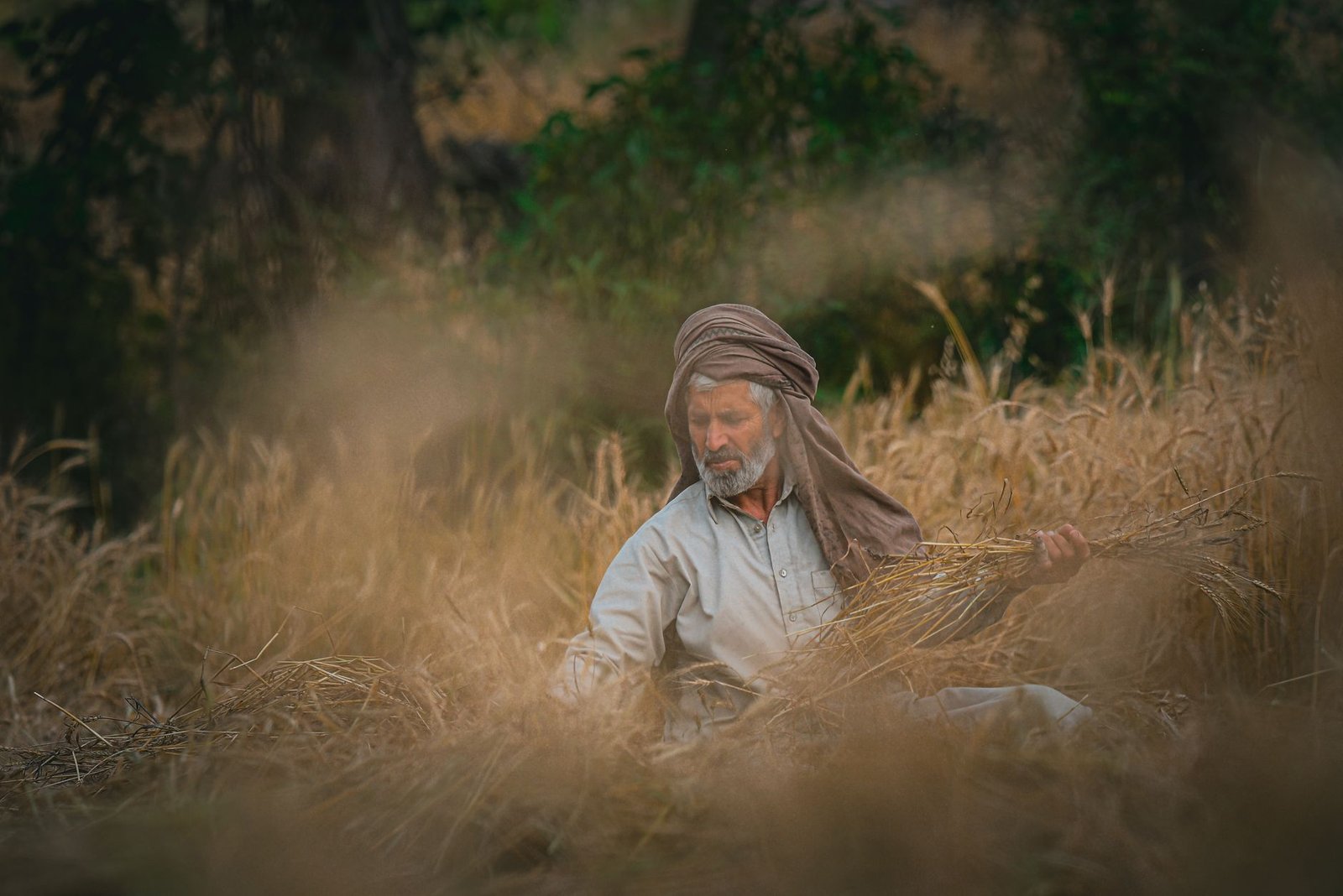
Pakistan’s Ayub Agricultural Research Institute and the International Maize and Wheat Improvement Center, known as CIMMYT, marked six decades of wheat research cooperation in October. New laboratory and field equipment was delivered to the Faisalabad institute to mark the occasion, officials said.
The equipment includes laboratory instruments for five institutions, threshing and research tools for eleven more, three seed cleaner-graders and ten zero-tillage seed-cum-fertiliser drills. CIMMYT’s Global Wheat Program director, Flavio Breseghello, said the delivery strengthens research capacity for breeding varieties that can withstand heat and drought.
AARI has released more than 70 wheat varieties since the partnership began in 1960. That makes it one of the longest-running crop science collaborations between Pakistan and an international research centre. The new equipment is intended to shorten the time needed to test and multiply seed from promising breeding lines before they reach farmers.

Equipment targets a slow seed pipeline
Pakistani wheat breeders have long cited slow seed multiplication as a bottleneck between a laboratory breakthrough and a variety that is actually available to farmers. The zero-tillage drills distributed under the programme also let researchers test new varieties under reduced-tillage conditions. That practice cuts fuel use and preserves soil moisture compared with conventional ploughing. Threshing equipment delivered to the wider network of institutions should also let researchers process trial plots faster. That should shorten the feedback loop between a season’s harvest and the next round of crosses.
The investment comes as Pakistan’s wheat sector faces separate pressure from a certified seed shortfall ahead of this year’s Rabi sowing season. That supply gap is distinct from the research capacity this partnership addresses. Officials say stronger breeding infrastructure should eventually ease that kind of shortage by speeding the release of new varieties into the commercial seed chain. The benefits, though, will take several seasons to reach growers. Pakistan imports a portion of its wheat in poor harvest years. That makes the pace of domestic variety development a matter of broader food security rather than a purely technical concern. A weak domestic breeding pipeline leaves the country more exposed to price swings on international grain markets.
A six-decade partnership
Punjab produces the bulk of Pakistan’s wheat crop, and AARI’s breeding programme feeds directly into the varieties grown across the province’s irrigated plains. CIMMYT has run similar equipment and training programmes with national research institutes across South Asia. The centre argues that local breeding capacity, rather than imported grain alone, offers the more durable route to food security as temperatures rise. The Mexico-based centre, founded in 1966, has supplied wheat genetics to breeding programmes across the Global South for decades. Those contributions include varieties that underpinned the original Green Revolution gains in South Asian wheat yields during the 1960s and 1970s.
Pakistani officials have not set a public target date for when varieties developed with the new equipment might reach commercial seed markets. Researchers at the institute say, though, that the upgraded capacity should allow faster multiplication of lines already in advanced testing. Similar capacity-building efforts are under way elsewhere in the Global South, including a comparable push by Nigeria’s International Institute of Tropical Agriculture to expand farmer access to improved varieties of staple crops. Both programmes reflect a broader shift among international research centres toward strengthening the national institutions that ultimately decide which varieties reach a country’s farmers. That approach, officials say, outlasts the donor-funded pilot projects that have sometimes faded once their initial funding cycle ended.



