
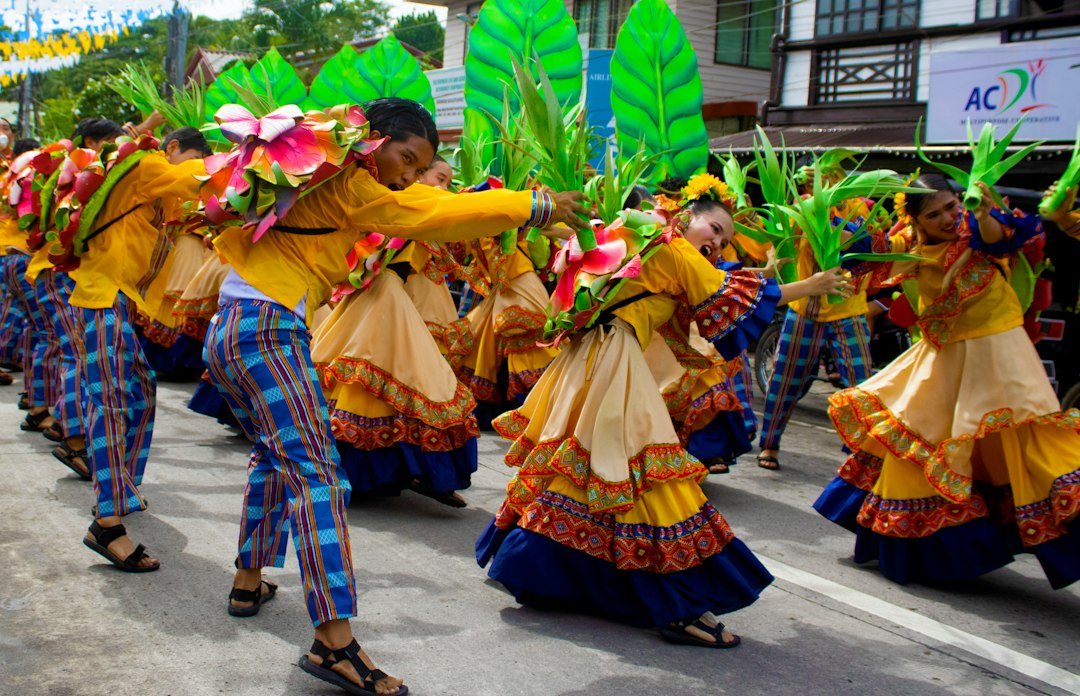
Contingents from six provinces and two cities filled Session Road in Baguio City on 17 October for the fifth staging of Cordillera: Festival of Festivals, an annual showcase of the northern Philippine region’s indigenous heritage organised by the Department of Tourism’s Cordillera office. Delegations from Abra, Apayao, Benguet, Ifugao, Kalinga and Mountain Province, alongside Baguio and Tabuk cities, presented dances, gong music, traditional attire and performances rooted in community history and belief.
Each delegation brought a distinct local festival into the shared parade. Abra presented its Abrenian Kawayan Festival, highlighting lowland traditions alongside the heritage of the Tingguian, also known as Itneg, communities. Baguio showcased its own Panagbenga flower festival, the city’s best-known annual event and a significant draw for domestic tourism in its own right. Tabuk performed the Gabbok, a thanksgiving ritual traditionally held for a family’s first-born child. Mountain Province brought the Lang-ay Festival rooted in Central Bontoc custom, while Kalinga presented the Tachok-Salip Festival of Pasil and Benguet the gong-driven Bindiyan Festival of Kabayan.
Each region keeps its own ritual intact
Ifugao’s contingent performed Gotad Ad Ifugao, featuring Hudhud chants, an oral poetry tradition recognised internationally as an intangible cultural practice, alongside the region’s elaborate ceremonial regalia. Apayao presented the Say-Am Festival, a ritual expression of gratitude toward ancestors and community. The breadth of distinct traditions on a single street reflects the Cordillera’s unusually fragmented ethnolinguistic geography, where steep, isolated valleys allowed dozens of distinct communities to preserve separate customs rather than merging into a single regional culture over the centuries.

Jovita Ganongan, regional director of the Department of Tourism in the Cordillera, organised the event, with Department of Tourism assistant secretary Judilyn Quiachon attending as guest of honour, representing national tourism secretary Maria Bernardita Angara-Mathay. Regional government officials and agency directors also attended, underlining the event’s role as both cultural preservation and a tourism showcase for a region whose economy increasingly depends on highland tourism alongside its traditional vegetable and coffee farming.
Identity built from difference, not despite it
The festival’s organisers frame it explicitly as an identity-building exercise for a region sometimes treated as a single tourist destination despite its internal diversity, aiming to strengthen what organisers describe as “one Cordilleran identity” built from distinct provincial traditions rather than erasing their differences. Baguio, the Cordillera’s largest city and a former American colonial hill station built originally as a cool-climate retreat, has hosted the event each year since its creation, using Session Road’s central location to draw both local audiences and visiting tourists into direct contact with traditions historically confined to specific valleys and rarely performed outside them.
The festival sits alongside other recent efforts across Asia to carry local and indigenous food and cultural traditions beyond their home regions, including a tribal cuisine roadshow currently touring Indian cities from a different Himalayan-adjacent indigenous heartland in Meghalaya.
Organisers have not announced attendance figures for this year’s festival, though previous stagings have drawn large crowds along the Session Road route, which closes to traffic for the parade and subsequent performances, and local hotels in Baguio typically report a short but marked occupancy rise around the festival weekend.
The event has grown since its first staging, expanding from a smaller gathering of a handful of delegations into the current format spanning all six Cordillera provinces and both major cities. Tourism officials say that growth mirrors rising domestic interest in highland cultural tourism more broadly, as Filipino travellers increasingly look beyond the country’s beaches toward cooler, mountainous destinations with distinct indigenous traditions, a shift that has also benefited smaller community-run homestays and craft cooperatives across the region beyond the festival’s host city itself.



