
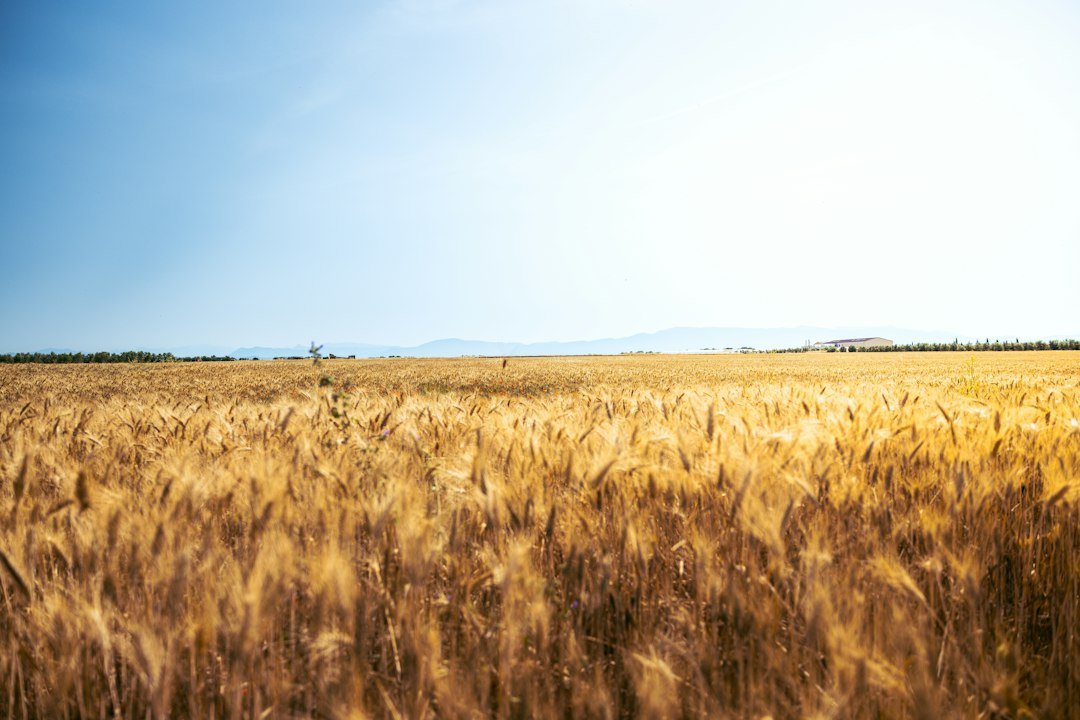
The International Center for Agricultural Research in the Dry Areas has signed a grant agreement with the Kuwait Fund for Arab Economic Development to modernise crop breeding across the region’s drylands. The agreement, signed in Kuwait City on 21 October, funds a second phase of the Breeding Modernization programme, known as BredMod 2.0, with the Kuwait Institute for Scientific Research as the implementing partner on the ground.
BredMod 2.0 targets seven priority crops grown across Arab drylands, aiming to raise annual genetic gains above 1.5 percent a year, a rate Icarda says would meaningfully speed the arrival of new varieties compared with conventional breeding cycles. The programme will lean on artificial intelligence, genomic selection and accelerated breeding techniques to shorten the years it typically takes to move a promising crop line from the laboratory to a farmer’s field.
Drought tolerance is the core goal
Rashid Ali Al-Bader, acting director general of the Kuwait Fund, and Nizar Haddad, Icarda’s director general, signed the agreement. The programme’s stated aim is climate-resilient germplasm: seed lines bred to withstand the heat and water scarcity that increasingly define growing seasons across the Gulf and wider Middle East. Researchers will also study root systems and soil microbiomes, looking for traits that help crops survive drought and heat stress at the plant level rather than relying solely on irrigation.

Icarda, founded in 1977 and now based across several locations after relocating its original Syrian headquarters during that country’s war, has long specialised in dryland agriculture research, holding one of the world’s most significant genebanks for wheat, barley, lentil and other crops suited to arid conditions. Its germplasm collection has previously supplied breeding material used to develop drought-tolerant wheat varieties now grown from Morocco to Pakistan, work that has shaped national breeding programmes well beyond the Gulf states funding the research directly.
The agreement frames the work explicitly around the UN Sustainable Development Goals on poverty and hunger, and names Kuwaiti farmers as a primary beneficiary group, alongside unspecified other Arab countries participating in the programme. Gulf states import the overwhelming majority of their food, making domestic breeding gains in the handful of crops that can be grown locally, such as barley and some vegetables, a long-standing policy priority even though they will not materially change import dependence on cereals and other bulk staples.
A long-running Gulf investment pattern
Kuwait’s funding of dryland science follows a wider regional pattern of Gulf states backing agricultural research as a hedge against both climate stress and the food security concerns exposed by shipping disruptions in the Strait of Hormuz and wider regional instability in recent years. The Kuwait Fund has financed development projects across the Arab world since 1961, and its agricultural portfolio has grown alongside rising concern among Gulf governments about reliance on imported staples that are vulnerable to price spikes and supply shocks beyond their control.
The signing comes as other dryland-focused agricultural research, including South Africa’s award-winning irrigation science, is also drawing fresh international recognition this month for work on water-scarce farming, part of a wider pattern of renewed global investment in the science underpinning drought-resilient food production.
For Icarda, BredMod 2.0 extends a partnership with Kuwait that began with the programme’s first phase. The project’s timeline is described inconsistently in Icarda’s own materials, with the agreement variously described as a two-year initiative and work expected to show results within three years; the institution has not clarified the discrepancy, and no total funding figure has been disclosed publicly.



