
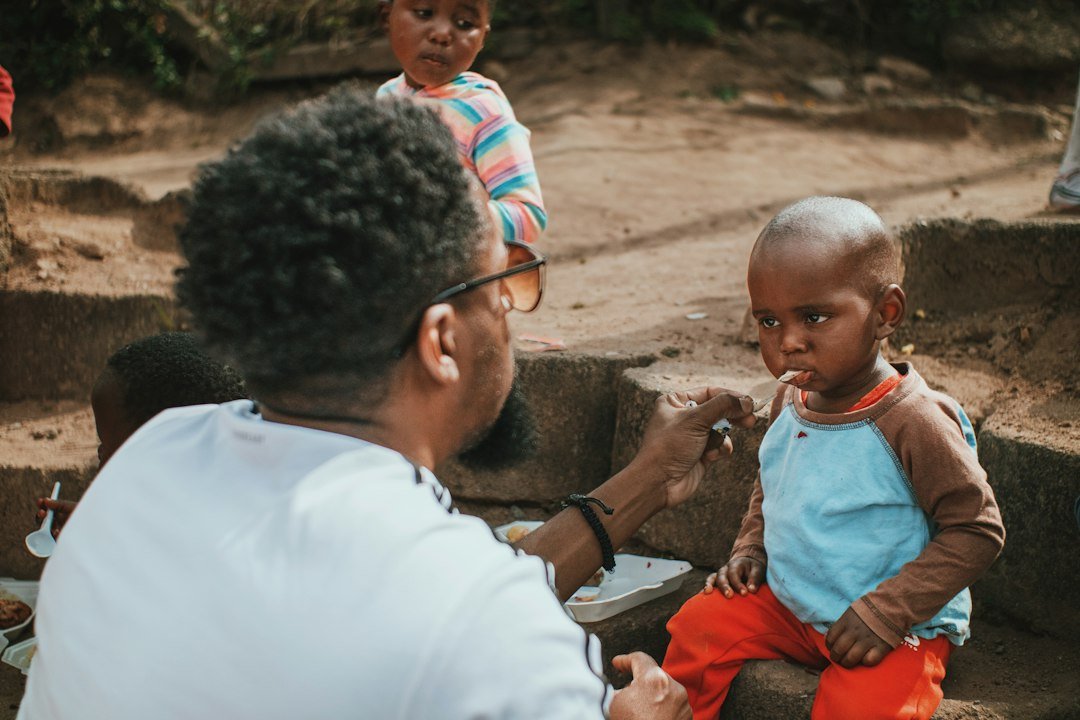
South Africa’s Treasury has allocated R1.6 billion, about US$96.4 million or roughly £72 million, over the next three years to fight child stunting. Finance Minister Enoch Godongwana announced the funding in the Medium-Term Budget Policy Statement on 21 October. It will pay for nutrition services aimed at pregnant women, breastfeeding mothers and children during the first 1,000 days of life, the period from conception to a child’s second birthday that researchers regard as critical for growth and brain development.
Godowana told parliament that stunting and malnutrition “denies our children from fully reaching their growth and learning potential.” The money will flow to provincial health departments through the District Health Programmes Grant, funding micronutrient supplements rather than the new maternal support grant that some advocacy groups had sought.
The allocation responds to figures that have alarmed public health researchers. Between 27 and 28.8 percent of South African children under five are stunted, according to the Children’s Institute at the University of Cape Town. Around 61 percent of under-fives are anaemic, 13 percent are born with low birth weight, and cases of severe acute malnutrition rose by a third between 2020 and 2022.

Funding comes from reprioritised grants
Treasury found the money by reprioritising savings from social grants toward interventions against gender-based violence and child malnutrition, rather than through new taxation or borrowing. Around 40 percent of South African children live below the food poverty line, where their primary caregiver earns less than R855 a month.
David Harrison, chief executive of the DG Murray Trust, welcomed the funding but said it fell short of what is needed. “It is a foot in the door,” he said, adding that “the amount needed is far greater than what has been allocated, but it is welcome.” His organisation plans to raise matching donations from private funders within three months.
Early childhood gaps persist
Basic Education Minister Siviwe Gwarube flagged a related gap during the same budget process: close to a million children aged three to five have no access to early childhood development programmes. “Not a statistic we can become comfortable with,” she told parliament. Nutrition and early learning are closely linked, since stunted children are more likely to fall behind once they reach the classroom.
Treasury has not yet published a breakdown of how the R1.6 billion allocation will be split between health and education, or how its impact will be measured. Provincial health departments are expected to receive detailed guidance before the new financial year begins.



