
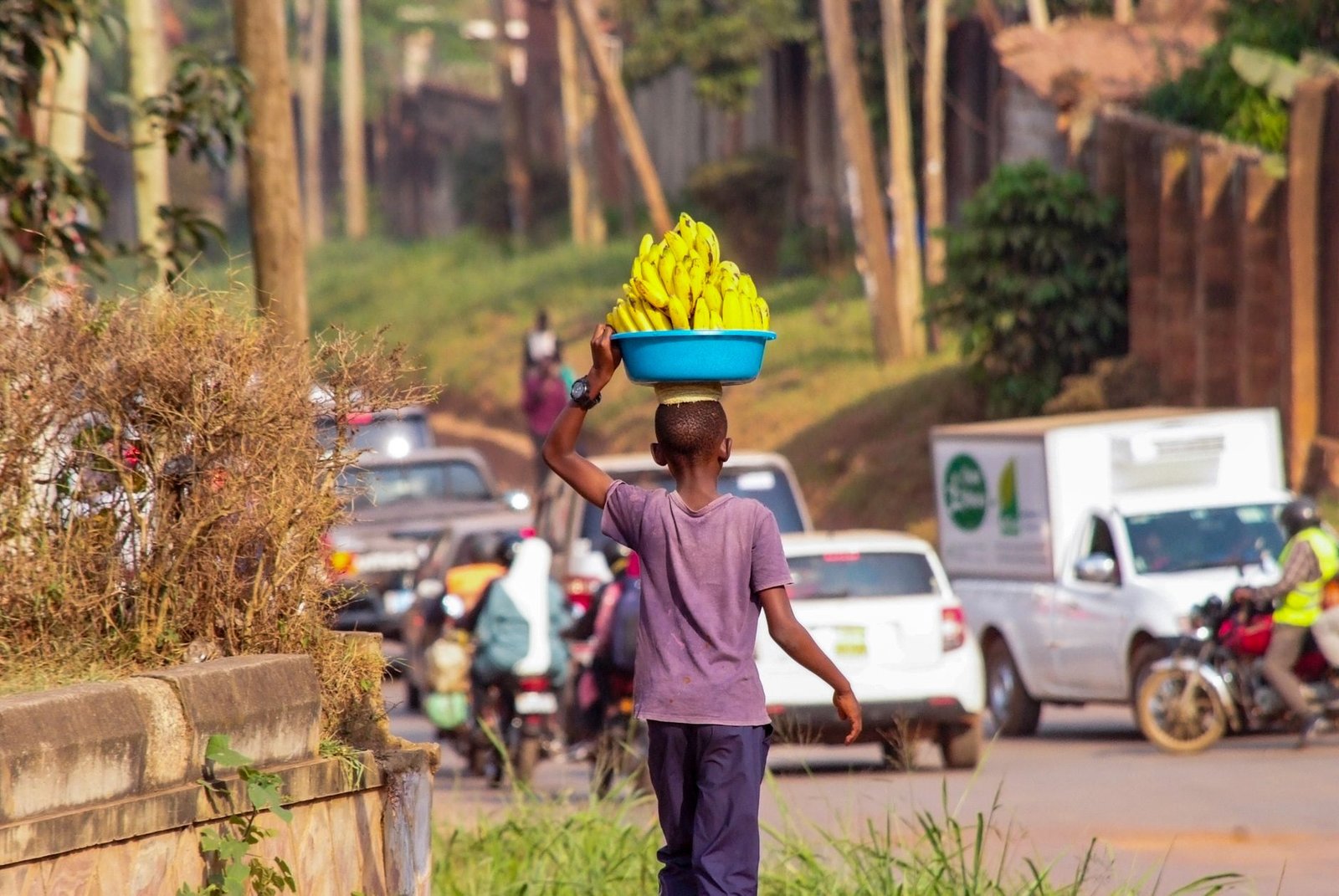
Acute food insecurity affected 473,000 people, or 32% of the population analysed, across Uganda’s Karamoja region between April and July this year, according to an Integrated Food Security Phase Classification assessment. Of that total, 41,000 people were classified in the Emergency phase and 432,000 in the Crisis phase, the two most severe categories the system tracks below outright famine.
At least 16 deaths linked to acute food shortages had been recorded by 9 July, attributed to crop failures and prolonged drought conditions across the region. Kaabong and Kotido districts have been classified in the critical phase, marking them among the hardest-hit areas within Karamoja.
Karamoja has faced recurring food crises for decades, driven by a semi-arid climate that leaves harvests unusually sensitive to even modest rainfall shortfalls. What distinguishes this year’s assessment is the scale of the deterioration relative to recent seasons. The share of the population in Crisis or Emergency phases has climbed well beyond levels recorded in the region’s more typical drought years.

Malnutrition projections point further ahead
Projections for the period from March 2026 to February 2027 estimate that 122,100 children aged six to 59 months will suffer acute malnutrition. Of those, 30,600 are expected to experience severe acute malnutrition, the most dangerous form of the condition in young children. The projections suggest the crisis will deepen rather than ease over the coming months, even as this year’s assessment period draws to a close.
Richard Muyombya, deputy spokesperson for the opposition Forum for Democratic Change party, described the situation in stark terms. “The situation on the ground is alarming and is no longer just a food shortage; it is a full-blown humanitarian emergency,” he said, calling for food, clean water and nutritional supplements to reach affected communities alongside mobile health clinics.
The FDC has also urged the government to invest in permanent grain reserves, irrigation and school-feeding programmes, alongside livestock support and mineral value-addition initiatives it argues would build longer-term resilience in the region. Karamoja’s economy has historically depended heavily on livestock herding. Successive droughts in recent years have thinned herds that many households relied on as a buffer against exactly this kind of crop failure, leaving less of a cushion available this time around.
A crisis competing for the same aid budgets
Karamoja’s deterioration is unfolding alongside comparably severe hunger crises elsewhere on the continent that are drawing on the same limited pool of humanitarian funding. Sudan’s hunger response is nearing collapse after donor funding fell by two-thirds this year, a warning sign for any region, including Karamoja, that depends on international aid arriving at the scale and speed a crisis requires.
Technology-driven approaches to farming are being scaled up elsewhere in the region at the same time as Karamoja’s crisis deepens. Uganda is among the countries named in a $100 million push by the Gates Foundation and Google to expand AI-based weather and crop tools for smallholder farmers. Such tools are designed to help farmers plan ahead of a shock, rather than respond once drought and crop failure have already taken hold, as they have across Karamoja this year.
That distinction matters for how Karamoja’s recovery is likely to unfold. Better forecasting tools reaching Ugandan farmers over the coming years could help other regions avoid a repeat of this year’s losses. They offer little, though, to households already coping with failed harvests and thinned livestock herds today. The near-term response will depend far more on humanitarian funding and government relief measures than on any longer-term agricultural technology rollout, however promising that technology proves elsewhere in the country.