
Uganda’s Integrated Food Security Phase Classification Technical Working Group has released its latest analysis, finding 3.6 million people across the country in Crisis or worse, the third of five severity phases used in international food-security monitoring. Prime Minister Robinah Nabbanja released the findings this week, which cover the period from July 2026 to June 2027 and draw on data compiled with the Food and Agriculture Organization, the World Food Programme, UNICEF, UNHCR and the European Union.
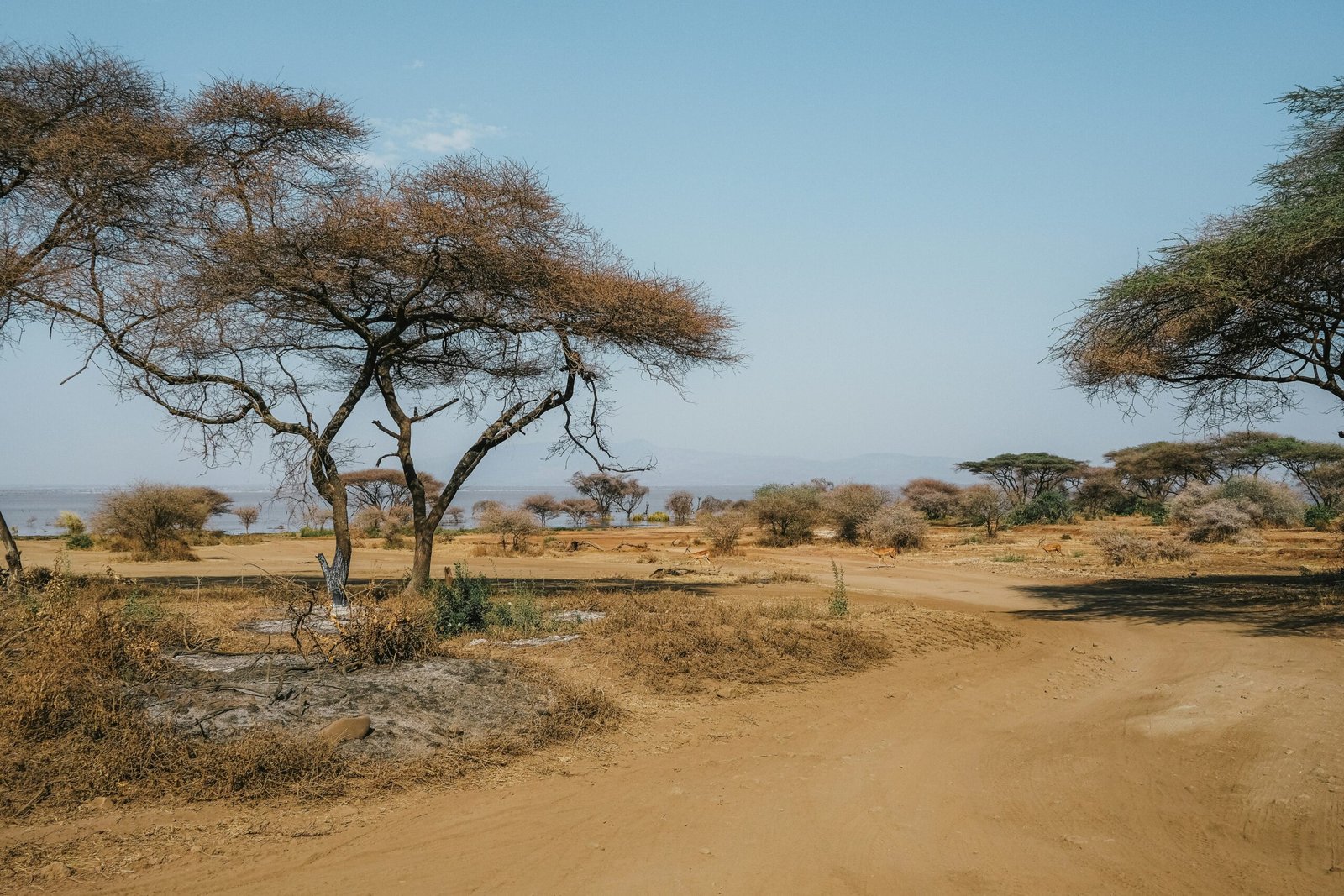
Karamoja, Uganda’s driest and historically most food-insecure region, again registers the sharpest numbers: 673,000 people, or 42% of its population, fall into Crisis or worse, more than four in ten residents. The working group’s report attributes the region’s persistent vulnerability to a combination of erratic rainfall, limited irrigation infrastructure and periodic livestock losses that leave pastoralist households with little buffer when a season underperforms.
Nationally, the analysis flags a mix of drivers: localised flooding in some districts, prolonged dry spells in others, and refugee-hosting areas where resources are already stretched by large displaced populations from neighbouring South Sudan and the Democratic Republic of Congo. The report’s authors say El Niño-linked weather swings this year contributed to some of the volatility but were one factor among several rather than the single cause.

A seasonal monitoring tool, not a one-off alert
Uganda’s twice-yearly IPC exercise is designed to give government and donors a standing picture of food security ahead of each planting and harvest cycle, rather than to flag a single emergency event. The current round’s publication comes as planning begins for the next cropping season, and officials say the regional breakdown is meant to direct limited resources, seed, agricultural extension support and emergency food aid, towards the districts where the data shows the steepest need.
Humanitarian officials note that Karamoja’s numbers, while stark, are consistent with a multi-year pattern rather than a sudden deterioration, which complicates the case for emergency funding when donor attention tends to follow sudden-onset crises more readily than chronic ones. The FAO and WFP have both previously urged longer-term investment in irrigation and drought-tolerant seed varieties in the region rather than repeated emergency responses.
Government response under scrutiny
Nabbanja’s office says the findings will feed into the national budget process and into discussions with development partners over the coming months. Civil society groups working in Karamoja have welcomed the transparency of the latest round but argue that past IPC findings for the region have not consistently translated into the irrigation and water-storage investment that would reduce its chronic exposure. That argument echoes a related debate playing out elsewhere in Uganda, where President Yoweri Museveni has been urging farmers in the south-west to invest in irrigation rather than wait on increasingly unreliable rains, a sign that the shift from rain dependence to managed water use is becoming a national, not just regional, conversation.
Donor coordination under the same roof
The involvement of four UN agencies and the European Union in a single analysis is intended to avoid duplicated or conflicting food-security assessments, a problem that has complicated response planning in other countries where different organisations have published competing estimates of need. Uganda’s working group says harmonising methodology across agencies has made this round’s findings more directly usable for budget planning, since donors and ministries are working from one agreed dataset rather than reconciling several. Officials say the next review, due in roughly six months, will show whether this season’s early interventions have narrowed the gap in Karamoja or whether the region’s numbers have drifted further from the rest of the country.



