
Himachal Pradesh’s government approved a state Nutrition Policy 2026 on 22 October, aiming to tackle malnutrition, anaemia and micronutrient deficiencies by promoting the state’s own traditional foods rather than imported fortified alternatives, according to a PTI report carried by ThePrint.
The policy takes a life-cycle approach, focusing first on the 1,000 days between conception and a child’s second birthday, then extending support through maternal and child nutrition, adolescent health and vulnerable groups. Chief Minister Sukhvinder Singh Sukhu said every child, woman and citizen should have access to “safe, nutritious and affordable food,” framing nutrition as fundamental to the state’s development.
Millets and mountain dairy over imported fortification
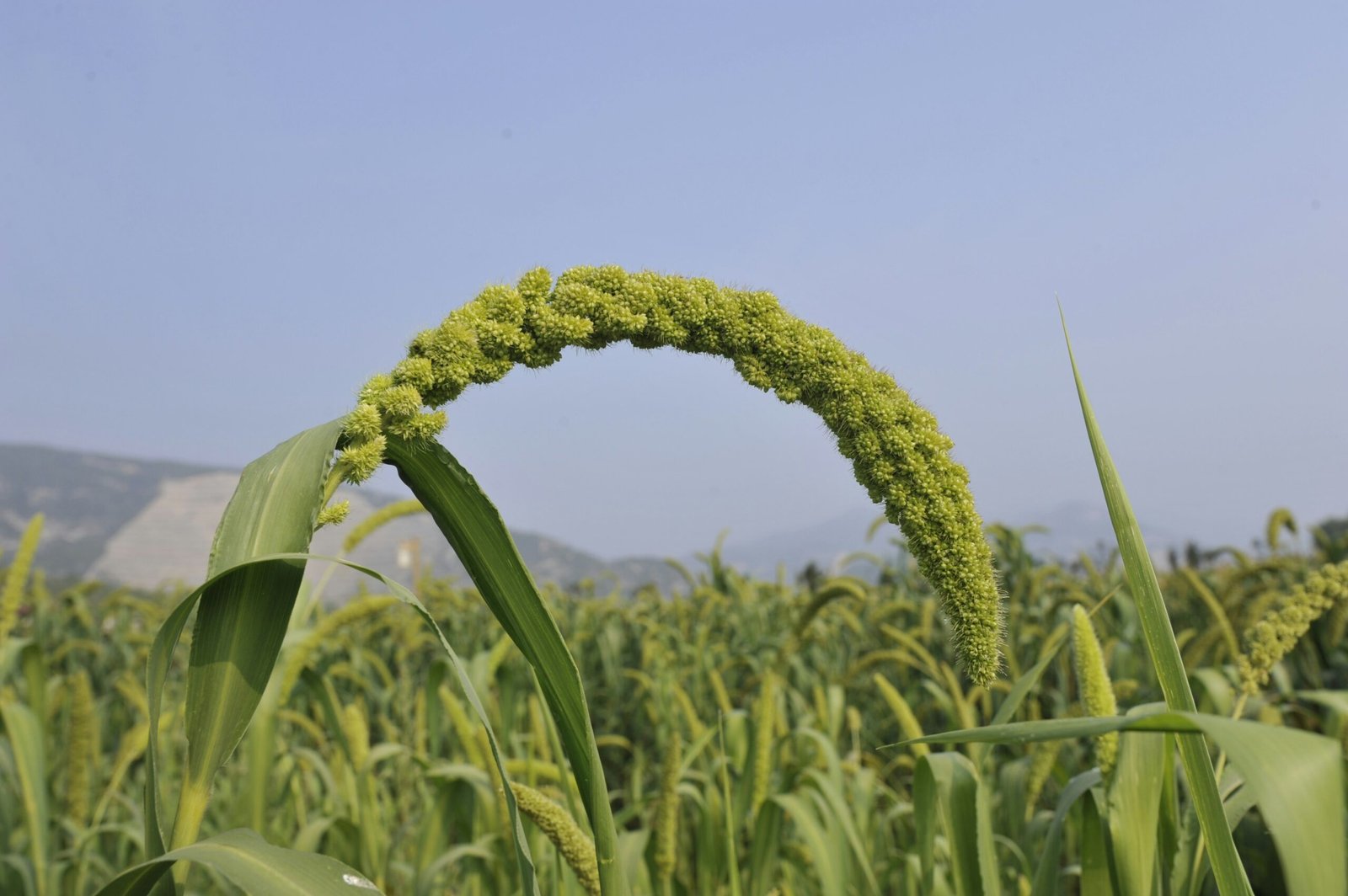
Rather than leaning on packaged fortified foods, the policy promotes seasonal fruits, pulses, millets, green leafy vegetables and dairy products already grown across Himachal’s hill districts. The goal, officials said, is “balanced, culturally acceptable diets” that households can sustain without depending on supply chains from outside the state.
This marks a notable departure from the fortification-heavy approach many Indian states have pursued over the past decade. Himachal’s hill agriculture already produces crops nutritionists have long championed, millets chief among them, and the policy effectively asks residents to eat more of what their own farms already grow.
New testing labs and a digital nutrition portal
The policy also strengthens food-safety infrastructure. It upgrades the Composite Testing Laboratory at Kandaghat, creates four new food-safety laboratories, and funds the staff needed to run them; a fifth lab at Dharamshala has already begun work. A new State Nutrition Portal will track data digitally, supported by mobile food testing and water-quality monitoring.
Coordination runs across nine departments, including Health, Women and Child Development, Agriculture, Horticulture and Rural Development, through new State and District Nutrition Coordination Cells. The policy builds on existing programmes, including the Integrated Child Development Services scheme, PM POSHAN school meals and the Public Distribution System, rather than replacing them.
Remote and tribal areas get specific attention under the policy, officials said, though the government has not yet released budget figures, implementation timelines or malnutrition prevalence data that would let outsiders measure progress.
For a hill state where transport costs make imported processed food expensive, building nutrition policy around crops already growing on local terraces is a pragmatic bet as much as a cultural one. Kerala, which has run its own debates over local versus imported staples, will find the comparison familiar: the cheapest nutritious diet is usually the one that doesn’t need a truck to arrive.



