
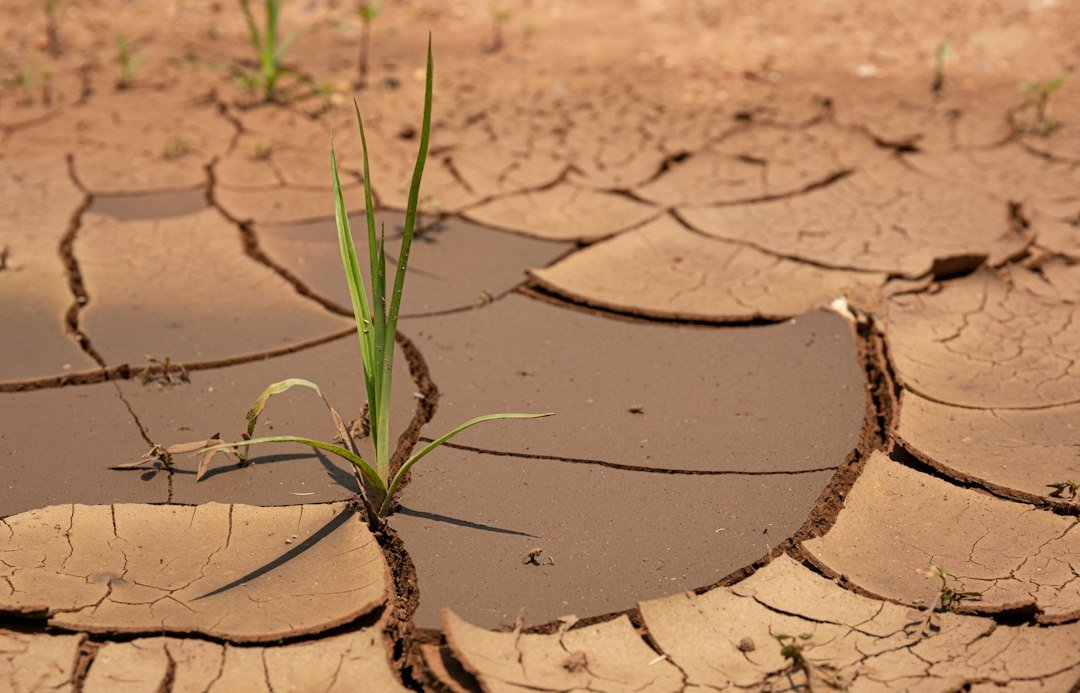
Thirty governments and the European Union warned on 23 October that about 19.5 million people in Sudan, 41% of the population, face high levels of acute food insecurity, with famine risk rising across the country. The joint ministerial statement, issued by the EU’s humanitarian aid office alongside the United States, the United Kingdom, Canada and 26 other states, said “there is no time to lose to save lives and prevent famine.”
Five million people already face emergency-level food insecurity, the statement said, and severe acute malnutrition among children could exceed a projected 825,000 cases unless the trend reverses. The number of areas officially assessed as food-insecure, initially 14, is expected to double.
Conflict, not just weather, drives the crisis
The statement names conflict as the main driver, saying fighting has displaced millions and disrupted healthcare, food production, supply chains and markets. El Niño has reduced rainfall and deepened drought across more than half of Sudan, compounding a crisis that aid groups say is being made worse by deliberate obstruction.
Dabanga Sudan, reporting two days later, added detail from Sudanese civil-society groups. Emergency Lawyers, a Sudanese rights group, attributed the crisis partly to a failed agricultural season, water shortages and distress sales of livestock, alongside militia-imposed movement restrictions and looting. The group said deliberate deprivation of food and water could amount to war crimes or crimes against humanity, depending on the circumstances of each case.
The General Coordination for Displaced Persons and Refugees, also cited by Dabanga, called for a humanitarian truce of at least 90 days and an end to weapons flows to all sides of the conflict.
What the statement demands
The signatories called on all parties to the conflict to open crossline and cross-border aid routes, including air access into Darfur, protect humanitarian workers, and stop strikes on agricultural and food infrastructure. They urged the international community to scale up funding urgently and redirect development finance toward the hardest-hit areas, including support for Sudan’s winter cropping season, a narrow window that could determine next year’s harvest.
The statement stops short of threatening specific consequences, instead placing responsibility squarely on the conflict’s parties: “The parties to the conflict bear primary responsibility for alleviating the suffering of the Sudanese people.”
Sudan’s crisis has drawn comparatively little global attention next to other conflicts, despite now ranking among the world’s largest hunger emergencies. For food-security watchers across the Global South, the pattern is familiar: a war disrupts planting and harvest cycles, and the resulting hunger outlasts the fighting by years. Whether this latest warning translates into funding, or air access into Darfur, will be clear within weeks, not months, aid officials say.



