
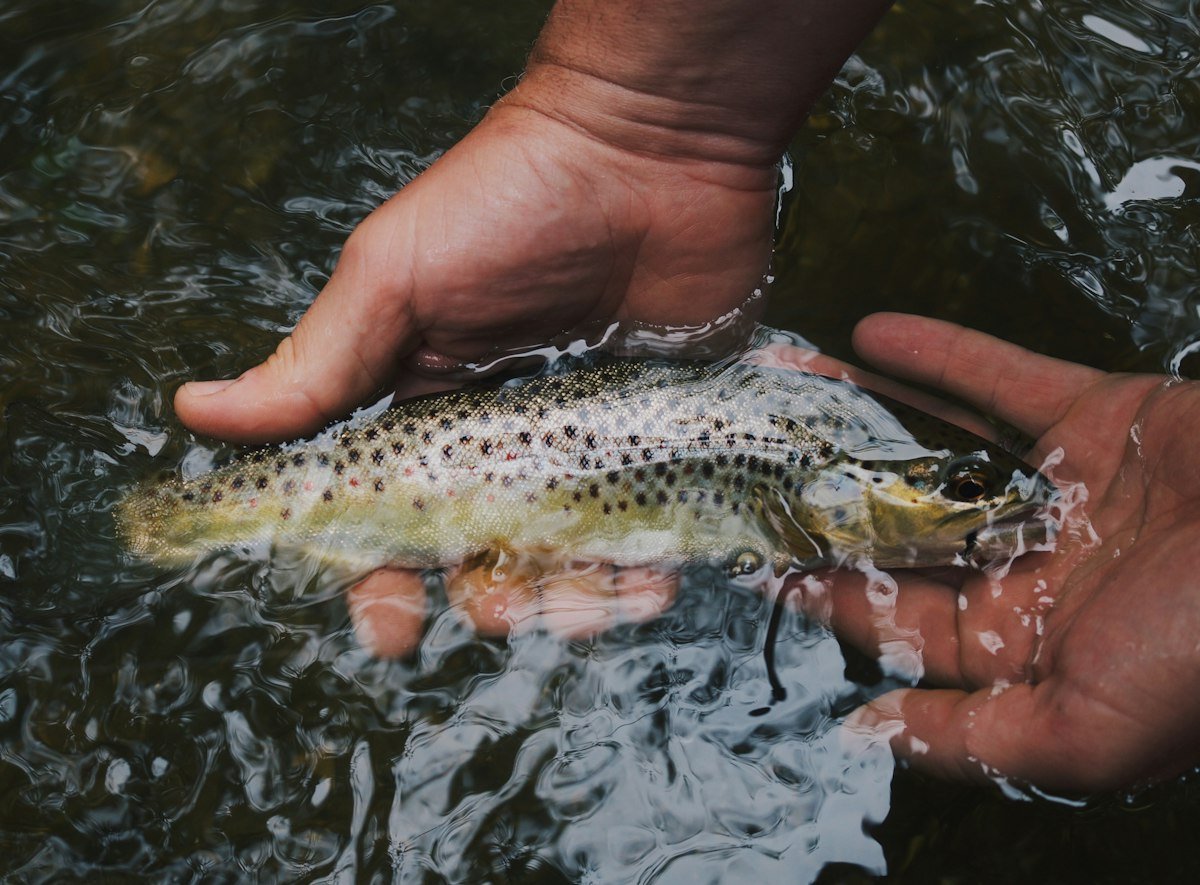
The Breekkrans River restoration has produced a rare clear-cut success for freshwater conservation. Conservationists say removing invasive smallmouth bass from a stretch of the South African waterway has allowed a critically endangered native fish species to recover.
The Breekkrans is part of the Doring River system in the Cape Fold ecoregion, an area recognised as a global hotspot for freshwater fish diversity found nowhere else. The native redfin species targeted by the restoration effort had been pushed to the brink of extinction in the river. Invasive bass, introduced decades ago for recreational angling, preyed heavily on juvenile redfin and outcompeted them for food and habitat.
Years of work to clear a single stretch
The removal project ran over several years. It used a combination of methods, including targeted netting, electrofishing and, in some sections, chemical treatment, to eliminate bass from the targeted stretch while minimising harm to native species. Conservationists describe the work as painstaking. Repeated surveys were needed to confirm bass had been fully cleared from a section before monitoring could confirm redfin recovery was under way.

Post-removal surveys found redfin numbers rebounding significantly in the treated stretch. Researchers observed both adult survival and, significantly, successful juvenile recruitment, an indicator that the population is reproducing in the restored habitat rather than simply persisting. Researchers caution that recolonisation by bass from untreated sections elsewhere in the catchment remains an ongoing risk. That risk requires continued monitoring and, potentially, periodic follow-up removal work.
A model with limited reach so far
South Africa’s Cape Fold freshwater ecoregion contains numerous other native fish species facing similar pressure from invasive bass, trout and other introduced predators. Conservationists say the Breekkrans River restoration demonstrates that recovery is achievable where resources allow sustained removal efforts. Scaling the approach across the many other affected rivers in the region, however, would require funding and capacity well beyond what has been available for the Breekkrans work alone.
The project’s results have drawn interest from freshwater conservation researchers elsewhere in Africa working on similar invasive-species problems. They see the Breekkrans case as evidence that targeted, sustained intervention can reverse what might otherwise look like an irreversible decline, provided the invasive species can be comprehensively removed rather than merely reduced.
Funding for the removal work came through a mix of conservation grants and in-kind support from angling associations, some of whose members initially opposed the project out of concern it would eliminate a popular recreational fishery. Project leaders say sustained engagement with those associations, including offering alternative stocked fishing sites elsewhere in the catchment, proved important to securing local support for removing bass from the Breekkrans itself.
Researchers now monitoring the river say they intend to use the Breekkrans River restoration as a reference case when seeking funding for similar projects elsewhere. At least two other Cape Fold rivers have native fish populations facing comparable pressure from invasive predators. A proven success story, they argue, makes the case to donors far more effectively than a proposal alone ever could. Conservation officials say they are already drafting proposals for the next two catchments on their list, hoping the Breekkrans data will shorten the funding review process considerably.
Angling associations that once resisted the project have since asked to be included in planning discussions for the next phase, a shift organisers describe as the clearest sign yet that the Breekkrans approach has changed minds rather than simply overridden objections. Conservationists say that kind of buy-in, more than the fish counts themselves, is what will determine whether the model can be repeated at scale across the wider Cape Fold region.



