
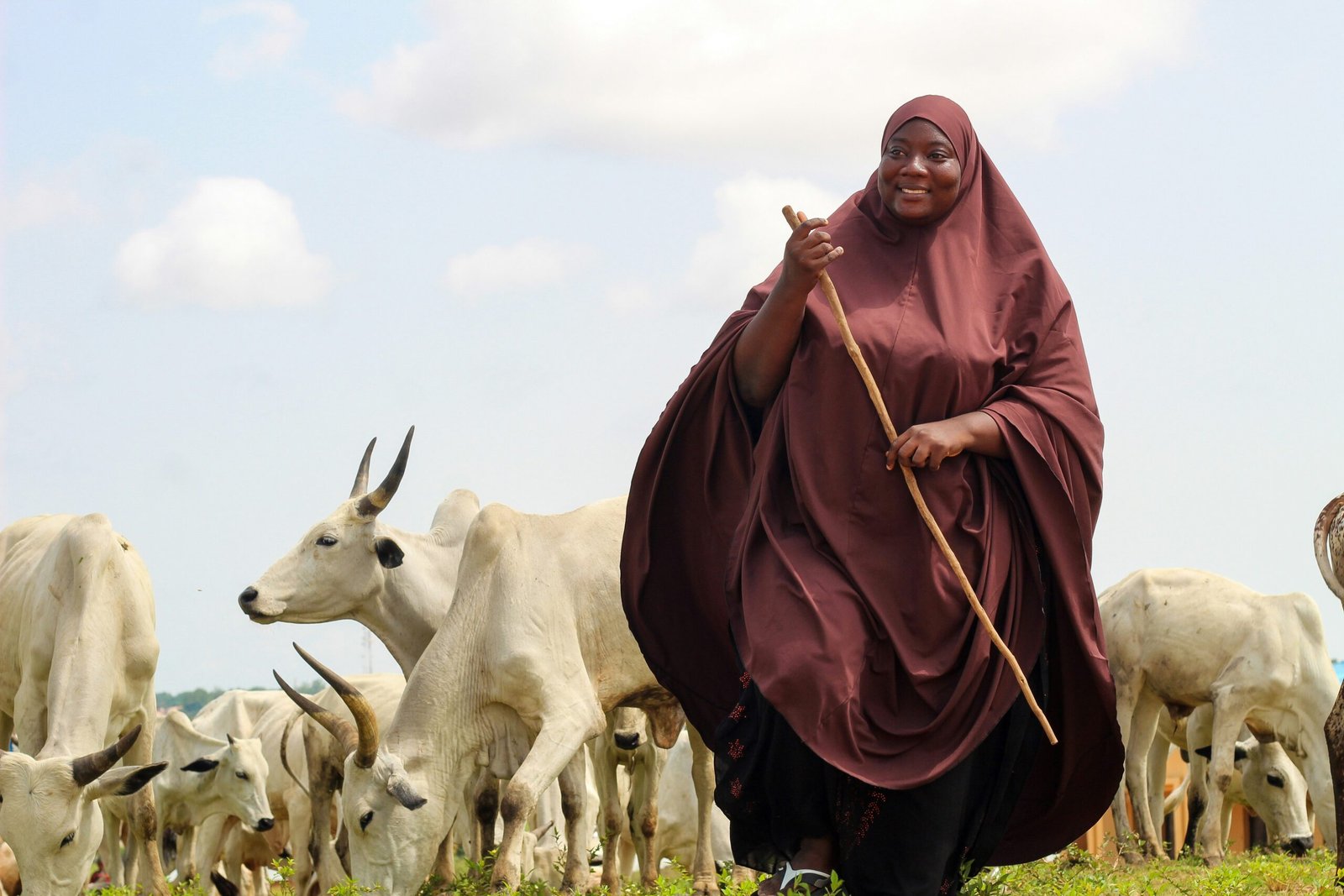
Farmers in Katsina State, northern Nigeria, will be able to borrow up to 300,000 naira (about $223, or roughly £167) interest-free, under a new state-level credit scheme aimed at smallholders. The loans, confirmed in reporting on 29 October 2026, target farmers who would otherwise struggle to find affordable working capital for seed, fertiliser and other inputs.
The scheme sits within a wider push by Nigeria’s federal and state governments to widen smallholder access to affordable farm credit. Katsina, one of the country’s largest grain-producing states, has in past seasons hosted federal anchor-borrower loan programmes for rice farmers and received allocations of free fertiliser meant for small growers.
Nigeria’s farm-credit landscape has usually combined federal schemes, such as subsidised fertiliser and anchor-borrower loan arrangements, with ad hoc state-level support. Katsina’s interest-free loans fall into that second category, adding a state-funded layer on top of existing federal credit lines rather than replacing them.

That history has not been free of friction. Katsina has also featured in reporting on the diversion of free federal fertiliser intended for smallholders, a recurring complaint across northern Nigeria’s farm-credit and input schemes. Similar concerns have surfaced in past seasons over anchor-borrower loan recovery across northern Nigeria, where repayment rates have lagged far behind disbursements. The new interest-free loans arrive against that backdrop, with no public breakdown yet of how many farmers will benefit or how disbursement will be monitored.
A small loan against a familiar problem
At 300,000 naira per farmer, the new credit line is modest next to some state-backed agricultural finance schemes elsewhere in Africa. Loan programmes running into tens or millions of dollars have drawn more scrutiny than support in several countries. Malawi’s troubled Mega Farms Unit, for instance, has set a hard delivery deadline and threatened court action against large-scale farmers who took on state financing and fell behind. It is a reminder that bigger loans do not always reach harvest more reliably than small ones.
Katsina’s approach instead puts a modest, fixed sum directly into individual farmers’ hands, without the layered intermediaries that have complicated larger schemes. Interest-free credit of this kind still depends on farmers being able to access the scheme in the first place, a hurdle that has undercut past input programmes in the state.
Credit gaps still weigh on northern Nigeria’s farmers
Northern Nigeria’s farmers have long cited access to affordable credit, rather than the absence of credit schemes themselves, as their central constraint. Formal lenders often treat smallholder agriculture as high risk, pushing farmers towards informal credit at steep rates. That bite is sharpest ahead of planting season, when cash needs peak and harvest income is still months away.
An interest-free loan removes one layer of that cost. It does not address the logistics of reaching farmers scattered across Katsina’s rural local government areas, nor the record-keeping needed to track repayment and renewal. Officials have not detailed how the state plans to manage either challenge, or over what period farmers must repay before the scheme can be extended to others.
For now, the scheme stands as a targeted, state-level response to a credit gap that federal programmes have tried and, in some cases, struggled to close. Its impact will depend less on the interest rate than on how many farmers actually receive the funds this season. Smallholders in Katsina, like farmers elsewhere in the Sahel-facing north, are also contending with rising input costs and increasingly erratic rainfall. No single credit scheme can resolve those pressures on its own.



