
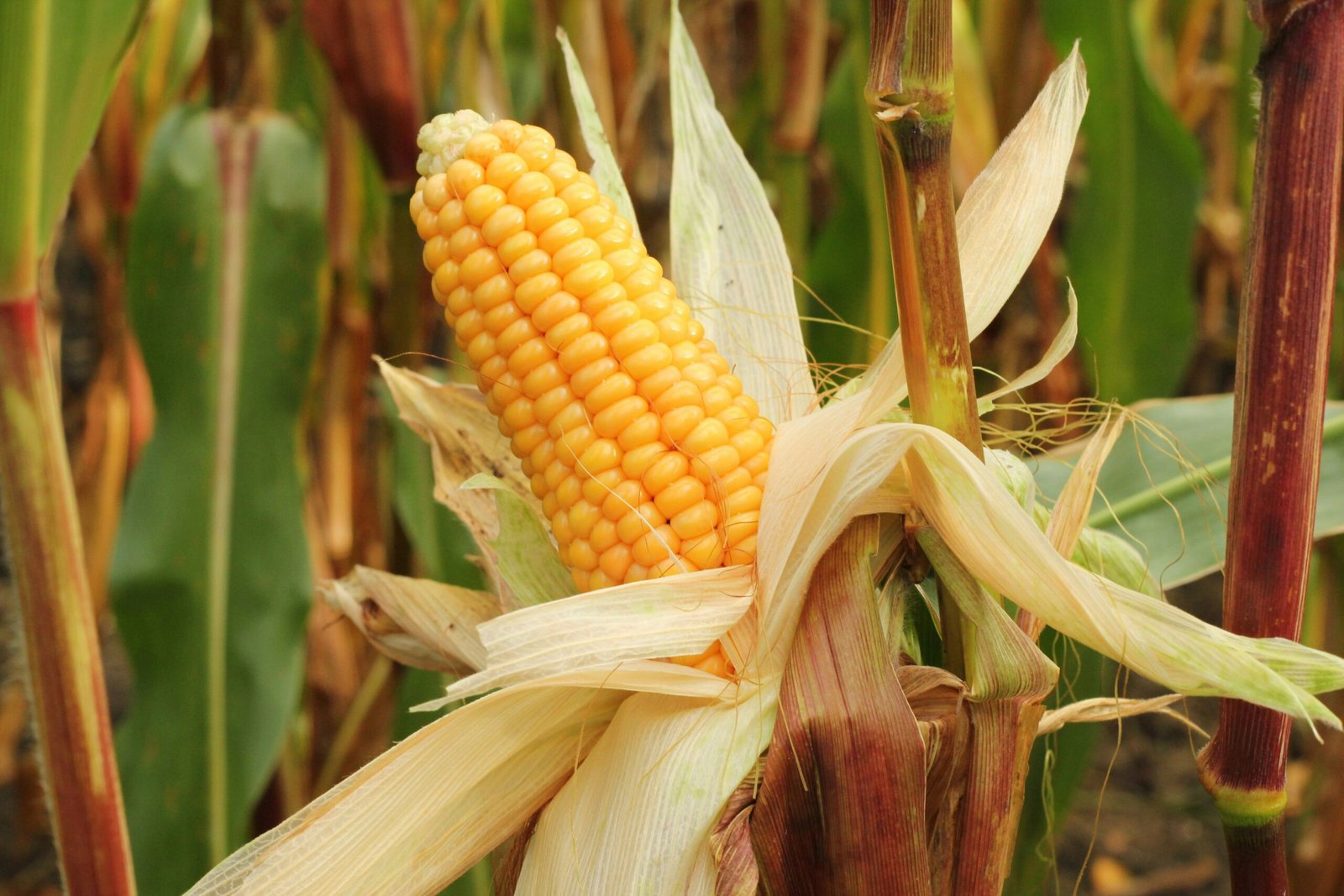
Malawi’s Mega Farms Unit has given the country’s large-scale “mega farmers” a maize deadline of 22 November 2026, warning of court action against anyone who fails to deliver contracted grain under the government’s flagship Mega Farms Initiative. The unit, widely known by its acronym Maiic, issued the order as pressure mounts on a programme meant to lift national grain output through big, mechanised farms rather than smallholder plots.
The order lands amid a deepening controversy over how the scheme has been run. Reporting through October described billions of kwacha tied up in the programme, suppliers left unpaid for inputs already delivered, and farmers abandoned partway through the growing season. Those findings have turned a project pitched as a shortcut to food security into a source of public frustration.
Former president Peter Mutharika, now a leading opposition voice, called the scheme “a flagship vision gone rotten” in comments reported in late October, pointing to corruption and favouritism in how mega-farm contracts and inputs were allocated. His remarks add political weight to complaints that have circulated among suppliers and farming communities for weeks.

A programme under strain
Mega Farms was designed to concentrate state support, including loans and farm inputs, on a smaller number of large operations capable of producing grain at scale. The logic behind that approach is straightforward — fewer, bigger recipients should be easier to monitor than thousands of smallholders.
Malawi has leaned on large, mechanised farms before as a way to lift national maize output quickly, reasoning that big operators can absorb better seed, fertiliser and irrigation than scattered smallholdings. The approach has worked in some seasons, but it also concentrates risk: when a handful of large farms falter, the shortfall shows up immediately in national production figures rather than being spread across millions of small plots.
That logic has not held up well in practice. Billions of kwacha have moved through the programme without producing the harvests or loan repayments officials expected, and unpaid suppliers have in several cases stopped delivering seed and fertiliser altogether. The November deadline marks the clearest sign yet that the government intends to recover what it can before the season closes, through the courts if necessary.
Credit without scale
Malawi’s Mega Farms troubles sit in contrast with smaller, more targeted farm-credit schemes tried elsewhere on the continent, where state-backed loans are sized to what an individual grower can realistically repay rather than channelled through a handful of large operators.
Whether that contrast holds up depends on enforcement. Mega farmers who default face the same courts as any other debtor. But the scale of the loans involved means a string of defaults could leave input suppliers and state lenders carrying losses for years. Agriculture officials have not said how many farmers have been contacted under the new deadline, nor how much maize remains outstanding.
For a country that imports grain in lean years and exports it in good ones, the stakes extend beyond the programme’s own books. Malawi’s maize harvest helps shape regional prices and food availability well beyond its borders, and a poor mega-farm season would add pressure just as households plan for the months ahead. Officials have given no indication of a grace period beyond 22 November, and have said farmers who ignore the deadline will be referred to the courts without further warning.
The timing adds pressure of its own. Malawi is heading into its 2026-27 planting season, and unresolved debts from the last cycle could leave both suppliers and mega farmers short of the cash and inputs they need to start again on time.



