
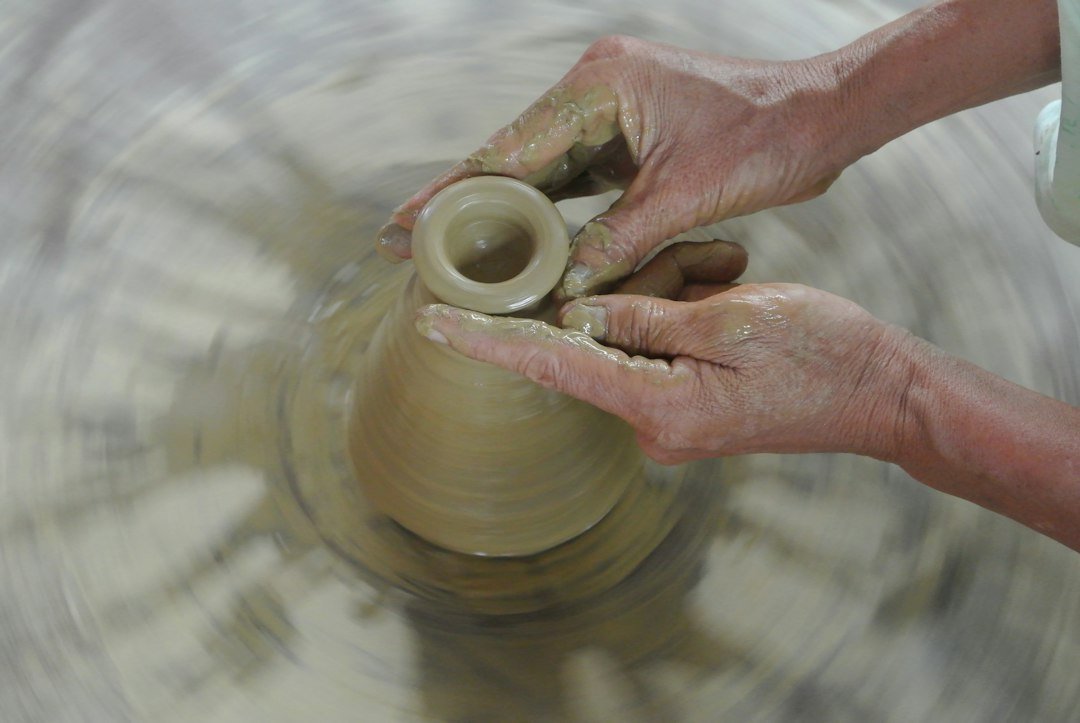
Hanoi will host the inaugural Global Festival for the Preservation and Development of Craft Villages from 13 to 16 November 2026. The event draws artisans, designers and trade groups from more than 40 countries and territories, according to Voice of Vietnam reporting published on 14 October 2026.
The main venue is the Imperial Citadel of Thang Long, covering about 10,000 square metres, with the official opening scheduled for 7pm on 14 November. Organisers expect around 200 international delegates alongside domestic craft cooperatives. That makes it the largest event of its kind the city has staged to date.
A programme built around food and craft together
The festival’s spaces extend beyond craft demonstrations to cover digital transformation, net-zero initiatives, photography, floral displays and culinary arts. That positions handicraft heritage alongside food culture rather than apart from it. Interactive activities will run at the Centre for Vietnamese Craft Village Essence in Bat Trang, a ceramics village on Hanoi’s outskirts, and at other selected craft villages across the city.

Vietnam News reported that Hanoi authorities view the festival as a way to boost both handicraft exports and local tourism, two sectors the city has tried to grow together rather than separately in recent years. A rural industry investment promotion conference will run in Bat Trang on the morning of 14 November. That evening brings a reception for World Crafts Council executives and international delegations.
What visitors can expect
Guided tours of Van Phuc silk village and Chuyen My mother-of-pearl inlay village begin on 12 November, ahead of the main programme. The Asia-Pacific Handicraft Competition takes place on 15 November at Thang Long Citadel, followed by a cultural exchange and a handcrafted fashion showcase. Side events include the inaugural Hanoi Craft Product Contest, the 2026 Vietnam Handicraft Competition, and cultural performances staged across Hanoi and in neighbouring Ninh Binh province.
Vietnam’s Ministry of Agriculture and Environment will chair the national handicraft contest and the investment conference. It will also manage delegate invitations and coordinate with the World Crafts Council and provincial authorities on logistics for the four-day programme.
The timing places the festival close to several of Vietnam’s harvest and craft seasons, when villages producing silk, ceramics, lacquerware and woven goods traditionally see a seasonal uptick in both production and trade. Organisers are betting that combining that seasonal rhythm with an international showcase will give craft villages a sales and exposure boost that a purely domestic event could not match on its own.
Whether the festival becomes an annual fixture will likely depend on how many of the 40-plus participating countries return with trade delegations rather than just cultural exhibits. That is a distinction Hanoi’s rural industry conference is explicitly designed to test over the coming months. For now, the event marks Vietnam’s clearest attempt yet to position its craft villages, many of them centuries old, as a tourism and export asset rather than a heritage curiosity to be admired from a distance.
Vietnam’s craft villages, numbering in the thousands nationwide, have long combined household-scale production with seasonal trade fairs, but rarely on an international stage of this size. Organisers say a successful first edition could help justify similar investment in craft tourism infrastructure beyond Hanoi, in provinces that have struggled to turn heritage crafts into steady export income. Delegations from several participating countries have already indicated interest in setting up longer-term trade links with Vietnamese craft cooperatives, according to organisers, rather than treating the festival as a one-time cultural exchange.



