
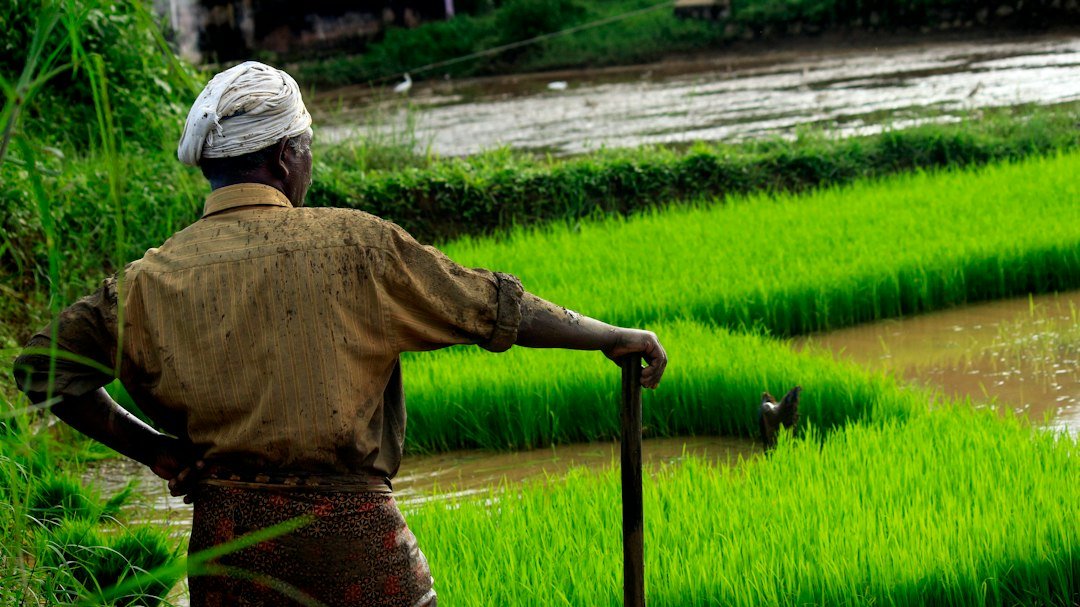
India’s Union Agriculture Minister Shivraj Singh Chouhan launched Khet Bachao Abhiyan-Rabi 2026 from Haryana on 23 October 2026, according to All India Radio and multiple domestic outlets. The nationwide campaign promotes balanced fertiliser use and soil health. It targets 50,000 villages across 700 districts during the current Rabi, or winter, cropping season.
“Khet Bachao,” which translates roughly as “save the field,” focuses on reducing excessive and imbalanced use of chemical fertiliser. That practice has degraded soil structure and micronutrient levels across large parts of India’s farmland over decades of intensive cultivation. The ministry wants farmers to rely more on soil testing, organic inputs and crop rotation before defaulting to additional chemical doses each season.
Dhaincha and demonstration plots
The campaign promotes dhaincha, a fast-growing green manure crop, alongside balanced use of nitrogen, phosphorus and potassium fertiliser based on local soil test results rather than blanket application. Agricultural extension workers are running field demonstrations in participating villages. The aim is to show farmers the yield difference between balanced and excessive fertiliser use on comparable plots side by side.

The drive follows growing concern within India’s farm ministry about the fiscal and agronomic cost of current fertiliser patterns. India’s subsidy bill for 2026-27 has come under pressure from global price spikes tied to supply disruptions. That is pushing officials toward campaigns that reduce overall fertiliser demand rather than only subsidise its cost after the fact. Lower per-hectare fertiliser use would also ease pressure on import volumes at a time when several traditional supplier countries have tightened their own exports.
A campaign with regional company
India’s push mirrors similar efforts elsewhere in the Global South to address soil degradation directly rather than through subsidy alone. In the Philippines, agriculture officials have spent recent months reviving Kalimpos, a drought-tolerant native corn variety, partly to reduce farmers’ dependence on purchased hybrid seed and the fertiliser regimes that typically accompany it.
ICAR-CCARI in Goa and other research institutes under the Indian Council of Agricultural Research have run parallel workshops on balanced fertiliser use timed to coincide with the national launch. That gives the campaign technical backing beyond the ministry’s own extension staff alone. Officials have framed the Rabi season launch as the first of a two-part effort, with a second phase expected to follow for the Kharif, or monsoon, season next year.
Farmers’ groups have broadly welcomed the campaign’s aims but note that changing fertiliser habits built up over two or three decades will take more than a single season of demonstration plots to shift. Soil scientists involved in the rollout say the campaign’s real test will be whether village-level soil testing infrastructure, which remains patchy in several states, can keep pace with the awareness drive itself.
The agriculture ministry has not yet published a national target for how much fertiliser use it expects the campaign to cut. Officials say instead that success will be measured village by village against each area’s existing baseline consumption, rather than against a single national benchmark.
State-level agriculture departments are expected to publish their own district breakdowns once the Rabi campaign concludes, giving a clearer picture of where uptake was strongest. Officials involved in earlier soil-health drives say village-level data of that kind has, in the past, helped identify which extension approaches actually changed farmer behaviour rather than simply raising awareness without lasting effect.


