
Monitored wildlife populations have fallen 73% on average since 1970, according to the WWF’s Living Planet Report 2026. The report, released on 7 October, is based on 35,803 populations across 5,790 vertebrate species. It names industrial agriculture, including soy, palm oil and cattle production, alongside fossil fuels and nature-harming finance, as the main drivers of the decline.
The losses vary sharply by region. Latin America and the Caribbean recorded a 95% fall, Africa 80%, and Asia-Pacific 49%, against 28% in North America and 23% in Europe and Central Asia. By ecosystem, freshwater populations fell 85%, terrestrial populations 69% and marine populations 59%. The Living Planet Index behind the figures is maintained by the Zoological Society of London.
Money flows the wrong way
The report’s starkest figure may be financial rather than ecological. In 2023, about $7.3trn, roughly £6trn, flowed to activities that harm nature. That compares with about $220bn, about £180bn, directed toward protecting it, a ratio of more than 30 to one, according to the UN Environment Programme’s State of Finance for Nature 2026. Daudi Sumba, WWF’s chief conservation officer, said the stakes extend well beyond wildlife itself: “It’s about the essential ecosystems that sustain human life.”

Tanya Steele, chief executive of WWF-UK, warned that nature loss is already imposing costs through risks to food, water and the economy. That framing lands squarely on agriculture-dependent regions already struggling with climate shocks of their own. The report’s authors argue that the same industrial farming expansion driving deforestation in places such as the Amazon and Congo basins is also undercutting the long-term productivity those landscapes offer.
Signs of recovery where protection holds
WWF cautions that the 73% figure, derived from the Living Planet Index, has drawn methodological criticism in studies from 2021 and 2024. Index defenders have responded to those challenges in turn. About half of the monitored populations are stable or increasing, the report notes, a detail its authors say got lost in earlier coverage of the headline decline figure.
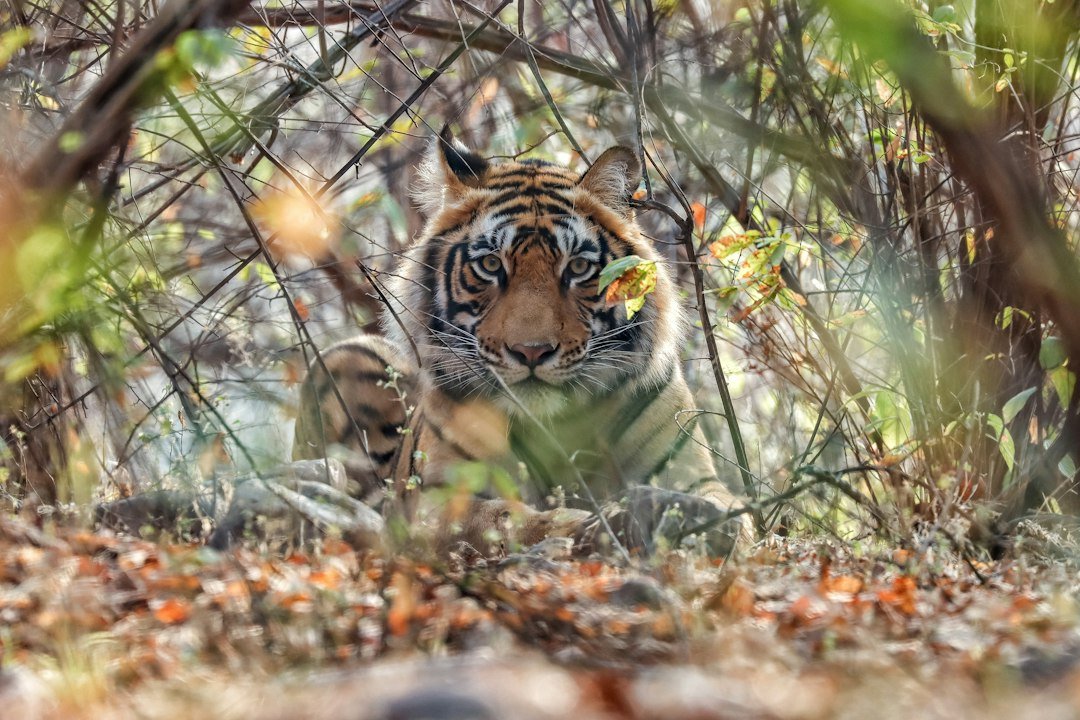
Where protection and community management hold, species have recovered. Wild tiger numbers rose from about 3,200 in 2010 to roughly 5,700 by 2025. The green sea turtle moved from Endangered to Least Concern on the IUCN Red List in October 2025, the first marine turtle species to make that shift. Researchers reported a similarly hopeful case in Indonesia in October, when the Bangka slow loris, the world’s only venomous primate and long feared extinct, was confirmed alive on Bangka Island after camera traps recorded several individuals. Southern African elephant populations are also growing in areas where local communities hold a direct role in managing wildlife day to day.
Louise McRae of the Zoological Society of London, who leads the Living Planet Index research, said the data show “evidence of wildlife populations rebounding and habitats recovering” behind the global average. The report’s release came less than two weeks before COP17 opened in Yerevan, Armenia, on 19 October. That summit hosted the first formal review of progress toward the 30-by-30 conservation target under the Kunming-Montreal Global Biodiversity Framework, a review WWF says will show government action falling well short of what is required to meet it.
WWF’s own researchers argue the report’s agriculture findings carry a practical message for policymakers in food-producing regions: protecting remaining habitat and reforming farm subsidies are not separate agendas from feeding people, but connected ones. How far that argument shapes national farm policy will likely only become clear well after this report’s findings fade from the headlines. The report’s authors have called for governments to redirect at least a portion of the $7.3trn currently flowing to nature-harming activities toward farming practices that work with, rather than against, the ecosystems food production depends on.


